
Choosing the best native perennial plants involves balancing adaptability, regional suitability, and ecological value. The Armitage’s Native Plants for North American Gardens stands out as the overall top pick for its comprehensive selection and versatility. For specialized regional needs, Native Plants of the Midwest offers an extensive guide tailored to Midwestern gardens, while Got Sun?: 200 Best Native Plants for Your Garden excels for sunny garden spots. The main tradeoffs often involve balancing plant diversity with ease of maintenance and regional relevance. Continue reading for the full breakdown of these top options, including how they compare and who each is best suited for.

Get compact home essentials delivered free with Prime
- Fast, free delivery on millions of items
- Prime Video, Amazon Music and more included
- Member-only deals all year
Key Takeaways
- The top picks excel in regional relevance, making them more likely to thrive in specific climates.
- Diversity in plant selection is a key factor, with some guides offering broader species lists than others.
- Ease of use and maintenance vary; some guides focus on beginner-friendly options while others prioritize ecological complexity.
- Price and depth of information differ—comprehensive guides tend to be more expensive but provide more value.
- Regional focus influences plant recommendations; choosing a guide tailored to your area improves success rates.
| The Midwest Native Plant Primer: 225 Plants for an Earth-Friendly Garden |  | Best Regional Guide for Midwest Native Plants | Number of Plants Covered: 225 | Region Focus: Midwest | Type: Guidebook | VIEW LATEST PRICE | See Our Full Breakdown |
| Native Plants of the Midwest: A Comprehensive Guide to the Best 500 Species for the Garden | 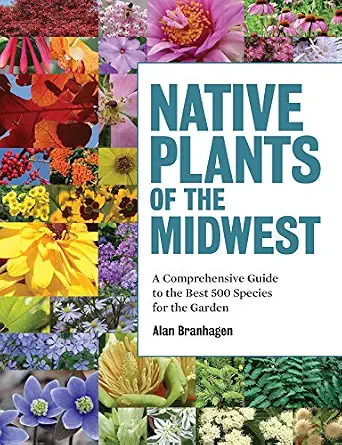 | Most Extensive Native Plant Compilation for Midwest Gardens | Number of Plants: 500 | Region Focus: Midwest | Type: Guidebook | VIEW LATEST PRICE | See Our Full Breakdown |
| Native Plants for New England Gardens |  | Region-Specific Native Plant Guide for New England | Region Focus: New England | Number of Plants Covered: Not specified | Type: Guidebook | VIEW LATEST PRICE | See Our Full Breakdown |
| Got Sun?: 200 Best Native Plants for Your Garden |  | Best for Sunny Gardens with Native Plants | Number of Plants: 200 | Focus: Sun-loving native plants | Type: Guidebook | VIEW LATEST PRICE | See Our Full Breakdown |
| Cultivating Native Plants for Pollinators: A Comprehensive Guide to Attracting Birds, Bees, and Butterflies |  | Best for Pollinator-Focused Native Plant Gardening | Coverage: All U.S. regions | Focus: Pollinators and native plants | Type: Guidebook | VIEW LATEST PRICE | See Our Full Breakdown |
| Armitage’s Native Plants for North American Gardens |  | Best Resource for Gardeners Focused on Native Plant Selection and Cultivation | Focus: Native plants of North America | Content: Cultivation guidance, ecological benefits | Format: Book | VIEW LATEST PRICE | See Our Full Breakdown |
| native perennial plant | Format | Type | Region Focus | Focus |
|---|---|---|---|---|
| The Midwest Native Plant Prime | Guidebook | Midwest | — | |
| Native Plants of the Midwest: | Guidebook | Midwest | — | |
| Native Plants for New England | Guidebook | New England | — | |
| Got Sun?: 200 Best Native Plan | Guidebook | — | Sun-loving native plants | |
| Cultivating Native Plants for | Guidebook | — | Pollinators and native plants | |
| Armitage’s Native Plants for N | Book | — | — | Native plants of North America |
More Details on Our Top Picks
The Midwest Native Plant Primer: 225 Plants for an Earth-Friendly Garden
This book stands out for its extensive coverage of 225 native plants tailored specifically to Midwest gardens, making it an essential resource for eco-conscious gardeners in that region. Unlike broader guides like Native Plants of the Midwest, it offers practical advice on plant selection and care, but its focus limits its usefulness outside the Midwest. The comprehensive nature ensures you get detailed insights without overwhelming beginners, though it doesn’t include specific plant specifications or ratings. This pick is ideal for Midwest homeowners wanting to create environmentally friendly landscapes with confidence.
Pros:- Extensive list of 225 native plants tailored to Midwest conditions
- Promotes eco-friendly and sustainable gardening practices
- Practical advice suitable for both beginners and experienced gardeners
Cons:- Lacks specific product features or scientific data
- Limited to readers focused on Midwest native plants
Best for: Midwest gardeners seeking an eco-friendly, region-specific native plant guide
Not ideal for: Gardeners outside the Midwest or those wanting a detailed scientific database of plant specifications
- Number of Plants Covered:225
- Region Focus:Midwest
- Type:Guidebook
- Suitable for Beginners:Yes
- Eco-Friendly Focus:Yes
- Format:Print
Our verdict“This book is perfect for Midwest residents aiming to support local ecosystems through native planting.”
Native Plants of the Midwest: A Comprehensive Guide to the Best 500 Species for the Garden
Compared with The Midwest Native Plant Primer, this guide expands the selection to 500 species, offering a broader resource for dedicated native plant enthusiasts. Its detailed descriptions and planting tips make it a valuable tool for sustainable landscaping, especially for those who want a deep dive into native flora. However, the lack of pricing details and customer ratings means potential buyers must rely on other sources for reviews. This guide is best suited for serious gardeners who want an exhaustive reference to Midwest native plants.
Pros:- Extremely comprehensive with 500 native plant species
- Provides detailed descriptions and practical planting tips
- Ideal for sustainable and eco-friendly landscaping projects
Cons:- No pricing or user ratings available
- Potentially overwhelming for beginners due to its size
Best for: Experienced Midwest gardeners seeking a comprehensive, detailed plant database
Not ideal for: Casual gardeners or those new to native plant gardening who prefer concise guides
- Number of Plants:500
- Region Focus:Midwest
- Type:Guidebook
- Detailed Descriptions:Yes
- Sustainable Gardening:Yes
- Format:Print
Our verdict“This guide is designed for dedicated native plant enthusiasts wanting an in-depth resource for Midwest landscaping.”
Native Plants for New England Gardens
This book excels in providing tailored plant recommendations for New England gardens, similar in regional focus to the Midwest-specific guides but for a different climate. It includes detailed planting and care instructions to help create sustainable, eco-friendly gardens, though it doesn’t offer detailed specifications or customer ratings. Its regional approach makes it less suitable for gardeners outside New England, but it’s highly valuable for local landscapers or homeowners aiming for regionally adapted native plantings.
Pros:- Region-specific plant recommendations for New England
- Includes detailed planting and care instructions
- Focuses on sustainable, eco-friendly gardening practices
Cons:- Lacks detailed product specifications
- No customer reviews or ratings available
- No pricing information provided
Best for: New England homeowners and landscapers seeking region-specific native plant advice
Not ideal for: Gardeners outside New England or those seeking a broad, national native plant resource
- Region Focus:New England
- Number of Plants Covered:Not specified
- Type:Guidebook
- Care Instructions:Detailed
- Eco-Friendly:Yes
- Format:Print
Our verdict“This guide is ideal for New England residents wanting regionally tailored native plant advice for sustainable gardens.”
Got Sun?: 200 Best Native Plants for Your Garden
This book specializes in native plants suited for sunny gardens, offering a curated selection of 200 species. While it provides useful gardening tips and profiles, it doesn’t include detailed specifications or user ratings, making it less suitable for those who want comprehensive scientific data. Compared to regional guides like Native Plants for New England Gardens, this is more focused on sun exposure, making it ideal for gardeners with bright, open spaces who want to support sustainability and pollinators. The narrower focus means it’s less versatile for shaded or diverse garden conditions.
Pros:- Curated list of 200 native plants for sunny gardens
- Provides helpful gardening tips for thriving native plants
- Focuses on sustainable landscaping and pollinator attraction
Cons:- No detailed plant specifications or scientific data
- Lacks customer reviews or ratings
- Limited to sunny garden environments
Best for: Gardeners with sunny outdoor spaces seeking native, pollinator-friendly plants
Not ideal for: Gardeners with shaded or variable light conditions who need a broader plant selection
- Number of Plants:200
- Focus:Sun-loving native plants
- Type:Guidebook
- Pollinator Focus:Yes
- Tips Included:Yes
- Format:Print
Our verdict“This book is best for sunny garden owners wanting specialized native plants that support pollinators and sustainability.”
Cultivating Native Plants for Pollinators: A Comprehensive Guide to Attracting Birds, Bees, and Butterflies
Unlike the regional guides listed above, this book emphasizes attracting pollinators across all U.S. regions, making it a versatile resource for gardeners nationwide. Its focus on sustainable practices and attracting birds, bees, and butterflies offers a broader ecological perspective. However, it lacks specific product details and user ratings, which might leave some buyers uncertain about its practical scope. This book is ideal for those who want to combine native plant gardening with wildlife support, regardless of their regional location.
Pros:- Comprehensive coverage of native plants for pollinator attraction
- Focus on sustainable practices that support local wildlife
- Suitable for gardeners across all U.S. regions
Cons:- No detailed product features or scientific data
- Lacks reviews and specific plant ratings
- Less focused on regional plant selection
Best for: Gardeners nationwide interested in attracting pollinators and supporting biodiversity
Not ideal for: Those seeking detailed plant specifications or regional-specific native plant guides
- Coverage:All U.S. regions
- Focus:Pollinators and native plants
- Type:Guidebook
- Wildlife Attraction:Yes
- Practices Promoted:Sustainable
- Format:Print
Our verdict“This guide is ideal for nationwide gardeners aiming to boost local biodiversity through native plants and pollinator support.”
Armitage’s Native Plants for North American Gardens
This book stands out for its comprehensive coverage of native plants suitable across North American gardens, making it an essential reference for those seeking to enhance biodiversity sustainably. Compared to plant-focused guides like Got Sun?: 200 Best Native Plants for Your Garden, Armitage’s guide offers in-depth cultivation advice, helping gardeners move beyond mere selection. Its detailed guidance on native species cultivation supports long-term garden health and ecological benefits, but it lacks specific edition details, which could impact its currency. This resource is ideal for serious gardeners or landscape professionals aiming to integrate native plants thoughtfully. However, casual gardeners seeking quick plant lists may find it too detailed. Pros: Deep plant knowledge, promotes sustainable practices, comprehensive regional coverage, useful for ecological gardening. Cons: No edition info, may be overwhelming for beginners, less focus on specific plant profiles.
Verdict: This book suits experienced gardeners committed to native planting and ecological gardening.
Specs:- Focus: Native plants of North America
- Content: Cultivation guidance, ecological benefits
- Format: Book
- Target audience: Gardeners, landscape professionals
- Coverage: Regional, detailed
- Edition: Not specified
Pros:- Provides in-depth guidance on native plants and cultivation methods
- Supports sustainable and biodiversity-friendly gardening
- Covers a wide range of North American regions
- Ideal for serious gardeners and landscape designers
Cons:- Lacks specific edition or publication details, affecting currency assurance
- May be too detailed for casual or beginner gardeners
- Limited focus on individual plant profiles or quick reference
Best for: Gardening professionals or dedicated enthusiasts seeking comprehensive native plant guidance and sustainable practices
Not ideal for: Beginners or casual gardeners who prefer quick plant lists without detailed cultivation advice
- Focus:Native plants of North America
- Content:Cultivation guidance, ecological benefits
- Format:Book
- Target audience:Gardeners, landscape professionals
- Coverage:Regional, detailed
- Edition:Not specified
Our verdict“This book is best for experienced gardeners aiming to deepen their knowledge of native plant cultivation and ecological gardening practices.”
How We Picked
These products were evaluated based on their comprehensiveness, regional applicability, ease of use, and ecological value. We prioritized guides that provided detailed plant descriptions, native range information, and practical planting advice. The rankings reflect a balance between breadth of content and relevance to a variety of gardening contexts, from beginner to expert. We also considered user reviews and the credibility of authors and publishers to ensure the selections offer reliable, actionable information for anyone seeking native perennial plants.| native perennial plant | Region Focus | Format | Focus |
|---|---|---|---|
| The Midwest Native Plant Prime | Midwest | — | |
| Native Plants of the Midwest: | Midwest | — | |
| Native Plants for New England | New England | — | |
| Got Sun?: 200 Best Native Plan | — | Sun-loving native plants | |
| Cultivating Native Plants for | — | Pollinators and native plants | |
| Armitage’s Native Plants for N | — | Book | Native plants of North America |
Factors to Consider When Choosing Best Native Perennial Plants
Selecting the best native perennial plants requires considering several factors beyond just plant appearance. Understanding regional climate compatibility, maintenance needs, and ecological benefits can make a significant difference in your garden’s success. Additionally, being aware of common pitfalls, such as choosing non-native lookalikes or overly demanding species, helps in making smarter choices. Here are key considerations to guide your selection process.Regional Suitability and Climate Compatibility
Choosing plants that are native to your specific region ensures better survival rates and less maintenance. Native plants are adapted to local soil, rainfall, and temperature conditions, reducing the need for extra watering, fertilizing, or pest control. Be cautious of guides that lump broad regions together; always verify whether the species recommended are truly native to your local area to maximize ecological benefits and plant longevity.Plant Diversity and Ecological Value
A good guide should promote a variety of species that support local pollinators, birds, and other wildlife. Diversity not only enhances the visual appeal but also stabilizes your garden ecosystem. Decide whether you want a focus on flowering plants, foliage, or functional groundcovers, and choose guides that match your ecological and aesthetic goals.Ease of Maintenance and Growth Habits
Some native plants are low-maintenance and drought-tolerant, making them ideal for busy gardeners or dry climates. Others may require more care or specific soil conditions. Understanding growth habits—whether a plant spreads aggressively or stays contained—helps prevent future landscaping headaches and ensures your garden remains manageable.Plant Availability and Purchase Options
Verify whether the recommended plants are readily available through local nurseries, seed catalogs, or online sources. Guides that include detailed supply information save time and help you find quality specimens. Keep in mind that rare or specialized species might come at a higher price or require ordering from specialty growers.Long-term Sustainability and Invasiveness Risks
While native plants are generally safe choices, some species can become invasive outside their native ranges. Always check regional invasive species lists and avoid plants with known aggressive tendencies. Choosing well-behaved native plants supports long-term sustainability and protects local ecosystems from unintended harm.Frequently Asked Questions
How do I know if a native perennial is suitable for my specific soil type?
To determine if a native perennial will thrive in your soil, start by testing your soil’s pH, drainage, and nutrient levels. Many guides include information about preferred soil conditions for each species, which can help you match plants to your garden’s characteristics. If your soil is poor or poorly draining, look for hardy species known for tolerating such conditions. Incorporating soil amendments or improving drainage can broaden your options, but selecting plants adapted to your existing soil offers the best long-term success.
Are native plants more difficult to establish than non-native species?
Generally, native plants are easier to establish because they are adapted to local environmental conditions. They tend to require less watering, fertilizing, and pest control, especially once established. However, some native species may have specific growth requirements or longer establishment periods, so understanding each plant’s needs is key. Proper site preparation, planting at the right time, and patience typically lead to successful establishment with native plants, making them a smart choice for sustainable gardening.
Can I use native perennial plants in a landscaped garden with other non-native plants?
Yes, native perennials can be integrated into mixed gardens with non-native plants, often providing a naturalistic aesthetic that benefits local wildlife. However, it’s important to ensure that non-native species do not outcompete native ones or introduce invasive tendencies. Combining native plants with thoughtfully selected non-natives can create a balanced, ecologically beneficial landscape, but being aware of potential invasive risks helps maintain a healthy garden environment.
How do I choose native perennial plants for a shady versus sunny location?
Matching native plants to your garden’s light conditions is essential for successful growth. Guides often specify whether a species prefers full sun, partial shade, or full shade. For sunny spots, select drought-tolerant, sun-loving natives that can handle direct sunlight without stress. In shaded areas, look for native plants that naturally thrive in low-light conditions. Understanding these preferences helps avoid frustration and ensures a vibrant, healthy garden.
Are native perennial plants suitable for container gardening?
Many native perennials can be successfully grown in containers, provided they have adequate drainage and the right soil mix. Container gardening allows for greater control over soil conditions and can be an excellent option for small spaces or urban gardens. Choose species with compact growth habits if space is limited, and remember that container plants typically need more frequent watering and fertilizing. This approach offers a flexible way to enjoy native plants even in non-traditional garden settings.
Conclusion
For most gardeners seeking a reliable, versatile choice, Armitage’s Native Plants for North American Gardens offers comprehensive coverage and flexibility, making it the best overall pick. Those on a budget or looking for a focused regional guide will appreciate Native Plants of the Midwest for its tailored recommendations. Beginners will find Got Sun?: 200 Best Native Plants for Your Garden approachable and easy to navigate. For gardeners interested in attracting pollinators and supporting local wildlife, Cultivating Native Plants for Pollinators provides targeted insights. Ultimately, selecting the right guide depends on your regional focus, experience level, and specific garden goals, but prioritizing native species ensures a thriving, ecologically beneficial landscape.
As an affiliate, we earn on qualifying purchases.Halloween Picks
halloween