
Did you know that buildings account for nearly 40% of global energy consumption? Incorporating Building-Integrated Photovoltaics (BIPV) could markedly reduce that figure while blending seamlessly into architectural designs. But is the higher initial cost justified by long-term savings and aesthetic benefits? Exploring how BIPV compares to traditional solar panels might reveal whether it’s a worthwhile investment for your project.

Get compact home essentials delivered free — and shop member deals
- Fast, free delivery on millions of items
- Access to Prime Big Deal Days deals on October 6–7
- Prime Video, Amazon Music and more included
Key Takeaways
- BIPV offers aesthetic integration, enhancing building design while generating renewable energy, which can add value to a property.
- Although initial costs are higher, incentives and rebates can improve cost-effectiveness over the long term.
- Technical limitations may reduce efficiency compared to traditional solar panels, impacting overall energy savings.
- Combining building materials with energy systems can lower installation costs and streamline construction processes.
- The long-term savings on energy bills and increased building appeal often justify the premium investment in BIPV.

Have you ever considered turning a building’s surfaces into power generators? Building-integrated photovoltaics, or BIPV, make this possible by seamlessly incorporating solar panels into the very structure of your building—be it the roof, windows, or facades. While the idea sounds futuristic, many wonder if the extra investment is worth it. To determine that, you need to perform a thorough cost benefit analysis. This involves weighing the upfront costs of BIPV systems against long-term savings on energy bills, incentives, and potential revenue from excess power. Although BIPV can be more expensive initially than traditional solar setups, the integration may reduce installation costs since it combines building materials and energy production into one process. Plus, these systems often qualify for government incentives, tax credits, and rebates, which can substantially offset the higher price tag. Understanding bank SWIFT/BIC codes can also be useful when managing international financing or equipment procurement related to BIPV projects. Ultimately, your decision hinges on whether the energy savings, financial incentives, and environmental benefits justify the premium.
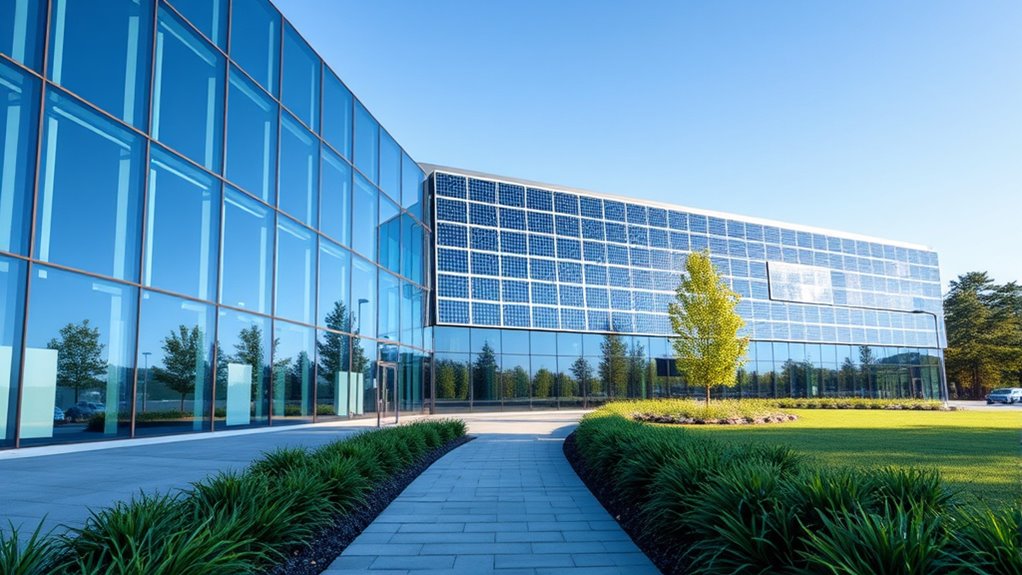
Beyond the financial aspect, aesthetic integration plays a vital role in the appeal of BIPV. Unlike conventional solar panels, which can sometimes look bulky or disrupt a building’s design, BIPV systems are designed to blend seamlessly into the architecture. You get sleek, modern surfaces that serve dual purposes—both as building elements and energy generators. This harmony can elevate a structure’s visual appeal, making it more attractive to tenants, buyers, or visitors. If you’re aiming for sustainable design that doesn’t compromise style, BIPV offers a compelling solution. It allows architects and developers to create unified, visually appealing facades that showcase innovation. The integration also means fewer external fixtures, reducing visual clutter and maintaining the building’s aesthetic integrity.
However, it’s essential to consider the technical limitations alongside these benefits. BIPV systems might have lower efficiency compared to traditional panels, partly because they’re designed to blend in rather than maximize surface exposure to sunlight. This could mean you need more surface area or higher-quality materials to generate the same amount of power, affecting overall cost-effectiveness. Still, for many, the visual harmony and the potential to turn a building into a statement of sustainability outweigh these challenges. When you combine a careful cost benefit analysis with thoughtful aesthetic integration, you’re better equipped to decide whether investing in BIPV aligns with your financial goals and design vision. In the end, BIPV isn’t just about energy; it’s about creating buildings that are both functional and visually compelling, truly integrating sustainability into our daily environments.
Conclusion
While BIPV costs more upfront, it transforms your building into a sleek, energy-generating masterpiece, blending form and function. Yes, the initial investment is higher, but the long-term savings and aesthetic appeal often outweigh the price. Think of it as choosing a timeless piece of architecture over a temporary fix—an investment in innovation and sustainability. In the end, the true value lies in creating a building that’s not just seen, but experienced.
Fall Picks
fall essentials
As an affiliate, we earn on qualifying purchases.