
While new materials often steal the spotlight, there’s something compelling about transforming discarded construction waste into striking feature pieces. Instead of letting these leftovers go to waste, you can give them a second life that adds character and sustainability to your space. But how do you start turning broken concrete, weathered wood, or scrap metal into designs that truly stand out? The key lies in understanding the potential of each material and thinking creatively about their new purpose.
Key Takeaways
- Identify suitable waste materials like reclaimed wood, metal scraps, or concrete for creative reuse.
- Plan and design feature pieces that highlight the material’s natural aesthetic or weathered charm.
- Prepare materials through cleaning, sanding, or cutting to ensure safety and optimal appearance.
- Use techniques such as welding, painting, or assembling to craft functional or decorative features.
- Integrate upcycled pieces thoughtfully into spaces as focal points to emphasize sustainability and design.
As construction projects generate vast amounts of waste, upcycling offers a practical way to transform discarded materials into valuable resources. Instead of letting debris pile up in landfills, you can repurpose materials to create eye-catching feature pieces that enhance your space. This approach aligns perfectly with sustainable architecture principles, emphasizing eco friendly materials and responsible resource management. By selecting waste materials with potential, you not only reduce environmental impact but also add unique character to your design.
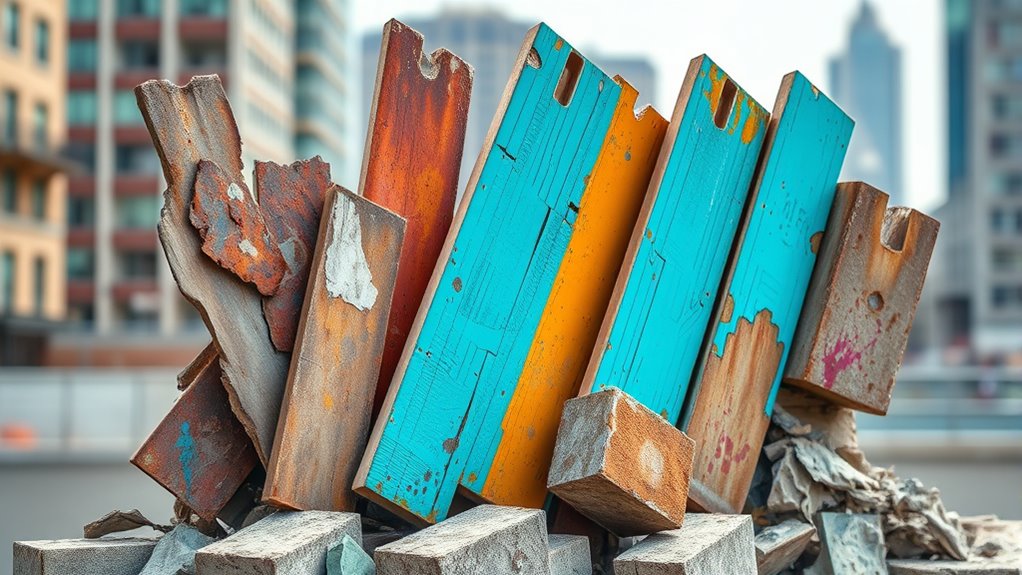
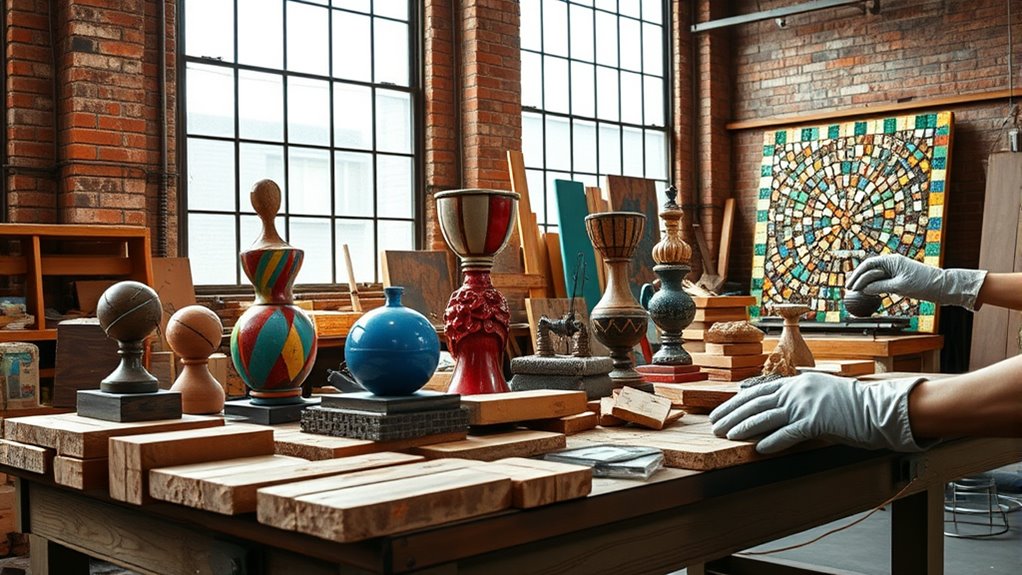
Start by carefully evaluating the materials available on your site. Cracked concrete slabs, leftover wood, metal scraps, or even old tiles can become the foundation for stunning features. For example, weathered wood planks can be sanded, painted, or combined into a custom wall art installation, bringing warmth and texture. Metal pieces can be welded into sculptures or functional items like tables or lighting fixtures. The key is to envision their potential beyond their original purpose, emphasizing creativity and practicality. This process supports sustainable architecture by minimizing waste and utilizing eco friendly materials that are often overlooked.
Evaluate site materials like cracked concrete, leftover wood, and metal scraps for creative, eco-friendly feature pieces.
When upcycling construction waste into feature pieces, think about the environment and your aesthetic goals. Choosing eco friendly materials is vital, as it guarantees your project remains aligned with sustainable practices. Reclaimed wood from demolition sites, for instance, has a smaller carbon footprint compared to new timber and adds a rustic, authentic charm. Similarly, recycled metal or glass can be shaped into modern, durable art pieces that serve as focal points. Incorporating these materials into your design not only reduces the demand for virgin resources but also showcases your commitment to eco-conscious building practices.
To maximize the impact of your upcycled feature pieces, pay attention to their integration within your space. Consider how these elements can complement existing architecture or serve as conversation starters. For example, a large sculpture made from salvaged materials can become the centerpiece of a lobby or courtyard, generating visual interest and emphasizing your dedication to sustainability. When you combine creativity with technical skill, you turn waste into a statement of innovation and environmental responsibility. Your efforts demonstrate that sustainable architecture isn’t just about the building itself but also about the thoughtful reuse of materials to craft meaningful, eco friendly features.
Ultimately, upcycling construction waste into feature pieces requires vision, effort, and a commitment to sustainability. By repurposing discarded materials, you contribute to reducing construction waste while creating distinctive, eco friendly elements that elevate your project. It’s a practical, stylish way to showcase your dedication to eco-conscious building and design, proving that waste can indeed become wonder. Additionally, understanding the sound vibrations involved in material processing can help optimize the durability and aesthetic quality of your upcycled features.

Wood Pallet Wonders: 20 Stunning DIY Storage & Decor Designs Made from Reclaimed Pallets
As an affiliate, we earn on qualifying purchases.
As an affiliate, we earn on qualifying purchases.
Conclusion
Think of upcycling construction waste like turning a rough diamond into a sparkling gem—what was once discarded becomes a striking centerpiece. I once saw a weathered wooden pallet transformed into a stunning wall art piece that completely changed a room’s vibe. Remember, every scrap has potential—by creatively repurposing materials, you’re not only reducing waste but also crafting a space full of character and story. Embrace the challenge; your eco-friendly masterpiece awaits.
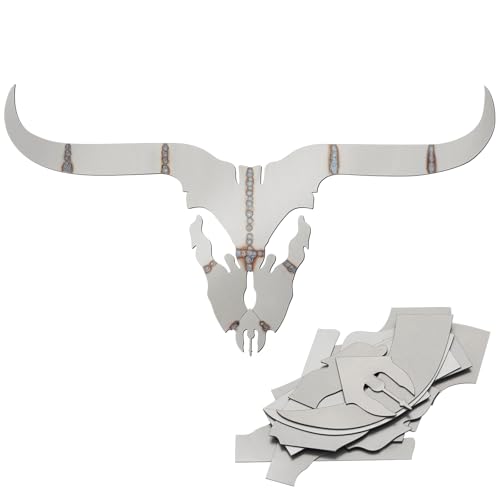
Zonon Welding Practice Kit for Beginners – Metal Art Project, 201 Carbon Steel Plates, Ideal for TIG, MIG, ARC, and Weld Training, DIY Gift for Welders(Bull Head)
Complete Beginner-Friendly Welding Project:Everything You Need to Start; This all-in-one kit includes pre-cut 201 carbon steel plates designed…
As an affiliate, we earn on qualifying purchases.
As an affiliate, we earn on qualifying purchases.
concrete recycling and upcycling supplies
As an affiliate, we earn on qualifying purchases.
As an affiliate, we earn on qualifying purchases.

Honoson 71 Pcs Construction Bulletin Board Decorations Road to Success Bulletin Boards Construction Inspirational Classroom Decors for Library Classroom Positive Chalkboard Wall Decor(Road)
Package Include: the construction bulletin board sets contain 27 pcs paper cutouts, 26 pcs cutouts of letters and…
As an affiliate, we earn on qualifying purchases.
As an affiliate, we earn on qualifying purchases.