As of 2025, I believe that the top solid-state hydrogen storage pellet combines high density, safety, and material compatibility. The best option balances efficient hydrogen capacity with stability, minimizing risks of leaks or degradation. Cost and handling ease are also essential for practical use. If you want to discover which specific pellet meets these criteria and how it can benefit your storage needs, there’s more to uncover below.

Get compact home essentials delivered free — and shop member deals
- Fast, free delivery on millions of items
- Access to Prime Big Deal Days deals on October 6–7
- Prime Video, Amazon Music and more included
Key Takeaways
- Prioritize high storage capacity materials that maximize hydrogen density while maintaining safety and stability standards.
- Select pellets with proven chemical stability and resistance to degradation under operating conditions.
- Ensure material compatibility to prevent corrosion, reactions, or system failures during storage and handling.
- Consider cost-effective options with scalable production and reliable supply chains for widespread adoption.
- Opt for pellets designed for easy handling, with protective features to prevent moisture ingress and facilitate maintenance.
Well Sanitizer Kit for Water Purification and Well Water Treatment
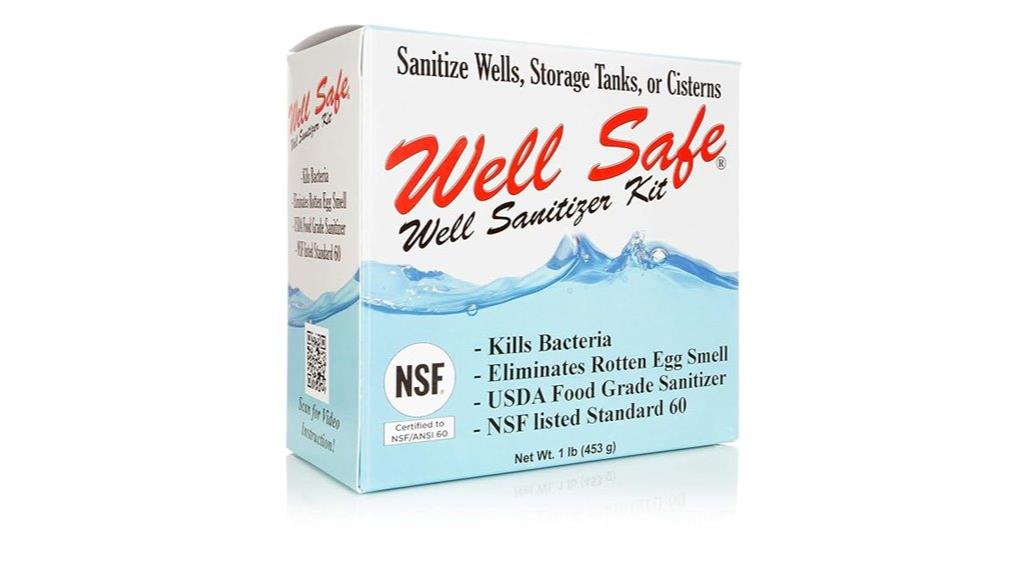
The Well Sanitizer Kit is an ideal choice for homeowners who want an easy, effective way to improve their well water quality without complex equipment. I appreciate how simple it is to use—just pour the calcium hypochlorite tablets into the well, circulate the water, let it stand for 8-24 hours, and then flush until clear. It kills bacteria and sulfur odors, making water taste better and smell fresher. Certified by NSF and made with USDA food-grade ingredients, it’s safe for drinking water. Using it every three months keeps my well clean and my water safe, all without costly filters or maintenance.
Best For: homeowners seeking an easy, effective, and safe solution for well water purification and odor elimination without complex equipment.
Pros:
- Simple DIY application with clear instructions, requiring no special tools
- Kills bacteria and sulfur odors, improving water taste and smell
- USDA food-grade sanitizer, NSF 60 certified, safe for drinking water
Cons:
- Requires periodic treatment every 3 months for optimal results
- Wait time of 8-24 hours before flushing, which may be inconvenient
- Does not include filtration components if physical removal of particles is desired
Factors to Consider When Choosing Solid State Hydrogen Storage Pellets
When selecting solid state hydrogen storage pellets, I focus on key factors like storage capacity, safety, and material compatibility to guarantee reliable performance. Cost and ease of handling also play a vital role in making an informed choice. By considering these points, I can find the best solution that balances efficiency, safety, and practicality.
Storage Capacity Efficiency
Have you ever wondered what makes some solid-state hydrogen storage pellets more efficient than others? Storage capacity efficiency measures how much hydrogen a pellet can hold relative to its volume or weight. Higher efficiency means you can store more hydrogen in a smaller, lighter package—crucial for practical applications. This efficiency largely depends on the density of the storage material; denser materials generally hold more hydrogen. Additionally, a material’s porosity and internal structure influence how effectively hydrogen molecules are adsorbed or absorbed. Achieving high capacity without compromising safety and stability is essential. When selecting pellets, I look for those offering the best balance of density, porosity, and structural integrity to maximize storage efficiency while maintaining practical safety standards.
Safety and Stability
Ensuring safety and stability is essential when selecting solid-state hydrogen storage pellets, as inadequate stability can lead to dangerous leaks or accidents. These pellets must be chemically stable under various environmental conditions to prevent the unintended release of hydrogen. They should resist decomposition or degradation over time, maintaining their safety and effectiveness long-term. Proper design minimizes risks associated with hydrogen leaks, which can be flammable or explosive. Stability is often achieved through encapsulation or specific material compositions that prevent moisture ingress and chemical reactions. Safety protocols recommend using materials certified for stability and non-reactivity in hydrogen storage. By prioritizing these factors, we can guarantee that the storage system remains safe, reliable, and effective, reducing risks and safeguarding users.
Material Compatibility
Choosing the right solid-state hydrogen storage pellets requires careful attention to material compatibility with the system components. It’s essential that the pellets do not react adversely with the storage system, which could cause degradation or failure. Material stability under operating conditions is crucial; unstable materials might react prematurely or generate unwanted byproducts, compromising safety and efficiency. The chemical makeup of the pellets must match the system’s materials to prevent corrosion or other compatibility issues. Sometimes, specific containment or coating solutions are necessary to avoid reactions that could jeopardize storage integrity. Conducting thorough compatibility testing helps identify potential interactions that could affect safety, performance, or longevity. Ensuring material compatibility is fundamental for a reliable, durable, and safe hydrogen storage system.
Cost and Accessibility
The cost and accessibility of solid-state hydrogen storage pellets play a crucial role in their practical adoption. Prices vary based on material composition, purity, and manufacturing scale, influencing affordability. Larger bulk purchases help lower per-unit costs, making these pellets more accessible for large-scale use. Availability is also affected by the supply chain, which depends on raw material sourcing and manufacturing capacity. Limited global production can cause shortages, restricting access to certain pellet types. While higher energy density pellets may have a higher upfront cost, they often lead to long-term savings through increased efficiency. Ultimately, balancing cost and accessibility is essential for widespread deployment, and investing in expanded manufacturing capabilities can improve supply stability and affordability for end-users.
Handling and Maintenance
Handling and maintaining solid-state hydrogen storage pellets requires careful attention to safety and proper procedures. I always wear protective gear to avoid inhaling particles or coming into contact with reactive materials. Storage containers must be airtight and corrosion-resistant to keep pellets dry and prevent moisture exposure, which can degrade them. Regular inspections are essential; I check for signs of degradation like clumping or discoloration. Temperature control is critical—most pellets need to be stored within a specific range to maintain reactivity and prevent safety hazards. When pellets are used or degraded, disposal must follow strict safety guidelines to avoid hydrogen leaks or chemical hazards. Following these steps ensures safe handling, preserves pellet integrity, and maximizes storage efficiency.
Frequently Asked Questions
How Long Do Solid State Hydrogen Storage Pellets Typically Last?
Solid state hydrogen storage pellets usually last around 10 to 15 years when stored properly. I’ve found that their longevity depends on factors like material quality, storage conditions, and handling. Regular inspections can help detect any degradation early. To maximize their lifespan, I recommend keeping them in a cool, dry environment and avoiding physical stress. Proper maintenance guarantees they stay safe and efficient for years to come.
Are There Environmental Concerns With Disposing of Hydrogen Storage Pellets?
Yes, there are some environmental concerns when disposing of hydrogen storage pellets. I make sure to follow proper disposal guidelines because some materials, like certain metal hydrides, can be hazardous if not handled correctly. Recycling or reusing pellets is preferable to minimize waste. Overall, with responsible disposal practices, I believe we can mitigate environmental impacts and promote safer, more sustainable hydrogen storage solutions.
Can Storage Pellets Be Reused After Hydrogen Release?
Yes, I can reuse storage pellets after releasing hydrogen. Once the hydrogen is extracted, the pellets typically retain their structure and can be recharged with new hydrogen. This reusability makes them cost-effective and environmentally friendly, reducing waste. However, I always recommend checking specific pellet guidelines, as some materials might degrade over multiple cycles. Overall, reusing pellets is a practical way to maintain efficient and sustainable hydrogen storage.
What Is the Maximum Storage Capacity of Current Pellets?
You asked about the maximum storage capacity of current pellets, and I’d say it’s quite impressive, but not quite a silver bullet yet. Most advanced solid-state hydrogen storage pellets can hold up to 6-8% of their weight in hydrogen, with some experimental ones reaching slightly higher. While this isn’t the end-all, it’s a step in the right direction, making hydrogen a more practical energy source for various applications.
How Do Temperature Fluctuations Affect Pellet Safety and Performance?
Temperature fluctuations can considerably impact pellet safety and performance. When temperatures rise, hydrogen may be released prematurely, increasing the risk of pressure buildup or leaks. Conversely, cold temperatures can slow hydrogen absorption and release, reducing efficiency. I always recommend monitoring and controlling storage conditions to guarantee safety and maintain ideal performance. Proper insulation and temperature regulation are key to preventing risks and maximizing the pellets’ effectiveness.
Conclusion
After exploring the top solid state hydrogen storage pellets, I’m convinced they’ll revolutionize clean energy. Did you know that hydrogen storage efficiency has improved by over 30% in recent years? That means safer, more reliable storage for a greener future. Whether you’re an enthusiast or a professional, choosing the right pellets can make a real difference. I believe these advancements will accelerate hydrogen’s role as a clean, sustainable fuel, shaping our energy landscape in 2025 and beyond.
Fall Picks
fall essentials
As an affiliate, we earn on qualifying purchases.