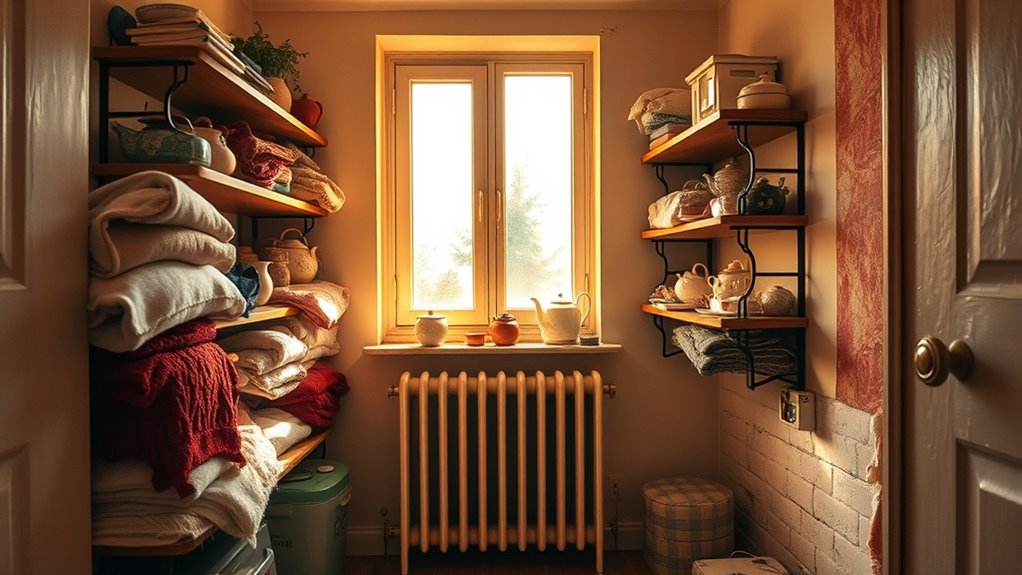

In tiny spaces, you often face quick temperature swings because small areas heat up fast but also lose heat just as quickly, making it hard to stay comfortable. Poor insulation and gaps around doors or windows let warm air escape, forcing your heating system to work harder. Managing ventilation without losing heat is also tricky. If you want practical tips to overcome these common challenges and improve your space’s warmth, keep exploring these solutions.
Key Takeaways
- Small areas heat quickly, leading to rapid temperature fluctuations and difficulty maintaining consistent comfort.
- Poor insulation causes significant heat loss through walls, floors, and ceilings, increasing heating system workload.
- Gaps around doors and windows allow warm air to escape, reducing heating efficiency.
- Insufficient sealing and insulation improvements result in higher energy costs and inconsistent warmth.
- Improper ventilation management can cause moisture buildup and heat loss, affecting overall thermal comfort.
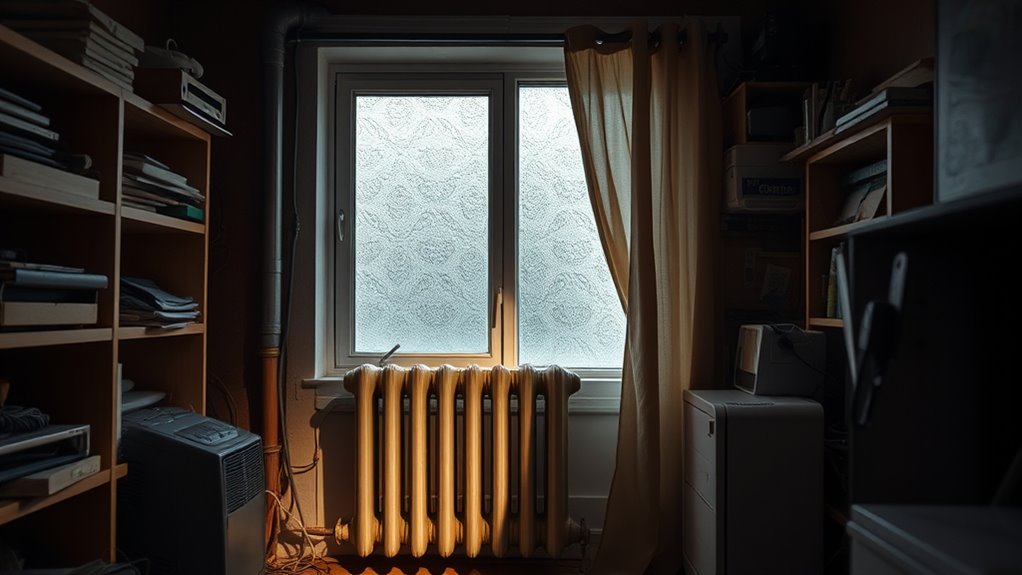
Heating tiny spaces can be surprisingly challenging because small areas heat up quickly but also lose heat just as fast. This rapid fluctuation makes maintaining a comfortable temperature tricky, especially if you overlook common issues like insulation and ventilation. Poor insulation is often the first culprit. When your space isn’t properly insulated, heat escapes through walls, floors, or ceilings, forcing your heating system to work overtime. You might notice that despite running your heater frequently, the room stays cold or cools down rapidly once turned off. Gaps around doors, windows, or poorly sealed areas can cause significant heat loss, making it difficult to sustain warmth in a small space. Addressing insulation issues isn’t always just about adding more insulation; it involves sealing leaks and ensuring that existing insulation is intact and effective. Regularly inspecting these areas can save you energy and money by preventing unnecessary heat loss. Additionally, proper ventilation management is essential to balance airflow without losing valuable warm air.
Top picks for "common heat challeng"
Open Amazon search results for this keyword.
As an affiliate, we earn on qualifying purchases.
Frequently Asked Questions
How Do I Prevent Heat Loss in Tiny Spaces?
To prevent heat loss in tiny spaces, you should focus on effective insulation techniques like sealing gaps and adding insulation panels. Use window coverings such as heavy curtains or thermal blinds to retain warmth and block cold drafts. Additionally, verify doors and vents are well-sealed. Keeping heat sources close and insulating pipes can also help maintain a cozy temperature, making your small space much more energy-efficient and comfortable.
What Are the Most Energy-Efficient Heating Options for Small Areas?
You should choose energy-efficient heating options like space heaters with adjustable thermostat settings and focus on insulation techniques to preserve heat. Opt for models with smart thermostats, so you can easily regulate temperatures and avoid wastage. Additionally, sealing gaps and adding insulation helps keep warmth in, making your heating more efficient. Combining these strategies ensures your small space stays cozy without excessive energy consumption.
How Can I Improve Airflow in a Tiny Room?
Think of airflow like a gentle breeze through a small window; you can improve it by optimizing ventilation and furniture placement. Open windows or add vents to increase fresh air circulation. Rearrange furniture to prevent blocking vents or airflow paths, allowing heat to distribute evenly. Keep curtains and large pieces away from vents to avoid obstruction. These simple steps create a more breathable space, making your tiny room feel warmer and more comfortable.
Are Portable Heaters Safe for Small Spaces?
Yes, portable heaters can be safe for small spaces if you follow safety considerations. Always choose a heater with automatic shut-off and tip-over protection, and place it on a flat, stable surface away from curtains or furniture. Proper heater placement guarantees safety and efficiency, so avoid blocking vents or placing it near water sources. Regularly monitor the heater and keep combustible materials at a safe distance for peace of mind.
What Maintenance Is Needed for Space Heaters in Tiny Areas?
Think of your space heater as a trusted ally—regular maintenance keeps it safe and efficient. You should clean filters and vents weekly to prevent dust buildup, check for any signs of wear, and guarantee heater safety. Calibrate the thermostat periodically to maintain accurate temperature control. By doing so, you make sure your heater functions at its best, keeps you cozy, and minimizes safety risks. Proper upkeep is key to lasting comfort and safety.
Conclusion
Don’t let tiny space heating challenges discourage you. With the right solutions—like compact heaters or insulation—you can keep your small space cozy without breaking the bank. It’s easy to think that limited room means limited comfort, but that’s not true. By choosing efficient options and smart adjustments, you’ll enjoy a warm, comfortable environment all year round. Stay proactive, and your tiny space will feel just right, no matter the season.