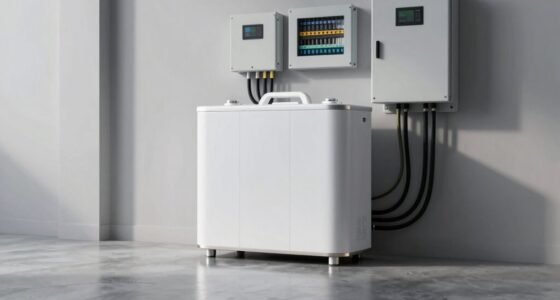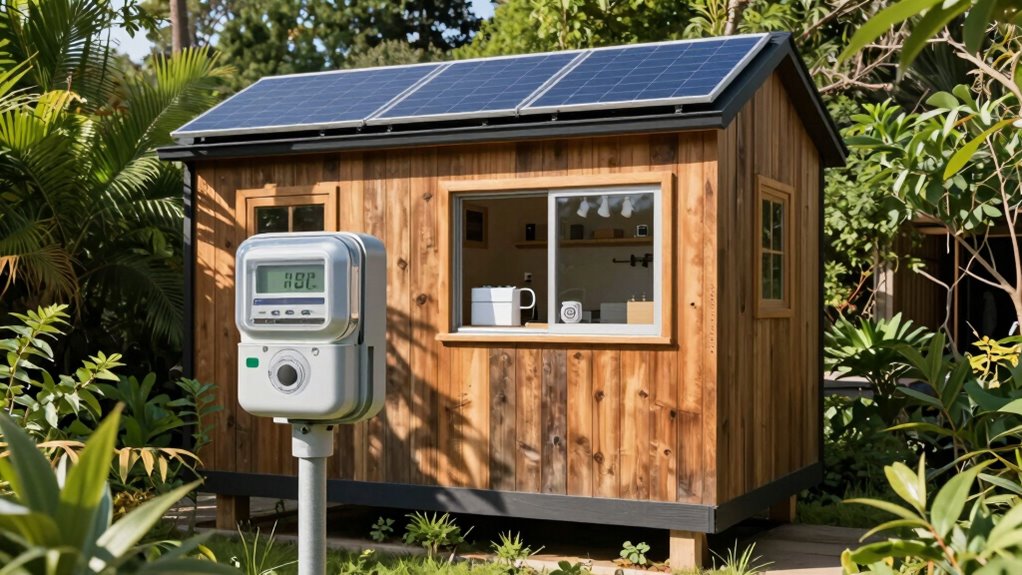

Downsizing to a tiny home usually cuts your utility costs considerably because of its smaller size and better energy efficiency. You’ll use less energy for heating, cooling, and powering appliances, which means lower bills. Features like compact appliances, LED lighting, and good insulation help optimize savings. Renewable energy options like solar panels are more affordable and practical for tiny homes, further reducing costs. Keep exploring to discover more ways tiny living can make your utility bills even more manageable.
Prime for Young Adults — start your free trial
Fast free delivery, streaming and member deals for eligible 18–24 year olds.
As an affiliate, we earn on qualifying purchases.
Key Takeaways
- Utility costs typically decrease significantly due to reduced energy needs for heating, cooling, and powering appliances.
- Smaller, energy-efficient design features lower overall consumption and associated costs.
- Incorporating renewable energy like solar panels further reduces utility expenses over time.
- Cost savings are enhanced by using compact, energy-efficient appliances and smart utility management.
- Overall, downsizing leads to more predictable and manageable utility bills, increasing financial savings.

Have you ever wondered how downsizing your home affects your utility bills? Moving into a tiny home can considerably change your monthly expenses, especially when it comes to energy costs. Since smaller spaces require less energy to heat, cool, and power, you’ll likely notice a decrease in your utility bills right away. This shift is largely due to improved energy efficiency, which means you’re using fewer resources to maintain a comfortable living environment. With a tiny home, you can focus on optimizing your energy use, leading to substantial cost savings over time.
When your living space shrinks, the amount of energy needed to run your appliances, lights, and climate control systems drops accordingly. You’ll find yourself using less electricity and gas, which directly impacts your monthly bills. Because tiny homes are designed with efficiency in mind, many come equipped with energy-saving features like compact appliances, LED lighting, and better insulation. These features help retain heat in the winter and keep your home cool during the summer, further reducing your energy consumption. As a result, your utility costs become more predictable and manageable, freeing up funds for other priorities.
Another factor that contributes to lower utility costs is the ability to incorporate renewable energy solutions more easily in a tiny home. Solar panels, for example, can be installed on a small roof, generating enough power for your needs without the hefty investment that larger systems require. Since tiny homes have less space to heat and cool, the size and cost of these renewable systems are also smaller, making them more affordable and practical for your lifestyle. With energy efficiency at the forefront, you not only cut expenses but also reduce your carbon footprint, aligning your living situation with eco-friendly values. Additionally, understanding energy efficiency can help you make smarter choices about your utility usage, maximizing savings in your tiny home. Moreover, utilizing vetted energy-efficient appliances can further enhance your savings and environmental impact. Incorporating energy-efficient design principles can also significantly boost your home’s overall efficiency and sustainability.
compact energy-efficient appliances for tiny homes
As an affiliate, we earn on qualifying purchases.
As an affiliate, we earn on qualifying purchases.
Frequently Asked Questions
Do Utility Costs Vary by Tiny Home Location?
Yes, your utility costs can vary by tiny home location. Factors like tiny home zoning regulations impact what utilities you can access and how much they cost. Additionally, utility subscription plans differ depending on the area, affecting your monthly bills. You should research local zoning laws and available utility plans to estimate your costs accurately and choose the best options for your tiny home’s location.
How Do Seasonal Changes Affect Tiny Home Utility Bills?
Think of your tiny home as a delicate seed, vulnerable to seasonal weather shifts. During colder months, you’ll notice increased utility bills, making insulation efficiency vital. Effective heating strategies, like using space heaters or optimizing insulation, help keep costs manageable. Conversely, in warmer seasons, cooling becomes the focus. By adjusting your approach seasonally, you protect your tiny home’s energy balance, ensuring comfort without draining your wallet.
Are There Specific Utility Providers for Tiny Homes?
There aren’t specific utility providers dedicated solely to tiny homes, but your choices depend on your location and needs. You can use standard utility companies for electricity, water, and sewage, often offering flexible plans suited to tiny home living. If you want luxury amenities, look for providers that offer high-end services, and make sure your utility billing reflects your smaller space, helping you save money while enjoying premium features.
Can Solar Panels Eliminate Utility Costs Entirely?
Yes, solar panels can eliminate utility costs entirely if paired with renewable incentives and sufficient energy storage. By leveraging government rebates and tax credits, you can reduce installation costs. Energy storage, like batteries, guarantees you have power during cloudy days or at night. This setup minimizes or even eliminates your reliance on traditional utility providers, making your tiny home highly energy-efficient and cost-effective in the long run.
How Does Water Usage Impact Overall Utility Expenses?
Water usage can dramatically slash your utility bills—think of it as shrinking your expenses to the size of a pebble! By practicing water conservation and upgrading to plumbing efficiency, you’ll use less water, which cuts costs considerably. Small habits like fixing leaks and installing low-flow fixtures make a big difference, helping you save money while protecting your resources. Every drop saved adds up to a lighter, more affordable lifestyle.
Conclusion
So, as you step into your tiny home, think of it as planting a seed in a smaller patch of earth. Your utility bills shrink like a leaf in autumn, making room for more freedom and less worry. Downsizing isn’t just about less space—it’s about creating a brighter, more efficient life. Embrace the change, and watch your costs melt away like snow under the sun, leaving you with more to enjoy and less to fret over.
NFL season / tailgating Picks
team gear
As an affiliate, we earn on qualifying purchases.