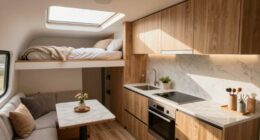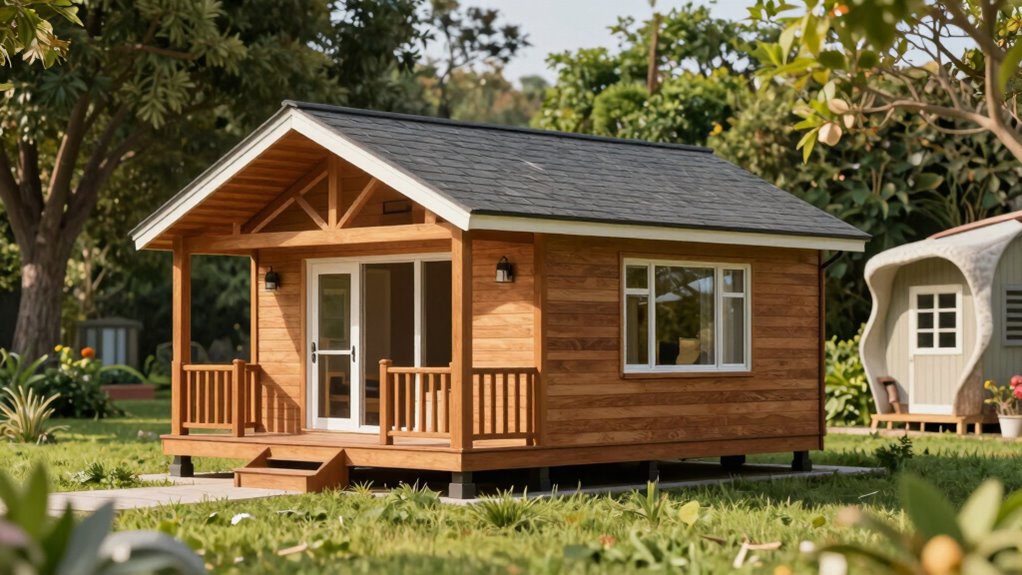
Park models are designed as mobile homes for seasonal or recreational use, typically placed in RV parks or campgrounds, and follow standardized safety and durability standards. Tiny houses, on the other hand, are standalone structures that can be placed on wheels or foundations, offering more flexibility and customization. While park models often come with pre-installed amenities for quick setup, tiny houses prioritize minimalist design. To discover how these differences impact usage and regulations, keep exploring the details.
Key Takeaways
- Park models are designed as mobile homes for seasonal use, often placed in RV parks, while tiny houses are standalone structures, either on wheels or foundations.
- Park models include full amenities like kitchens and bathrooms, emphasizing comfort, whereas tiny houses focus on minimalist, efficient space usage.
- They follow standardized safety and durability standards for mobile homes, affecting regulatory compliance and placement options.
- Mobility features of park models allow easy relocation, while tiny houses’ mobility depends on whether they are on wheels or fixed to a foundation.
- Placement of park models is typically within designated RV parks or campgrounds, governed by specific zoning and building regulations.
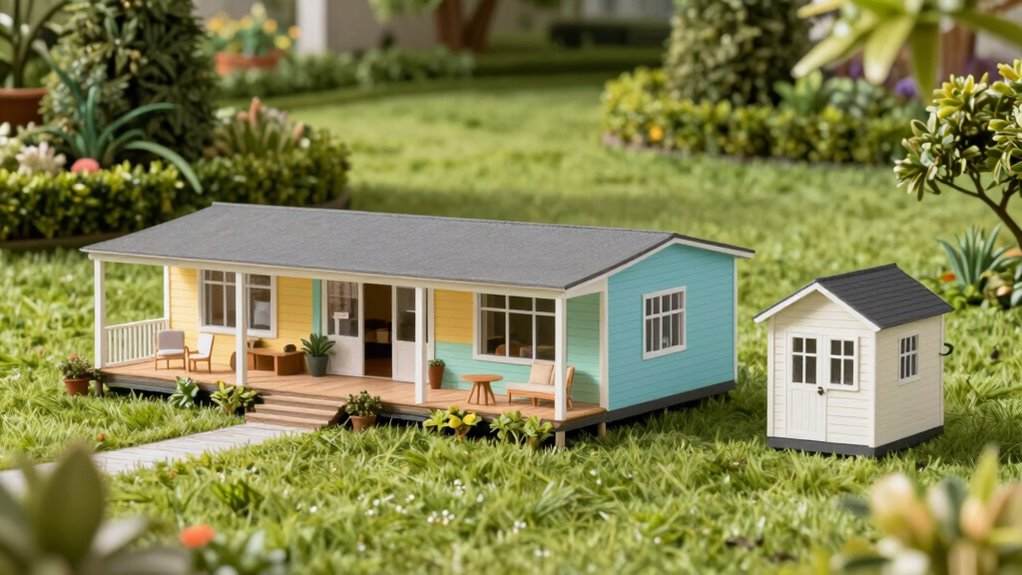
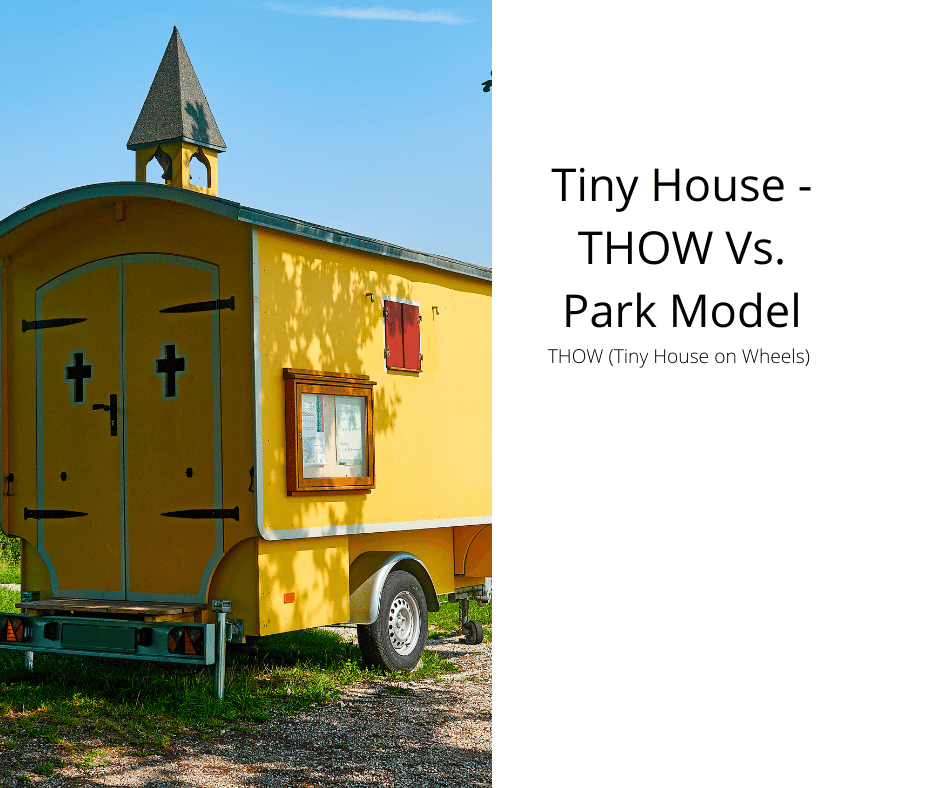
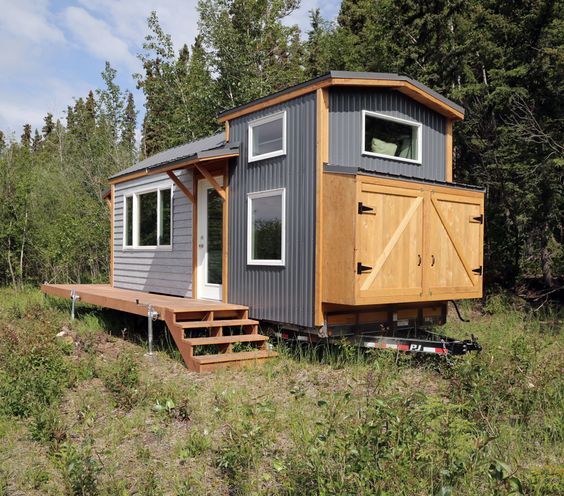
When deciding between park models and tiny houses, understanding their key differences can help you choose the best fit for your lifestyle. One of the primary distinctions lies in their design and purpose. Park models are specifically built as mobile homes, often intended for seasonal or recreational use, such as in RV parks or campgrounds. Tiny houses, on the other hand, are usually standalone structures that can be placed on a foundation or on wheels, depending on local regulations and your preferences. This difference impacts not only their mobility but also the way you can use or relocate them.
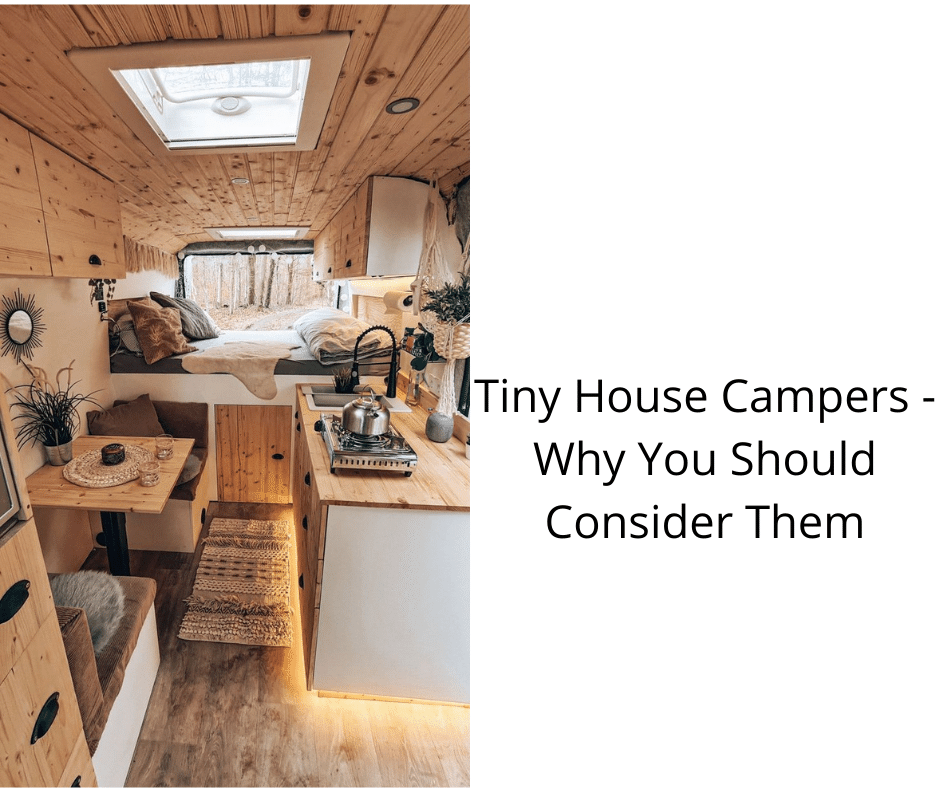
Mobile amenities are another vital aspect that sets these two options apart. Park models are designed with a range of features similar to traditional homes, including full kitchens, bathrooms, and often even laundry setups. They’re built to maximize comfort while remaining portable, making them ideal for those who want a cozy, moveable living space that offers many of the conveniences of a larger home. Tiny houses, while also customizable, tend to be more minimalist. They often focus on efficient use of space, with compact appliances and multi-purpose furniture, but they can offer similar amenities depending on your build. The key is that park models often come with pre-installed mobile amenities suited for quick setup and use in designated parks, whereas tiny houses provide more flexibility in how you equip and arrange your space.
Additionally, the structure and design of park models are typically standardized to meet specific safety and durability standards for mobile homes, which can influence your choice depending on your climate and environment. This standardization can also impact regulatory compliance, affecting where and how you can place these structures. Furthermore, understanding building codes and zoning regulations is crucial since they can vary significantly between regions and influence your options for placement and use. Being aware of these regulations ensures that your structure remains compliant and avoids potential legal issues.
park model mobile home with amenities
As an affiliate, we earn on qualifying purchases.
As an affiliate, we earn on qualifying purchases.
Frequently Asked Questions
Are Park Models Mobile or Stationary?
Park models are generally stationary, designed to stay in one place, but some have wheels, making them mobile. You’ll love the vintage charm combined with modern amenities they offer. While their core purpose is to serve as permanent or semi-permanent homes, their mobility options vary. If you want a cozy space with vintage appeal and modern comforts, a park model might be your perfect fit, whether stationary or slightly mobile.
Can Park Models Be Used as Permanent Residences?
Yes, you can use park models as permanent residences. They offer significant design flexibility and interior customization, allowing you to tailor the space to your needs. Many park models are built with durable materials suitable for full-time living, and their layout options make them a practical choice for a permanent home. With proper permits and adherence to local regulations, park models can become a comfortable, personalized, long-term residence.
What Are the Typical Price Ranges for Each?
You’ll find park models typically range from $40,000 to $100,000, depending on interior customization and energy efficiency features. Tiny houses usually cost between $30,000 and $60,000, but high-end models with advanced insulation and custom interiors can go higher. Your choice depends on how much you prioritize interior customization and energy efficiency, with park models often offering more space and upscale options, while tiny houses emphasize affordability and simplicity.
Do Park Models Require Special Permits?
Yes, park models often require special permits because zoning restrictions vary by location. You’ll need to check local regulations to see if you can install utility connections like water, sewer, and electricity. While they’re designed to be mobile, many areas treat park models like permanent structures, so obtaining permits guarantees you stay compliant. Planning ahead prevents surprises and helps you enjoy your park model without legal issues.
How Long Is the Average Lifespan of Each?
You’ll find that park models typically last around 20 to 30 years, thanks to their durable construction, but their lifespan can extend with proper maintenance. Their portable design and focus on space efficiency mean they’re built for mobility and comfort, often using high-quality materials. Tiny houses, on the other hand, may have a similar lifespan but often emphasize customization and smaller footprints, which can influence their longevity depending on build quality.

Tiny House Designing, Building, & Living (Idiot's Guides)
As an affiliate, we earn on qualifying purchases.
As an affiliate, we earn on qualifying purchases.
Conclusion
So, now that you know the key differences between park models and tiny houses, you’ll see that each offers unique benefits for your lifestyle. Did you know that over 60% of tiny house owners report increased affordability and mobility? Whether you prefer the spacious design of a park model or the compact charm of a tiny house, understanding these distinctions helps you make the best choice for your needs. Ultimately, both options make downsizing more accessible and enjoyable.
recreational park model for RV park
As an affiliate, we earn on qualifying purchases.
As an affiliate, we earn on qualifying purchases.
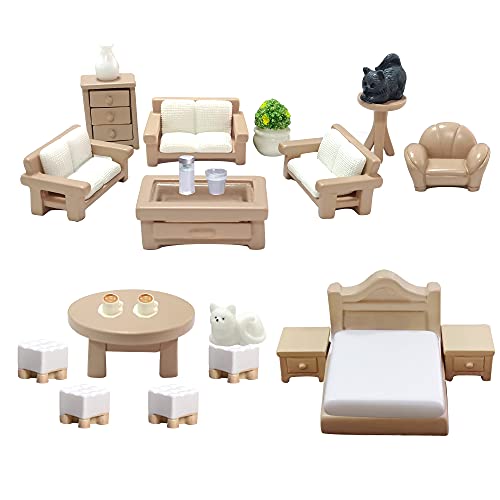
23 Pieces Dollhouse Mini Furniture Decoration Set DIY Accessories Including Dining Room Sitting Living Bedroom Toys for Baby Children Girls
WARNING: CHOKING HAZARD—Small parts. Not for children under 8 Years.
As an affiliate, we earn on qualifying purchases.
As an affiliate, we earn on qualifying purchases.