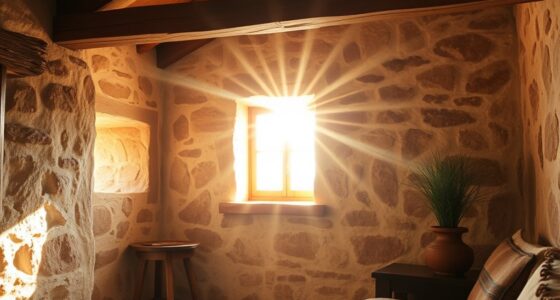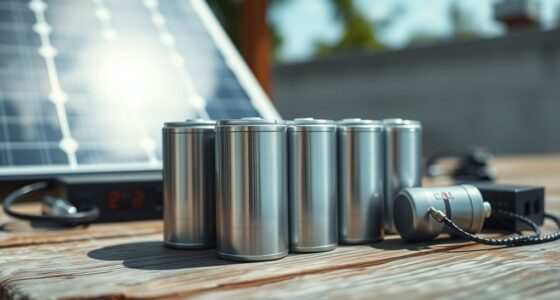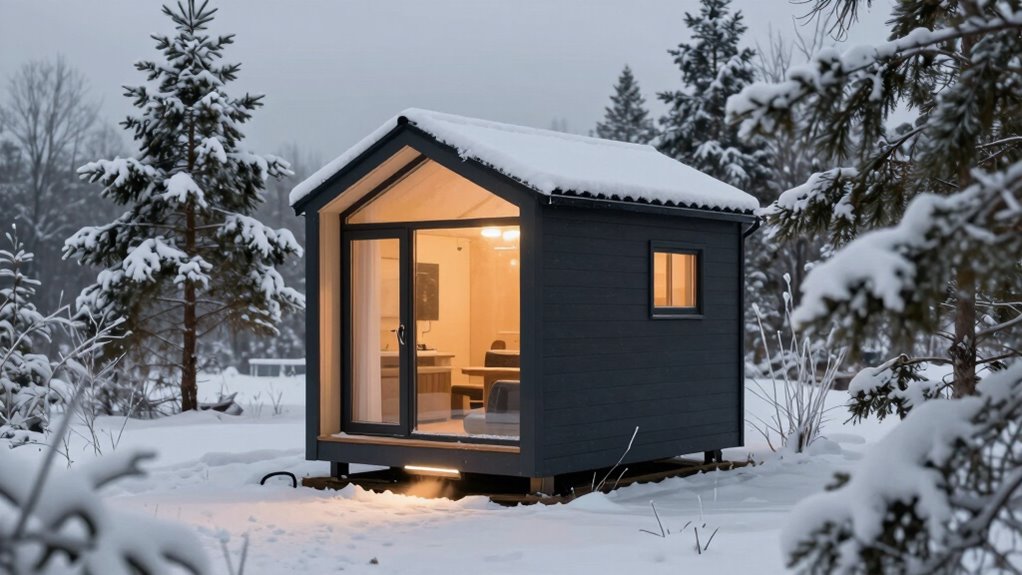

To heat your tiny home in cold climates, consider using low-ambient heat pumps that operate efficiently even below freezing. Proper insulation and sealing around windows and doors are essential to retain heat. Combining these systems with supplemental sources like space heaters or radiant floors enhances comfort. Layering your heating solutions and managing them with programmable thermostats improve efficiency and save energy. Keep exploring to discover how to optimize your tiny home’s warmth and sustainability in winter months.
Key Takeaways
- Use low-ambient heat pumps designed for sub-zero temperatures to ensure reliable heating in cold climates.
- Properly insulate and seal tiny homes to maximize heat retention and reduce energy needs.
- Integrate low-ambient systems with supplemental heat sources like space heaters for extreme cold days.
- Employ programmable thermostats and automated controls to optimize energy efficiency and maintain comfort.
- Choose eco-friendly, sustainable heating options that work effectively with low-ambient systems to reduce environmental impact.
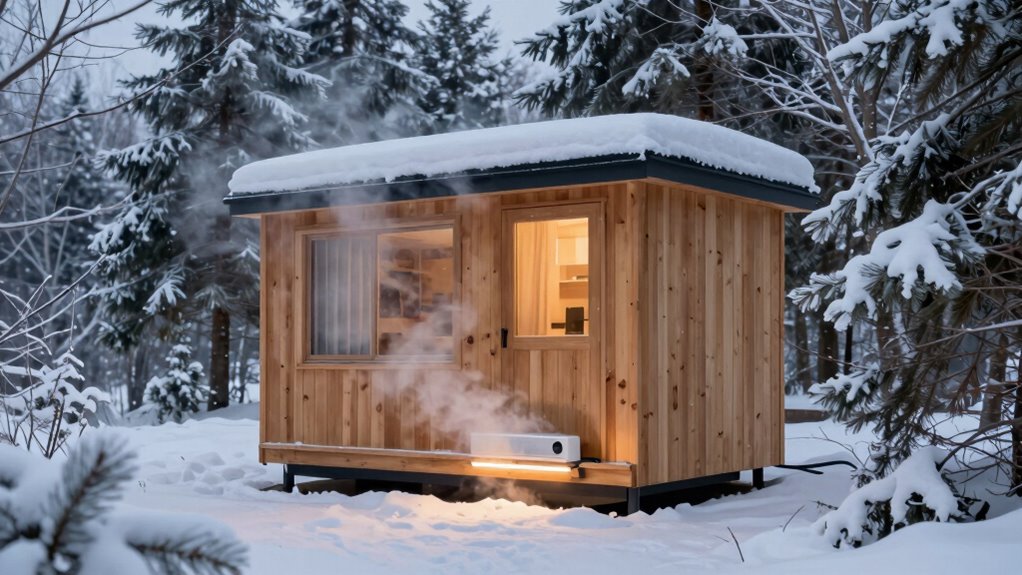
Heating tiny homes in cold climates can be challenging, especially when traditional systems struggle to operate efficiently at low temperatures. In these conditions, you need a heating approach that maximizes energy efficiency and minimizes energy loss. One of the most effective ways to achieve this is through proper insulation techniques. When your tiny home is well-insulated, it retains heat better, reducing the workload on your heating system and lowering energy consumption. Think of insulation as the shield that keeps warm air inside and cold air out. Materials like spray foam, rigid foam boards, and high-quality fiberglass batts can be tailored to the unique shape of tiny homes, ensuring minimal gaps and leaks. Proper sealing around windows, doors, and other penetrations further enhances this barrier, making sure no heat escapes. Newer technology-driven insulation materials are also emerging to improve thermal retention even further. These advancements can make a significant difference in maintaining a comfortable temperature in cold climates.
Once your tiny home is well-insulated, you can look into low-ambient heating systems that are designed to operate efficiently at low temperatures. These systems are tailored to work in cold environments without losing their effectiveness. For instance, low-ambient heat pumps are gaining popularity because they can provide consistent heat even when outdoor temperatures drop significantly. They work by extracting heat from the outside air and transferring it inside, with advanced technology that allows them to operate efficiently in sub-zero conditions. This means you can enjoy reliable warmth without skyrocketing energy bills. Additionally, combining these systems with zone heating allows you to concentrate heat where it’s needed most, avoiding unnecessary energy use in unoccupied spaces. Proper system integration ensures optimal performance and energy savings. Proper installation and system compatibility are crucial to maximize efficiency and prevent system failures during extreme cold weather. Recognizing the importance of biodiversity and sustainable practices can also guide you in choosing eco-friendly heating solutions that align with your overall environmentally conscious lifestyle.
Another energy-efficient strategy involves integrating your low-ambient system with supplemental heating sources, such as space heaters or radiant floor heating. This layered approach ensures you have backup options for extreme cold snaps without over-relying on a single system. Plus, using programmable thermostats helps you maintain ideal indoor temperatures, switching systems on and off based on your schedule. This not only conserves energy but also keeps your tiny home comfortably warm when you need it most. Incorporating energy-efficient heating methods ensures your tiny home remains warm and cost-effective even during the coldest months.

Pereysi Ceramic Personal Space Heater for Office Desk & RV, 1000W/700W Low Wattage Electric Heater Under Desk, Circuit Friendly & Quiet Mini Heater for Feet & Hands
【3-Second Ceramic Instant Heat】: High-efficiency ceramic heater delivers warm air in just 3 seconds. Designed to heat your…
As an affiliate, we earn on qualifying purchases.
As an affiliate, we earn on qualifying purchases.
Frequently Asked Questions
How Do Low-Ambient Systems Compare in Initial Cost to Traditional Heating?
Low-ambient systems generally cost more upfront compared to traditional heating, mainly due to advanced technology and specialized components. The cost comparison can be significant, but you might save on energy bills long-term. Be aware of installation challenges, as these systems sometimes require more complex setup and professional expertise. While initial costs are higher, their efficiency in cold climates can make them a worthwhile investment over time.
What Are the Maintenance Requirements for Low-Ambient Heating Systems?
You’ll need to regularly check thermostat compatibility to guarantee your low-ambient system operates efficiently. Keep filters clean and inspect components like valves and pumps to promote system longevity. Schedule annual maintenance with a professional to catch potential issues early, extending the lifespan of your system. By maintaining proper airflow and addressing minor repairs promptly, you’ll keep your heating system running smoothly, especially during cold winters.
Can These Systems Be Integrated With Solar Power?
Yes, you can integrate low-ambient heating systems with solar power. Solar integration allows you to harness sunlight to power your heating, reducing reliance on grid energy. Incorporate energy storage solutions like batteries to store excess solar energy for use during cloudy days or nighttime, ensuring consistent comfort. This setup makes your tiny home more sustainable, cost-effective, and resilient in cold climates.
How Effective Are Low-Ambient Systems in Extremely Cold Temperatures?
Like a steady heartbeat in winter’s silent song, low-ambient systems can be quite effective in extreme cold with proper efficiency optimization. They gently nurture warmth, reducing energy consumption while maintaining comfort. However, their performance depends on insulation quality and system design. In the harshest chills, supplemental heating might be necessary. With careful planning, you can keep your tiny home cozy, like a warm ember glowing through icy nights.
Are There Specific Insulation Standards for Tiny Homes in Cold Climates?
Yes, there are specific insulation standards you should follow for tiny homes in cold climates. Climate considerations demand higher R-values for walls, roofs, and floors to prevent heat loss. You need to choose insulation materials that withstand extreme temperatures and moisture. Ensuring your tiny home meets or exceeds these insulation standards helps maintain warmth efficiently, making low-ambient systems more effective and keeping your space cozy even in the coldest weather.
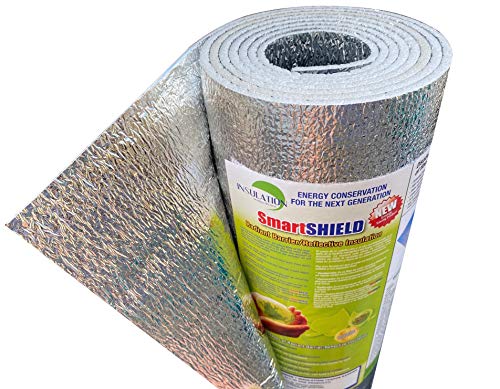
INSULATION MARKETPLACE SmartSHIELD -3mm 16inx10Ft ReflectiveINSULATION roll, Foam Core Radiant Barrier, ThermalINSULATION Shield – Engineered Foil
EXTREMELY EFFECTIVE – reflect 95% of radiant energy, perfect RADIANT BARRIER.
As an affiliate, we earn on qualifying purchases.
As an affiliate, we earn on qualifying purchases.
Conclusion
As you navigate the chilly embrace of winter, remember that low-ambient systems are your steadfast guardians, quietly humming like a warm hearth in a snow-covered cabin. They weave comfort into every corner of your tiny sanctuary, transforming frosty mornings into cozy retreats. With these systems, you hold the power to turn your tiny home into a resilient fortress against the cold, where warmth blossoms like a spring garden, no matter how fierce the winter winds howl outside.

New! Honeywell Home Programmable Thermostat, Single-Stage, 1 Heat/1 Cool Compatibility, 5-2 Day Schedule, X2P, White, RTH20B
CUSTOMIZE: Choose to receive change air filter reminders and select display settings to optimize this thermostat for home.The…
As an affiliate, we earn on qualifying purchases.
As an affiliate, we earn on qualifying purchases.

BLARALA Electric Radiant Floor Heating System, 40 Sq.ft Electric Heated Floor Mats for Bathroom, Includes Programmable Thermostat, Heat Mat, Installation Monitor, and Temperature Sensors
LUXURY AND COMFORT: Heated floor system includes 40 sq. ft. (120 volt) floor heating mat, cable monitor/alarm, programmable…
As an affiliate, we earn on qualifying purchases.
As an affiliate, we earn on qualifying purchases.