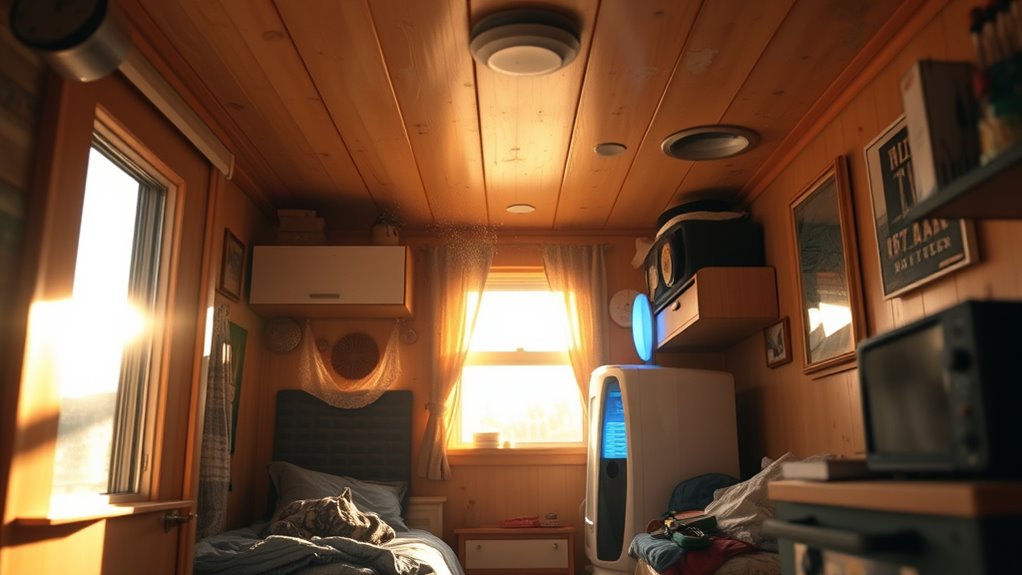

In tiny homes, poor ventilation often leads to stale air, high humidity, and moisture buildup, which can cause mold and mildew. Limited airflow makes it hard to remove indoor pollutants like dust, pet dander, and VOCs, risking respiratory issues. Moisture from cooking, showering, and daily activities can worsen these problems if not properly managed. To keep your air clean and healthy, it’s important to understand the underlying issues—and there’s more to take into account below.
Key Takeaways
- Limited ventilation in small, sealed spaces causes indoor pollutants and stale air buildup.
- Accumulation of dust, pet dander, and VOCs worsens indoor air quality without proper airflow.
- Moisture from cooking, showering, and breathing can lead to high humidity and mold growth.
- Inadequate exhaust and dehumidification allow mold and mildew to develop, impacting health.
- Poor indoor air circulation traps pollutants and moisture, increasing respiratory and allergy risks.
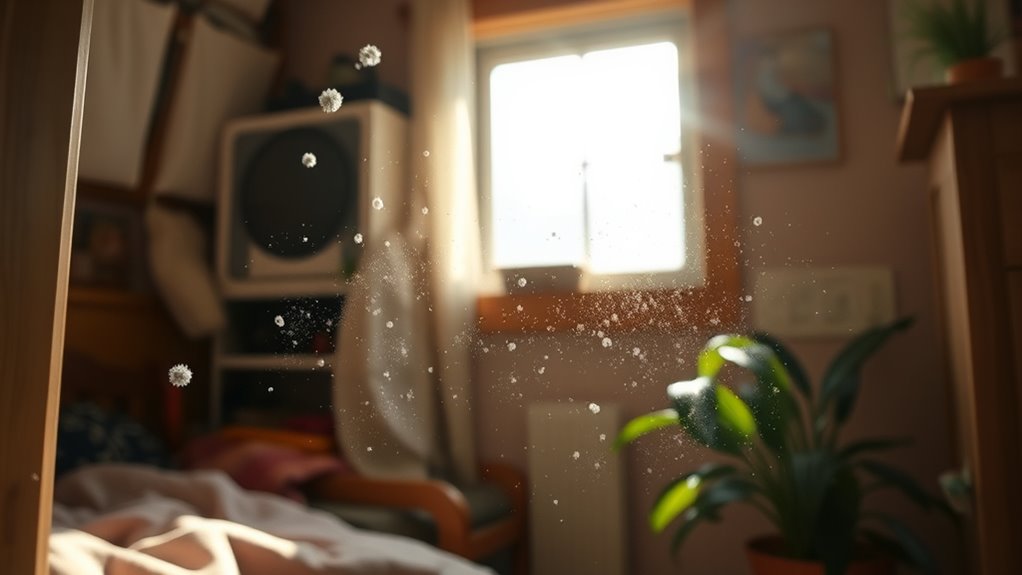
Living in a tiny home can be appealing, but it also brings unique air quality challenges you need to be aware of. One of the most common issues is ventilation challenges. Because tiny homes are small and often tightly sealed to conserve energy, fresh air exchange can be limited. This can cause indoor air to become stale and increase levels of indoor pollutants, such as dust, pet dander, and volatile organic compounds (VOCs). Without proper ventilation, these pollutants can accumulate quickly, leading to discomfort and potential health problems over time. You might find yourself relying heavily on exhaust fans or opening windows, but these measures aren’t always enough, especially in colder or more humid climates. Installing energy-efficient ventilation systems, like heat recovery ventilators (HRVs), can help maintain good airflow without sacrificing insulation, ensuring you get fresh air regularly.
Moisture problems also pose a significant risk in tiny homes. Because of their compact size, even small amounts of excess moisture can create significant issues. Cooking, showering, and even breathing release moisture into the air, and if it doesn’t have a way to escape, humidity levels can spike. Elevated moisture promotes mold growth, which not only damages your home but also impacts air quality by releasing spores into the air. Mildew and mold can trigger allergies and respiratory issues, especially if left unchecked. To combat this, you should use exhaust fans in kitchens and bathrooms, and consider a dehumidifier if humidity levels remain high. Proper insulation and vapor barriers are also essential to prevent moisture from infiltrating walls and ceilings, which can lead to long-term problems.
Because tiny homes are so confined, these moisture and ventilation issues are interconnected. Poor ventilation can trap moisture, creating a cycle that fosters mold growth and deteriorates air quality. Conversely, addressing one without the other might not fully resolve the problem. It’s important to implement a thorough approach that includes good airflow, moisture control, and regular maintenance. You’ll also want to be mindful of indoor air pollutants from cleaning products, building materials, and furnishings, which can worsen air quality if not managed properly. Regularly inspecting your home and keeping it well-ventilated can go a long way in creating a healthier living environment. Understanding these challenges allows you to take proactive steps, ensuring your tiny home remains a safe, comfortable, and healthy place to live.
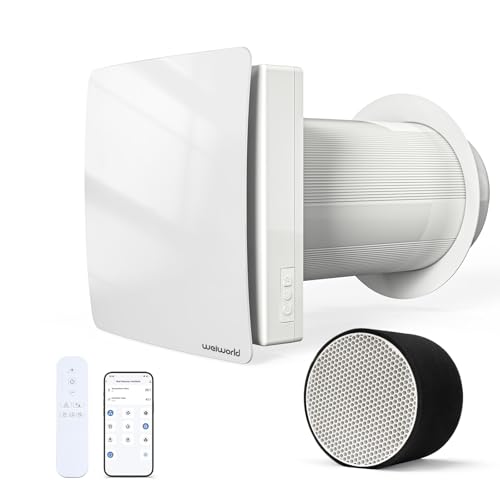
Weiworld Heat Recovery Ventilator with Ceramic Heat Exchanger, Wall-Mounted Fresh Air System with WiFi/Remote Control for Home, Attic, Garage – Supply, Exhaust & Recirculation Ventilation Fan
Heat Recovery Ventilator (HRV) for single room ventilation: Equipped with a high-efficiency ceramic heat exchanger that recovers up…
As an affiliate, we earn on qualifying purchases.
As an affiliate, we earn on qualifying purchases.
Frequently Asked Questions
How Can Tiny Home Ventilation Systems Be Optimized for Better Air Quality?
To optimize your tiny home’s ventilation system for better air quality, focus on effective ventilation system design and airflow optimization. Make certain your system includes both exhaust and intake vents to promote continuous air exchange. Use fans strategically, position vents for maximum airflow, and consider energy recovery ventilators for efficiency. Regularly clean filters and monitor airflow to prevent stale air buildup, creating a healthier, more comfortable living environment.
Are There Specific Air Purifiers Suitable for Small Living Spaces?
Did you know that HEPA units capture 99.97% of airborne particles? For your small living space, portable filters like compact HEPA units are ideal, offering efficient air purification without taking up much room. These devices effectively remove allergens, dust, and pet dander, ensuring healthier air. Look for models specifically designed for tiny homes, as they combine power and portability, making it easy to maintain excellent air quality effortlessly.
What Are Common Sources of Indoor Pollutants in Tiny Homes?
You should be aware that building materials like pressed wood and paints can emit volatile organic compounds, affecting your indoor air quality. Combustion appliances, such as stoves and space heaters, also release pollutants like carbon monoxide and nitrogen dioxide. To maintain good air quality, guarantee proper ventilation, choose low-emission materials, and regularly service your appliances. These steps help create a healthier environment in your tiny home.
How Often Should Air Filters Be Replaced in Tiny Homes?
Think of your air filter as the unsung hero of your tiny home—keeping your air fresh and clean. You should replace your air filter every 1 to 3 months, depending on filter maintenance and the air filter lifespan. Regularly checking and swapping out your filter guarantees peak air quality and prevents pollutants from sneaking in. Don’t wait too long—your lungs will thank you!
Can Natural Ventilation Effectively Improve Air Quality in Tiny Homes?
Natural airflow can effectively improve air quality in your tiny home if you optimize ventilation effectiveness. By strategically opening windows and vents, you allow fresh air to circulate, reducing indoor pollutants and humidity. However, the effectiveness depends on factors like outdoor air quality and weather conditions. To maximize benefits, combine natural ventilation with other methods like air purifiers, ensuring consistent airflow and better overall air quality inside your tiny space.

Gopper 12" Ultra Quiet Bathroom Exhaust Fan with 6500K LED Light, 1.0 Sone 120 CFM, 10×10 Mount, 1500 LM Ceiling Ventilation Fan, Energy Efficient (6500K LED-W)
12-inch Classic LED Light: Only bright cool white (6500K), non-adjustable color temperature.
As an affiliate, we earn on qualifying purchases.
As an affiliate, we earn on qualifying purchases.
Conclusion
Living in a tiny home means embracing simplicity, but it also means facing unique air quality challenges. While your space is compact and cozy, pollutants can quickly gather, impacting your health. So, you enjoy the freedom of minimalism, yet must stay vigilant about ventilation and indoor air. It’s a delicate balance—embracing the charm of small living while actively protecting yourself from unseen hazards. In tiny homes, awareness creates comfort, and care ensures wellness.
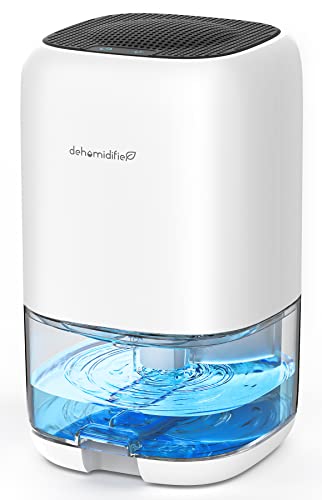
Dehumidifier, 35 OZ Small Dehumidifiers for Bedroom for Home, Quiet with Auto Shut Off, Dehumidifiers for Bedroom (280 sq. ft), Bathroom, RV, Closet, White
High Efficient Dehumidifiers for Home: Still annoyed about the muggy weather? Just Take it easy! have a try…
As an affiliate, we earn on qualifying purchases.
As an affiliate, we earn on qualifying purchases.

Bigger Than Tiny, Smaller Than Average
As an affiliate, we earn on qualifying purchases.
As an affiliate, we earn on qualifying purchases.