
To set up a tiny house plumbing system, focus on water conservation by choosing low-flow fixtures and dual-flush toilets. Plan for proper fixture placement for easy maintenance, and consider flexible piping like PEX for tight spaces. Connect to water sources with a pressure regulator and incorporate filtration systems for rainwater or greywater. Regular maintenance, such as inspecting for leaks and flushing sediment, keeps your plumbing efficient and long-lasting. Keep exploring to learn the essentials for a reliable tiny house plumbing setup.
Key Takeaways
- Choose water-efficient fixtures like low-flow showerheads and dual-flush toilets to conserve water in your tiny house.
- Regularly inspect and maintain pipes, filters, and fixtures to prevent leaks and ensure system longevity.
- Plan fixture placement for easy access, maintenance, and efficient use of space.
- Connect to water sources with proper regulators and consider rainwater or greywater systems for sustainability.
- Use durable, vetted materials like PEX piping to enhance system reliability and simplify repairs.
Are you feeling overwhelmed by the idea of setting up plumbing in a tiny house? Don’t worry—you’re not alone. Small spaces require smart planning, especially when it comes to plumbing. One of the most important aspects to consider is water conservation. Since tiny houses have limited water supply, you’ll want to choose fixtures and appliances designed to minimize water usage. Low-flow showerheads, dual-flush toilets, and aerated faucets can considerably reduce your water consumption without sacrificing comfort. Implementing these features not only helps you conserve water but also keeps your water bills manageable.
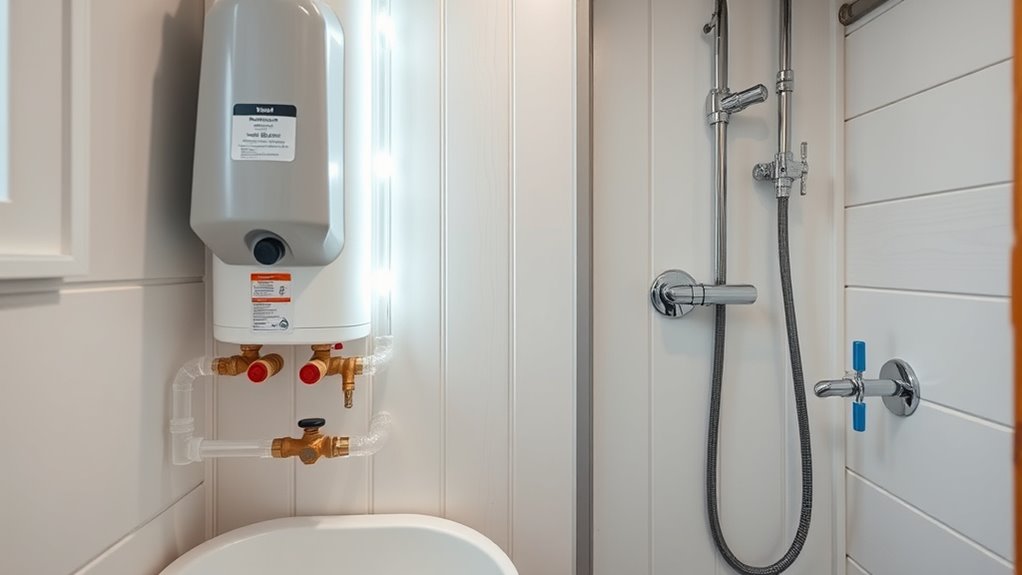
Understanding plumbing maintenance is equally essential. Tiny house plumbing systems are simpler than traditional homes, but that doesn’t mean they require no upkeep. Regular inspections and cleaning of pipes, filters, and drains prevent clogs and leaks that could cause bigger problems down the line. For example, checking for leaks around fixtures and joints can save you from water wastage and costly repairs later. Keeping an eye on your water heater’s performance is also important; flushing sediment from the tank periodically ensures it functions efficiently and prolongs its lifespan. Routine maintenance tasks like inspecting connections and replacing worn parts help maintain system integrity and prevent emergency repairs that could be disruptive and expensive.
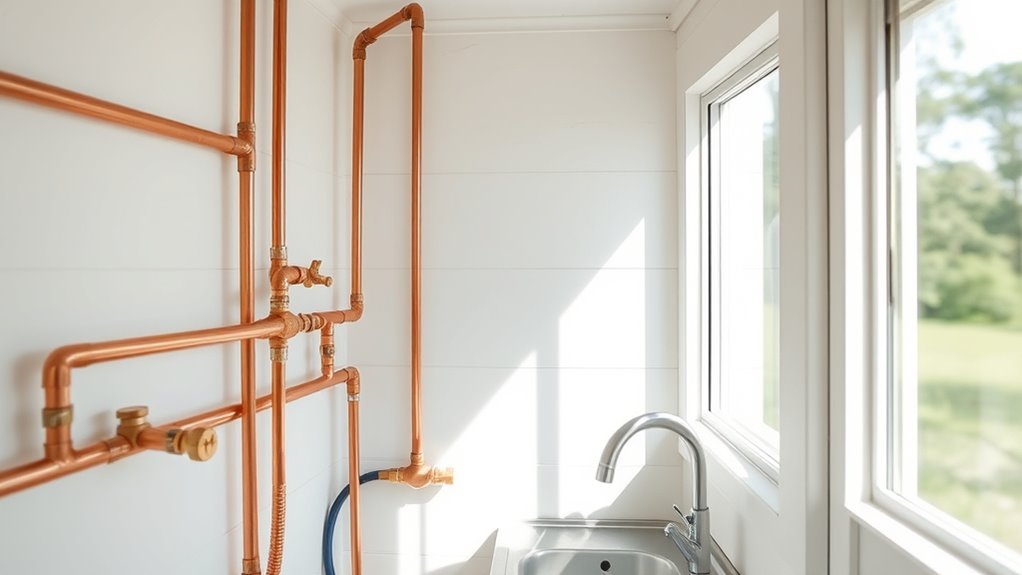
When setting up your plumbing, consider the placement of fixtures carefully. Position your kitchen and bathroom sinks, shower, and toilet in accessible spots, making maintenance easier. Use quality piping materials like PEX, which is flexible, durable, and easier to install in tight spaces. If you’re connecting to a city water supply, ensure your system includes a pressure regulator to prevent damage from high pressure. Alternatively, if you’re using a rainwater collection or greywater system, plan for filtration and storage tanks. These systems need routine checks and cleaning to stay functional and safe. Additionally, choosing vetted plumbing products can ensure reliability and reduce future issues.

Aqua Elegante 3 Inch High Pressure Shower Head – Best Pressure Boosting, Wall Mount, Bathroom Showerhead For Low Flow Showers, 2.5 GPM – Chrome
💦 UNLIKE OTHER SHOWER HEADS THAT are made from cheap, thin plastic that leaks after a few showers,…
As an affiliate, we earn on qualifying purchases.
As an affiliate, we earn on qualifying purchases.
Frequently Asked Questions
How Do I Choose the Best Plumbing Materials for My Tiny House?
To select the best plumbing materials for your tiny house, prioritize water-efficient fixtures to save water and reduce costs. Opt for eco-friendly piping like PEX or PVC, which are durable and easy to install. Consider the climate and water pressure needs, and choose materials that are safe, sustainable, and compatible with your system. Doing so guarantees a reliable, eco-conscious plumbing setup that fits your tiny house lifestyle.
What Are Common Plumbing Issues in Tiny Houses?
You’ll face plumbing issues like drain clogs and water leaks that can feel as disruptive as a hurricane in your tiny house. Clogs often happen from hair, grease, or debris blocking drains, while leaks stem from loose fittings or damaged pipes. Regularly check for leaks and avoid pouring grease down drains. Staying vigilant helps prevent these common issues from turning your cozy space into a plumbing nightmare.
How Can I Prevent Pipe Freezing in Winter?
To prevent pipe freezing in winter, you should insulate your pipes with effective insulation techniques like foam pipe insulation or heat tape. Make certain all vulnerable pipes are well-covered, especially those in unheated areas. Use heat tape along the length of the pipe, plugging it in during cold snaps. Keep interior temperatures consistent, and open cabinet doors to allow warm air to circulate around plumbing. These steps help maintain flow and avoid costly repairs.
Is It Necessary to Hire a Professional Plumber?
You don’t need to hire a professional plumber for DIY plumbing, right? Well, think again—ignoring plumbing codes and proper techniques can lead to costly mistakes. While small fixes might seem simple, complex issues demand expertise. A licensed plumber ensures your tiny house’s plumbing is safe, efficient, and code-compliant. So, unless you fancy leaks or floods, it’s smarter to call in a pro rather than risking DIY disasters.
How Do I Maintain My Tiny House Plumbing System?
To maintain your tiny house plumbing system, regularly check for leaks and practice water conservation by fixing drips promptly and using appliances efficiently. Keep drain traps clean, and periodically flush the system with a mixture of vinegar and water to prevent buildup. Monitoring for leaks helps prevent water damage and conserves resources, ensuring your plumbing stays in good shape. Consistent maintenance keeps everything running smoothly and saves you money long-term.

Laveo Dry Flush Toilet – Waterless, Portable, Self Contained and Easier to Use than an Incinerating or Composting Toilet. Great for Tiny Homes, Vans, Boats, Camping, RVs and Off Grid, LDPE, White
What's Included – Every Dry Flush Waterless Toilet comes with a Battery and Charger, Cable, 2 Cartridges and…
As an affiliate, we earn on qualifying purchases.
As an affiliate, we earn on qualifying purchases.
Conclusion
Think of your tiny house plumbing as the circulatory system of a tiny spaceship, essential and efficient. When you understand how each part connects and works together, you keep everything flowing smoothly. With a little knowledge, you become the captain of your own tiny vessel, ensuring comfort and independence. So, embrace the journey, troubleshoot with confidence, and enjoy the freedom that comes with mastering your tiny house’s plumbing system. Your adventure in tiny living just got a whole lot easier!

Donext 26pcs-100FT PEX-AL-PEX Blue Tubing Air Compressor Piping System,Air Compressor Piping,Flexible Plumbing Tube for Wall Floor Installation
Durable PEX-AL-PEX Construction: This tubing features a three-layer structure with an aluminum core between inner and outer PEX…
As an affiliate, we earn on qualifying purchases.
As an affiliate, we earn on qualifying purchases.
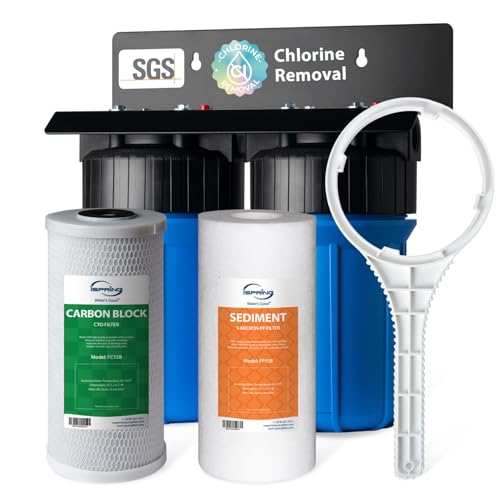
iSpring WGB21B 2-Stage Whole House Water Filtration System, with 10" x 4.5" Sediment CTO(Chlorine, Taste, and Odor) Filter, 1" Inlet/Outlet
[Two-Stage Effective Filtration] The whole house water filter has 1st-Stage premium 5-micron polypropylene sediment filter (FP15B) captures dirt,…
As an affiliate, we earn on qualifying purchases.
As an affiliate, we earn on qualifying purchases.