
Making small changes in your daily routine can markedly reduce your energy consumption without relying on new technology. Simple habits like turning off unused lights or air-drying clothes might seem minor, but they add up over time. These easy adjustments can help you save money and protect the environment, all without complicated solutions. Curious how just a few mindful actions could make a real difference in your energy use?
Key Takeaways
- Turn off lights in unused rooms and use natural daylight whenever possible.
- Unplug chargers and electronics when not in use to prevent phantom energy draw.
- Adjust thermostats by a degree or two to reduce heating and cooling energy consumption.
- Air-dry clothes instead of using the dryer to save energy.
- Use energy-efficient design features like proper insulation and strategic window placement.

Reducing your energy use doesn’t have to be complicated or costly. Small changes can make a big difference, and adopting a few simple habits can help you cut your energy bills by about 15% without relying on high-tech gadgets. One effective way to start is by focusing on your lighting. Replacing traditional bulbs with energy-efficient lighting, like LEDs, consumes considerably less power and lasts longer. You don’t need to switch everything overnight—just swap out bulbs in key areas like the living room, kitchen, and bedroom. When you’re not using a room, turn off the lights altogether. This simple step avoids unnecessary energy waste and keeps your bills lower.
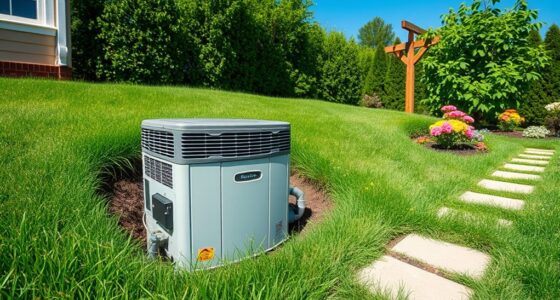
Another habit that can save substantial energy is proper appliance maintenance. Regularly cleaning filters, coils, and vents on appliances such as refrigerators, dishwashers, and air conditioners ensures they operate efficiently. An overworked fridge or AC uses more power to do the same job. Defrosting your freezer when needed prevents ice buildup, which can hinder efficiency. For dishwashers and laundry machines, using the right load size and energy-saving settings helps minimize energy consumption. Keeping appliances in good shape means they work better and last longer, saving you money in the long run. Additionally, choosing energy-efficient appliances when replacing old ones can significantly reduce energy use over time.
Furthermore, being mindful about your everyday activities can make a difference. Unplug chargers, electronics, and appliances when they’re not in use. Even when turned off, many devices draw power—often called phantom loads—that add up over time. Using power strips makes it easy to switch off multiple devices at once, preventing this hidden energy drain. Also, try to run your dishwasher or laundry during off-peak hours when energy demand is lower, which can sometimes lead to lower rates and less strain on the grid.
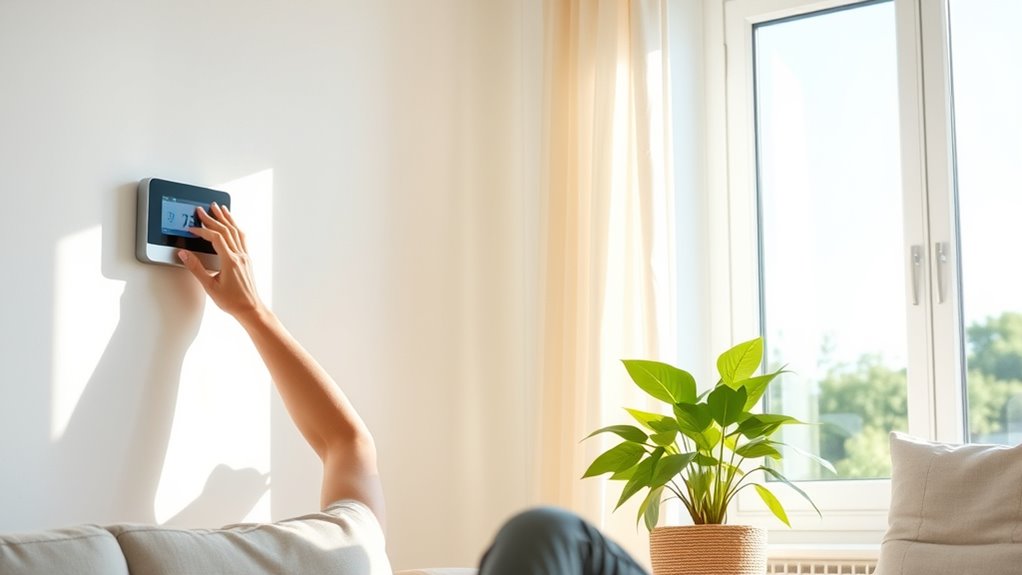
Another simple habit is adjusting your thermostat settings. During colder months, lowering your heating by just a degree or two can considerably reduce energy use. Similarly, in warmer months, setting your thermostat a few degrees higher during the day and using fans can keep you comfortable without overworking your AC. Small adjustments like these, combined with proper appliance maintenance and energy-efficient lighting, can add up to big savings over time.
Lastly, make it a point to be conscious of your energy habits. Small actions—like opening curtains to let in natural light instead of turning on lamps, or air-drying clothes instead of using the dryer—are easy ways to cut back without much effort. By integrating these habits into your daily routine, you’ll see your energy use drop, your bills shrink, and your impact on the environment lessen—all without needing complicated technology or large investments. Being aware of energy-efficient design principles, such as proper insulation and window placement, can further enhance your savings and comfort.
Conclusion
By adopting these simple habits, you can easily cut your energy use by 15% without any fancy tech. For example, imagine a family who starts turning off unused lights and air-drying clothes—they save enough on energy bills each year to fund a family outing. Small changes like these not only save money but also reduce your environmental impact. Start today, and see how effortless saving energy can be!