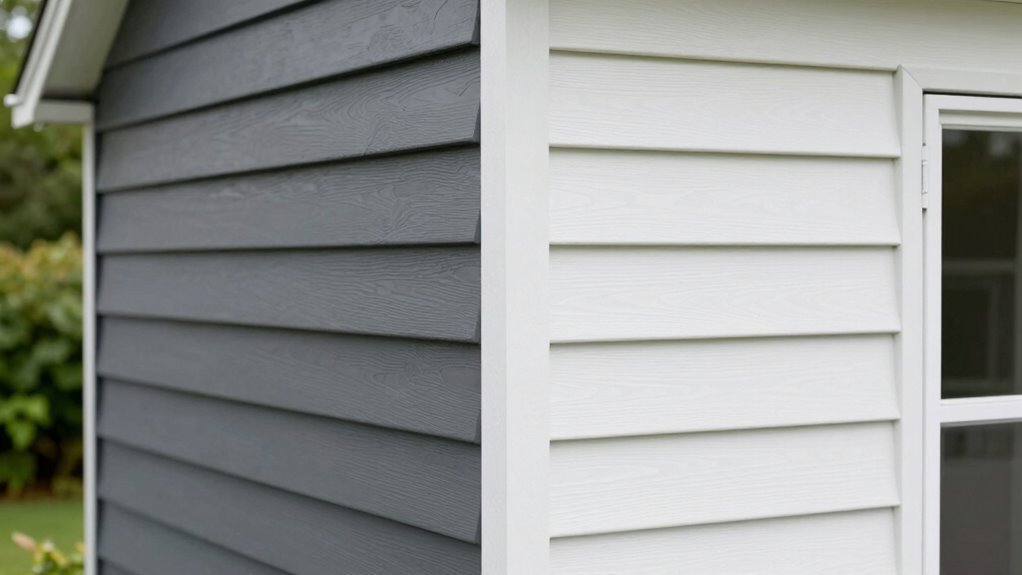

Choosing the right exterior siding for a tiny house involves balancing style, durability, and ease of installation. The Tando Beach House Shake Composite Siding Panels in Hatteras offer a natural cedar look with low maintenance, making them ideal for those who want authentic aesthetics without ongoing upkeep. The Polaris Homeside Select Cedar Shake Vinyl Siding in Savannah Wicker provides a realistic appearance with minimal care, perfect for homeowners prioritizing convenience. Meanwhile, the Tando Beach House Shake Composite Siding in Pacifica combines durability with lightweight ease, suited for DIYers seeking a long-lasting yet manageable siding option. Each material has tradeoffs—composite options excel in weather resistance but can be more complex to install, while vinyl is easier but offers fewer customization choices.

Get compact home essentials delivered free with Prime
- Fast, free delivery on millions of items
- Prime Video, Amazon Music and more included
- Member-only deals all year
Key Takeaways
- Composite siding like Tando‘s offers authentic cedar looks with excellent weather resistance but may require additional components for a finished appearance.
- Vinyl siding such as Polaris provides a realistic cedar shake appearance with minimal maintenance, though it can be heavier and more installation-sensitive.
- All options feature low maintenance and weather resistance, but installation complexity varies, influencing suitability for DIY projects.
- Color and material choices influence durability, appearance, and installation needs, making it crucial to match the siding to your climate and skills.
- Tradeoffs between authenticity, ease of installation, and long-term durability help determine the best siding for your tiny house.
| Tando Beach House Shake Composite Siding Panels – Hatteras Color |  | Best Overall for Authentic Look and Durability | Color: Hatteras | Material: Composite | Coverage: 50 sq ft per box | VIEW ON AMAZON | See Our Full Breakdown |
| Polaris Homeside Select Double 7in. Cedar Shake Vinyl Siding (Savannah Wicker) |  | Best for Low Maintenance and Realistic Appearance | Material: Vinyl | Color: Savannah Wicker | Size: 7 inches wide, 15-3/8 inches height, 17 inches overall width | VIEW ON AMAZON | See Our Full Breakdown |
| Tando Beach House Shake Composite Siding Panels – Pacifica Color |  | Best Lightweight Composite for Easy DIY Installation | Color: Pacifica | Material: Composite | Coverage: 50 sq ft per box | VIEW ON AMAZON | See Our Full Breakdown |
| exterior siding for tiny house | Color | Material | Coverage | Panel Dimensions |
|---|---|---|---|---|
| Tando Beach House Shake Compos | Hatteras | Composite | 50 sq ft per box | 42.63" wide x 15" high |
| Polaris Homeside Select Double | Savannah Wicker | Vinyl | — | — |
| Tando Beach House Shake Compos | Pacifica | Composite | 50 sq ft per box | 42.63" W x 15" H |
More Details on Our Top Picks
Tando Beach House Shake Composite Siding Panels – Hatteras Color
This composite siding stands out for mimicking cedar shakes with remarkable realism, providing a natural aesthetic without the ongoing maintenance of real wood. Compared with vinyl options, it offers superior moisture resistance, making it an excellent choice for harsh climates. However, installation can be more involved since starter strips and corner pieces are sold separately, which adds to the overall cost and complexity. Its long-lasting, weather-resistant qualities make it a reliable choice for tiny houses that need to withstand the elements without frequent repairs.
Pros:- Authentic cedar shake appearance without ongoing maintenance
- Moisture and weather resistant, suitable for harsh climates
- Fast, easy installation with standard carpentry tools
- Long-lasting and durable exterior siding
Cons:- Starter strips and corner pieces sold separately
- Requires additional components for a finished look
Best for: Tiny house owners who want a durable, authentic cedar shake appearance with low maintenance
Not ideal for: DIYers seeking the simplest, quickest installation or those on a tight budget for additional components
- Color:Hatteras
- Material:Composite
- Coverage:50 sq ft per box
- Panel Dimensions:42.63″ wide x 15″ high
- Exposure:5″
- Coverage per carton:11 pieces
Our verdict“A top choice for authentic appearance and durability, ideal for those willing to handle a slightly more complex installation.”
Polaris Homeside Select Double 7in. Cedar Shake Vinyl Siding (Savannah Wicker)
This vinyl siding offers a convincing cedar shake look with textured detail, making it a popular choice for those prioritizing ease of upkeep. Its Tru-Lock technology ensures a seamless, secure fit, reducing chances of gaps or warping over time. While it’s less susceptible to weather damage and requires no painting or sealing, careful installation is vital to achieve a watertight finish, especially around corners and edges. Its limited color palette may not suit every aesthetic, but its long-term durability and ease of cleaning make it a reliable, low-effort siding solution.
Pros:- Realistic cedar shake appearance with textured detail
- Low maintenance and weather resistant
- Seamless Tru-Lock technology for a secure fit
- Multiple color options available
Cons:- Requires careful installation to ensure proper sealing
- Limited to specific color options
- Weight per box may be heavy for some installers
Best for: Tiny house owners seeking minimal maintenance with a realistic cedar look
Not ideal for: Those wanting the widest variety of colors or with limited installation experience
- Material:Vinyl
- Color:Savannah Wicker
- Size:7 inches wide, 15-3/8 inches height, 17 inches overall width
- Thickness:1/8 inch
- Pieces per box:10
- Coverage per box:50 sq. feet
- Linear feet per box:480 feet
- Weight per box:37 pounds
- Warranty:Limited Lifetime
- Installation Waste Allowance:20%
Our verdict“A practical choice for homeowners desiring a blend of aesthetic realism and hassle-free upkeep, with a note on installation care.”
Tando Beach House Shake Composite Siding Panels – Pacifica Color
The Pacifica-colored composite panels from Tando replicate cedar shakes with a focus on lightweight ease and weather resistance. Designed for straightforward installation, these panels are suitable for DIYers who want a durable, low-maintenance siding option that mimics natural wood. While they offer excellent moisture resistance, they require a starter strip and corner pieces purchased separately, which can add to initial setup time. Compared with heavier vinyl, these panels are easier to handle, but the need to buy additional components means planning ahead is essential.
Pros:- Authentic cedar shake appearance without ongoing maintenance
- Weather and moisture resistant
- Lightweight and easy to install, saving time and labor
- Long-lasting and durable compared to natural cedar
Cons:- Requires separate purchase of starter strip and corner pieces
- Installation may be complex for DIY beginners
Best for: DIY enthusiasts and tiny house owners seeking an easy-to-install, durable siding
Not ideal for: Buyers looking for a ready-to-install solution or on a tight budget for additional components
- Color:Pacifica
- Material:Composite
- Coverage:50 sq ft per box
- Panel Dimensions:42.63″ W x 15″ H
- Exposure:5″
- Coverage per carton:11 interlocking pieces
Our verdict“An excellent lightweight composite option for DIYers wanting authentic looks with manageable installation challenges.”

How We Picked
Our selection process focused on siding options that balance aesthetic appeal, durability, ease of installation, and suitability for tiny houses. We prioritized products with realistic cedar looks, weather-resistant materials, and manageable installation requirements. Each product was evaluated for its ability to withstand harsh climates, maintenance needs, and overall value. We compared composite and vinyl options, considering how each performs in real-world tiny house applications, especially in terms of weight, cost, and DIY friendliness.
| exterior siding for tiny house | Color | Material |
|---|---|---|
| Tando Beach House Shake Compos | Hatteras | Composite |
| Polaris Homeside Select Double | Savannah Wicker | Vinyl |
| Tando Beach House Shake Compos | Pacifica | Composite |
Factors to Consider When Choosing Exterior Siding For Tiny House
Selecting siding for a tiny house requires careful consideration of climate, installation skills, and aesthetic goals. The right choice balances durability with ease of installation, especially if you plan to do it yourself. Material options range from authentic-looking composite panels to low-maintenance vinyl, each with distinct tradeoffs. Understanding these differences will help you choose siding that not only looks good but also lasts in your environment.
Material Type and Authenticity
Composite siding, like Tando’s panels, offers a natural cedar look with excellent durability, perfect for harsh climates. Vinyl siding, such as Polaris, provides a convincing appearance with less upkeep but less authenticity in texture. Consider whether you prioritize realism or ease of maintenance, as this influences your choice significantly.
Ease of Installation
Lightweight composite panels are generally easier for DIY installation, especially if they come with interlocking features. Vinyl siding, especially with Tru-Lock technology, also simplifies installation but requires careful sealing around edges. Heavy or complex systems might be better left to professionals, so assess your comfort level and available tools before choosing.
Environmental Resistance and Maintenance
All selected options are moisture resistant, but composite panels tend to withstand extreme weather better over time. Vinyl is highly resistant to rot and pests but can be more prone to warping if not installed correctly. Maintenance needs vary—composite siding typically requires less frequent attention, making it ideal for low-upkeep preferences.
Cost and Long-term Value
While composite siding usually costs more upfront, its longevity and low maintenance can offset initial expenses. Vinyl siding is often more affordable initially but may need replacement or repairs sooner in extreme environments. Evaluating your budget and the climate will help determine which provides the best long-term value for your tiny house.
Frequently Asked Questions
What is the most durable siding material for a tiny house?
Composite siding, especially high-quality options like Tando’s panels, typically offers superior durability in extreme weather conditions, resisting moisture, pests, and physical impacts better than vinyl. Its long-lasting nature makes it a reliable choice when longevity is a priority, though it may require a higher initial investment and more complex installation.
Is vinyl siding suitable for tiny houses in harsh climates?
Vinyl siding, such as Polaris Homeside, performs well in many climates due to its weather resistance and low maintenance needs. However, in extremely cold or hot environments, it can warp or crack if not installed properly. It’s best suited for moderate climates or for owners who want a quick, easy-to-maintain exterior.
Can I install composite siding myself?
Yes, lightweight composite panels like Tando’s Pacifica are designed with DIY installation in mind, especially since they are lightweight and feature interlocking systems. Nevertheless, some components like starter strips and corner pieces must be purchased separately, and proper tools and careful planning are essential to achieve a professional-looking finish.
How does maintenance differ between composite and vinyl siding?
Composite siding generally requires minimal ongoing upkeep, mainly occasional cleaning, and no sealing or painting. Vinyl siding also needs little maintenance but can become discolored or warped over time if exposed to intense sunlight or extreme weather. Both materials are low-maintenance, but composite tends to be more resistant to environmental wear.
What should I consider when choosing siding color?
Color choices impact both the aesthetic appeal and how the material withstands weather. Lighter colors like Wicker or Pacifica tend to reflect heat better, which can be beneficial in warmer climates. Darker shades may absorb more heat, potentially affecting energy efficiency. Always check manufacturer recommendations for color-specific weather resistance and fade potential.
Conclusion
For tiny house owners prioritizing authentic cedar aesthetics and long-term durability, composite options like Tando’s panels in Hatteras or Pacifica are excellent, especially if you’re comfortable with more involved installation. Those seeking hassle-free, low-maintenance exteriors that look realistic should consider vinyl siding like Polaris, ideal for quick DIY projects and moderate climates. Budget-conscious buyers or DIY enthusiasts should weigh the initial costs and installation complexity, while those in harsher environments might prefer the added resilience of composite siding.
Fall Picks
fall essentials
As an affiliate, we earn on qualifying purchases.