For off-grid tiny living, you can choose between composting toilets or chemical-based low-water options. Composting systems turn human waste into safe compost and don’t require water, making them eco-friendly and odor-free. Chemical alternatives are easy to install, low maintenance, and neutralize odors effectively. Both options save water and suit small spaces. Keep exploring to find which solution best fits your needs and lifestyle, and learn more about making your tiny home sustainable.
Key Takeaways
- Composting toilets convert waste into safe, usable compost without water, ideal for off-grid tiny homes.
- Chemical low-water toilets use biodegradable agents to control odors and break down waste with minimal maintenance.
- Both options reduce water usage, supporting sustainable and eco-friendly tiny living environments.
- Composting systems require proper maintenance but produce valuable compost; chemical toilets are low-maintenance.
- Choice depends on maintenance preferences, local regulations, and desire for resource recycling in off-grid tiny homes.
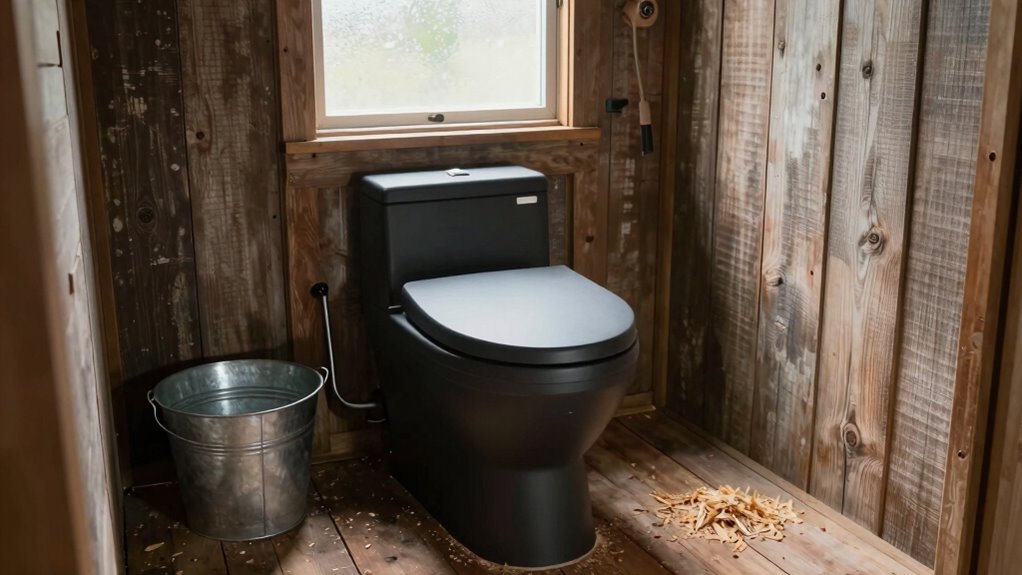
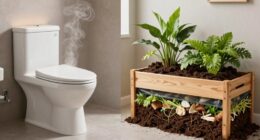
Living off the grid in a tiny home means you need efficient, sustainable solutions for everyday needs—especially when it comes to toilets. Traditional flush toilets use a lot of water, which isn’t practical when you’re relying on limited water sources. That’s where low-water toilet options come in, offering eco-friendly ways to handle waste without draining your resources. One popular choice is composting systems, which turn human waste into compost through aerobic decomposition. These systems are designed for off-grid living because they don’t require water to operate, making them ideal for tiny homes. They work by separating liquids from solids, often with a specially designed seat or container, allowing waste to decompose naturally over time. With proper maintenance, composting toilets can be odor-free and produce soil that’s safe for garden use—if you follow guidelines carefully, they become a sustainable and self-contained solution. composting systems provide a natural, sustainable process that can even produce usable compost, contributing to a circular resource model. Additionally, advancements in eco-friendly waste management have improved the efficiency and odor control of these systems, making them more accessible for off-grid living. Incorporating innovative waste solutions can further enhance the comfort and functionality of off-grid tiny homes. Furthermore, ongoing research in sustainable sanitation continues to develop new methods that improve hygiene and ease of use in off-grid environments. Exploring alternative waste disposal methods can also expand your options for maintaining hygiene while conserving resources.
Chemical alternatives are another option when considering low-water toilets. Instead of water, these systems use environmentally friendly chemicals or natural agents to control odors and facilitate waste breakdown. Many chemical alternatives are formulated to be biodegradable and non-toxic, reducing environmental impact. They work by neutralizing smells and aiding in the decomposition process, making them convenient and low-maintenance. These systems often consist of a small tank or container that you fill with the chemical solution, and they can be installed in a variety of small spaces. When choosing chemical alternatives, it’s important to select options that are safe for both the environment and your health. Many products on the market are specifically designed for off-grid or low-water use, offering a practical alternative to traditional flushing toilets.
Both composting systems and chemical alternatives provide efficient, eco-friendly ways to manage waste in a tiny home setting. They help reduce water usage while maintaining hygiene and odor control. With composting toilets, you get a natural, sustainable process that can even produce usable compost, whereas chemical alternatives offer a simple, low-maintenance solution with minimal setup. Your choice depends on your preferences, local regulations, and how much effort you want to put into maintenance. Either way, these options allow you to live comfortably off-grid without sacrificing convenience or environmental responsibility. They enable you to uphold a minimalist lifestyle while respecting the planet’s limited resources—making your tiny home truly sustainable.
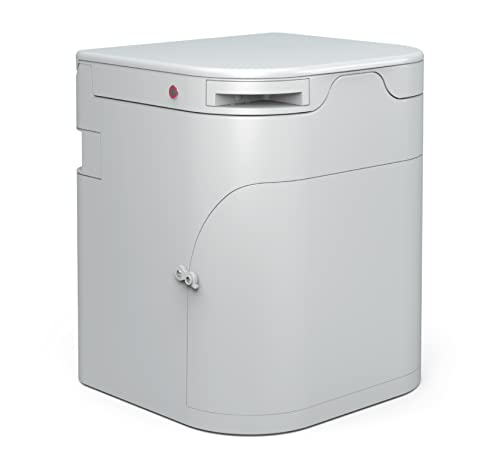
OGO Origin Composting Toilet – 12V Electric Agitator, Urine Diverting RV Toilet for Van Life, Tiny Home & Boat – 15" Compact, Odorless Off-Grid Toilet, No Black Tank
SMALLEST FOOTPRINT FOR TIGHT BUILDS (15"x16") Designed for Sprinter/Transit vans, tiny homes & boats where space is everything….
As an affiliate, we earn on qualifying purchases.
As an affiliate, we earn on qualifying purchases.
Frequently Asked Questions
How Often Do Low-Water Toilets Require Cleaning?
You should clean your low-water toilet about once a week to maintain odor control and guarantee proper flushing mechanisms. Regular cleaning prevents buildup and odor issues, especially in off-grid tiny living situations. Use mild disinfectants and brush the bowl thoroughly. If you notice persistent odors or flushing problems, clean more frequently. Proper maintenance keeps your toilet functioning smoothly, reduces odors, and extends its lifespan in your off-grid setup.
Are Low-Water Toilets Suitable for Cold Climates?
Yes, low-water toilets can be suitable for cold climates, but you need to address insulation challenges. Cold weather can cause the water in the bowl or pipes to freeze, so you should insulate the toilet and its plumbing thoroughly. Using heated pads or an insulated enclosure helps maintain proper function. With proper insulation and precautions, low-water toilets work well even in colder environments, ensuring reliable waste management off-grid.
What Maintenance Do Low-Water Toilets Need?
You need to regularly check for clogs and clean the bowl and components to guarantee ideal water flow. It’s also important to inspect seals and connections for leaks, which helps maintain water conservation efforts. Using eco-friendly cleaning products minimizes environmental impact. Overall, low-water toilets require minimal maintenance but staying attentive ensures they operate efficiently, conserving water, and reducing your ecological footprint.
Can Low-Water Toilets Handle Solid Waste Efficiently?
You might think low-water toilets can’t handle solid waste efficiently, but research shows they can, especially with proper waste composting and odor control methods. These toilets use minimal water to flush waste into a separate chamber, where it decomposes safely. Regular maintenance guarantees waste composts properly, reducing odors and preventing clogs. With the right setup, low-water toilets are a reliable, eco-friendly solution for off-grid tiny living.
What Are the Initial Installation Costs for These Toilets?
Initial installation costs for low-water toilets vary based on the model and eco-friendly materials used, typically ranging from $300 to $1,000. You might face some installation challenges, especially in off-grid settings, like ensuring proper venting and wastewater management. While the upfront expense is higher, these toilets save water and reduce environmental impact, making them a worthwhile investment for tiny living. Proper planning can help minimize installation hurdles.

Laveo Dry Flush Toilet – Waterless, Portable, Self Contained and Easier to Use than an Incinerating or Composting Toilet. Great for Tiny Homes, Vans, Boats, Camping, RVs and Off Grid, LDPE, White
What's Included – Every Dry Flush Waterless Toilet comes with a Battery and Charger, Cable, 2 Cartridges and…
As an affiliate, we earn on qualifying purchases.
As an affiliate, we earn on qualifying purchases.
Conclusion
When choosing a low-water toilet for off-grid tiny living, remember that sustainability isn’t just about conserving water—it’s about creating a balanced ecosystem. While some believe composting toilets are the ultimate eco-solution, others argue they require more maintenance than expected. By exploring your specific needs and understanding the environmental impact, you can find a system that truly harmonizes with your off-grid lifestyle. Ultimately, the right choice empowers you to live sustainably without sacrificing comfort or convenience.
OGO Origin Composting Toilet – 12V Electric Agitator, Urine Diverting RV Toilet for Van Life, Tiny Home & Boat – 15" Compact, Odorless Off-Grid Toilet, No Black Tank
SMALLEST FOOTPRINT FOR TIGHT BUILDS (15"x16") Designed for Sprinter/Transit vans, tiny homes & boats where space is everything….
As an affiliate, we earn on qualifying purchases.
As an affiliate, we earn on qualifying purchases.
Laveo Dry Flush Toilet – Waterless, Portable, Self Contained and Easier to Use than an Incinerating or Composting Toilet. Great for Tiny Homes, Vans, Boats, Camping, RVs and Off Grid, LDPE, White
What's Included – Every Dry Flush Waterless Toilet comes with a Battery and Charger, Cable, 2 Cartridges and…
As an affiliate, we earn on qualifying purchases.
As an affiliate, we earn on qualifying purchases.