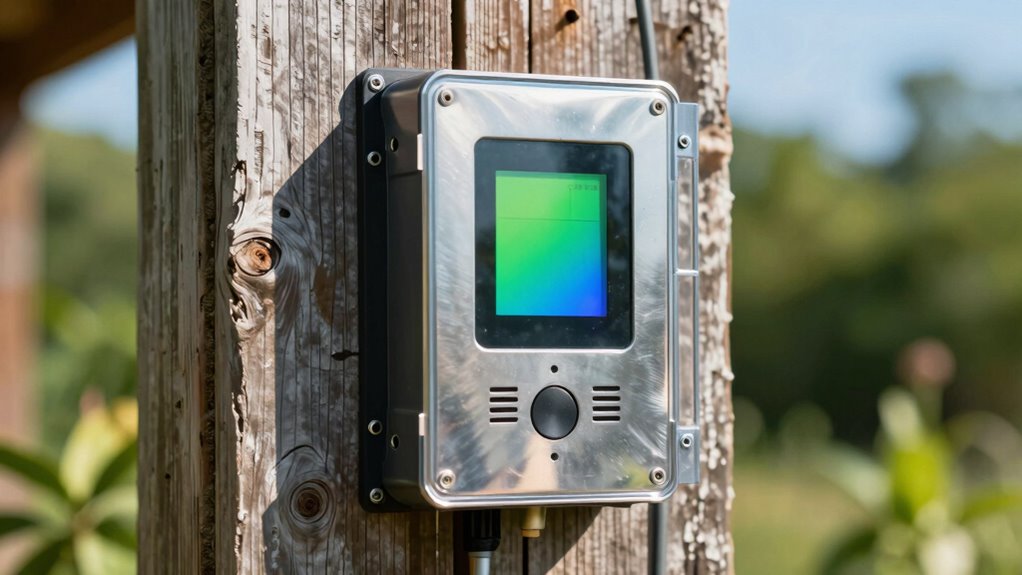

Choosing the right solar charge controller for a tiny house involves balancing efficiency, ease of installation, and affordability. The best overall pick, the Victron Energy SmartSolar MPPT, offers high efficiency and smart features, ideal for those who want reliable performance. For more budget-conscious buyers, the SOLPERK Waterproof Controller provides solid basic functionality with waterproofing for outdoor setups. If you’re looking for a versatile, feature-rich option, the 30A PWM with Bluetooth combines user-friendly controls with advanced load modes. The main tradeoffs include balancing cost versus advanced features and choosing between MPPT and PWM technology. Keep reading for a detailed breakdown to find the best fit for your tiny house solar system.

Get compact home essentials delivered free with Prime
- Fast, free delivery on millions of items
- Prime Video, Amazon Music and more included
- Member-only deals all year
Key Takeaways
- Top-performing MPPT controllers like Victron Energy stand out for efficiency, especially in variable sunlight conditions.
- PWM controllers often offer better value for smaller systems but may sacrifice some efficiency compared to MPPT options.
- Built-in features like Bluetooth and LCD displays significantly improve usability, especially for DIY tiny house setups.
- Waterproofing and durability are essential for outdoor installations, influencing long-term reliability.
- Choosing the right amperage rating is critical to match your system’s power needs without overspending.
| Victron Energy SmartSolar MPPT Solar Charge Controller 75V, 15A, 12/24V |  | Best Overall | Brand: Victron Energy | Model: MPPT 75|15 | Voltage: 12/24V | VIEW ON AMAZON | See Our Full Breakdown |
| SOLPERK 10A Waterproof Solar Charge Controller for 12V/24V Systems |  | Best Budget Waterproof PWM | Max Power (12V): 150W | Max Power (24V): 300W | Current: 10A | VIEW ON AMAZON | See Our Full Breakdown |
| Anern 30A Solar Charge Controller 12V/24V PWM Regulator with LCD & USB |  | Best for Battery Monitoring & USB Charging | Model: US-SC30A | Voltage: 12V/24V | Current: 30A | VIEW ON AMAZON | See Our Full Breakdown |
| 30A PWM Solar Charge Controller with Bluetooth, USB Port, and 7 Load Modes for 12V/24V Batteries |  | Best Wireless Monitoring & Load Control | Rated charging current: 30A | Rated load current: 20A | System voltage: 12V/24V auto matching | VIEW ON AMAZON | See Our Full Breakdown |
| Voltset 12V Solar Charge Controller 10A with LED Indicators |  | Best for Simplicity and Outdoor Durability | Voltage: 12V | Current: 10A | Protection: IP67 waterproof, over-voltage, under-voltage, overload, short-circuit, overcharge, reverse-polarity | VIEW ON AMAZON | See Our Full Breakdown |
| PWM Solar Charge Controller 12V 20A for LiFePO4, AGM, Gel Battery |  | Best Overall for Small 12V Solar Setups | Voltage: 12V | Current: 20A | Battery Compatibility: LiFePO4, AGM, Gel | VIEW ON AMAZON | See Our Full Breakdown |
| [Upgraded] 30A PWM Solar Charge Controller with LCD Display | 30A PWM Solar Charge Controller with LCD Display” image=”https://m.media-amazon.com/images/I/61X-SqtN05L._AC_SX300_SY300_QL70_FMwebp_.jpg” link=”0″] | Best for Versatile Lead-Acid Battery Systems | Model: 30A PWM Solar Charge Controller | Voltage Compatibility: 12V/24V auto-adaptation | Battery Type: Lead-acid (including open, sealed, colloid) | VIEW ON AMAZON | See Our Full Breakdown |
| 12V 20A PWM Solar Charge Controller with LCD for LiFePO4, AGM, Gel Batteries |  | Best for Multi-Type Battery Compatibility | Voltage: 12V | Current: 20A | Supported Battery Types: LiFePO4, AGM, Gel | VIEW ON AMAZON | See Our Full Breakdown |
| Renogy Wanderer 10A PWM Solar Charge Controller 12/24V |  | Best for Compact, Multi-Use Tiny House Systems | Max Current: 10A | Voltage Compatibility: 12V/24V | Features: 4-stage charging, LCD display, Bluetooth, USB | VIEW ON AMAZON | See Our Full Breakdown |
| SUNAPEX MPPT Solar Charge Controller 12V 10A for LiFePO4, AGM, Gel Batteries |  | Best for Portable, High-Precision Solar Management | Voltage: 12V | Current: 10A | Battery Types Supported: LiFePO4, AGM, Gel | VIEW ON AMAZON | See Our Full Breakdown |
| solar charge controller for tiny house | Current | Voltage | Protection Features |
|---|---|---|---|
| Victron Energy SmartSolar MPPT | 15A | 12/24V | — |
| SOLPERK 10A Waterproof Solar C | 10A | — | — |
| Anern 30A Solar Charge Control | 30A | 12V/24V | Overcurrent, overload, open circuit, reverse polarity |
| 30A PWM Solar Charge Controlle | — | — | — |
| Voltset 12V Solar Charge Contr | 10A | 12V | — |
| PWM Solar Charge Controller 12 | 20A | 12V | Overcharge, Over-voltage, Reverse Current, Reverse Polarity, Short-Circuit, Over-temperature |
| [Upgraded] 30A PWM Solar Charg | — | — | Overcurrent, short-circuit, open-circuit, inverse, low voltage, overcharge |
| 12V 20A PWM Solar Charge Contr | 20A | 12V | Overcharge, over-voltage, short-circuit, reverse polarity, over-temperature, anti-leakage |
| Renogy Wanderer 10A PWM Solar | — | — | — |
| SUNAPEX MPPT Solar Charge Cont | 10A | 12V | Overcharge, over-voltage, reverse current, reverse polarity, short-circuit, over-temperature |
More Details on Our Top Picks
Victron Energy SmartSolar MPPT Solar Charge Controller 75V, 15A, 12/24V
This Victron Energy model stands out for its highly efficient MPPT technology, which maximizes power harvest even in shaded or variable sunlight conditions — a key advantage over PWM controllers like the Anern 30A. Its Bluetooth connectivity simplifies monitoring and adjustments without needing additional hardware, making it ideal for those who prefer remote system management. While it offers synchronized charging and intelligent load management, the lack of explicit warranty details means potential buyers should verify support options. Overall, this controller is best suited for tiny house owners who want reliable, high-performance solar optimization with smart monitoring capabilities.
Pros:- Efficient MPPT technology maximizes power output in shaded conditions
- Bluetooth connectivity allows easy remote monitoring and configuration
- Synchronized charging improves overall system performance
- Intelligent load management prevents battery over-discharge
Cons:- Warranty details are not specified, which may concern some buyers
- Requires compatible solar panels and some setup knowledge
Best for: Tiny house owners who need maximum efficiency and remote monitoring for their solar setup
Not ideal for: Beginners who prefer plug-and-play simplicity without configuring Bluetooth or understanding MPPT technology
- Brand:Victron Energy
- Model:MPPT 75|15
- Voltage:12/24V
- Maximum Voltage:75V
- Current:15A
- Connectivity:Bluetooth
- Warranty:Not specified
Our verdict“This high-end MPPT controller is ideal for experienced users seeking optimal energy harvesting and remote control features.”
SOLPERK 10A Waterproof Solar Charge Controller for 12V/24V Systems
The SOLPERK 10A PWM controller offers solid outdoor durability with its IP67 waterproof rating, making it suitable for rugged tiny house applications exposed to the elements. Compared with the Anern 30A model, it provides a more affordable solution for small systems, though it sacrifices current capacity and advanced features. Its plug-and-play design and basic LED indicators simplify installation, but the limited 10A current might restrict expansion or higher wattage panels. This pick is best for tiny house owners with modest solar arrays who prioritize outdoor resilience over system scalability.
Pros:- IP67 waterproof rating ensures outdoor durability
- Simple installation with SAE plug connection
- Effective protection functions extend battery life
- Affordable price point for small systems
Cons:- Limited to 10A current, restricting system capacity
- Basic LED indicators lack detailed diagnostics
Best for: Owners with small, 12V/24V systems looking for a durable, weatherproof controller on a budget
Not ideal for: Those planning larger solar setups or needing detailed diagnostics, as it cannot handle high power or complex monitoring
- Max Power (12V):150W
- Max Power (24V):300W
- Current:10A
- Waterproof Rating:IP67
- Voltage Compatibility:12V/24V
- Battery Types:AGM, GEL, Flooded
Our verdict“This waterproof PWM controller is a reliable, budget-friendly choice for small outdoor solar setups in tiny houses.”
Anern 30A Solar Charge Controller 12V/24V PWM Regulator with LCD & USB
The Anern 30A PWM controller provides a good balance of capacity and features, including a clear LCD display that outperforms basic LED indicators like those on the Voltset. It supports multiple battery types and offers efficient 3-stage charging, making it suitable for lead-acid batteries in tiny house systems. However, its lack of wireless connectivity and focus on lead-acid batteries limit its appeal for those using lithium or seeking remote management. This device makes sense for users who prioritize straightforward monitoring and reliable charging without the complexity of apps or high current demands.
Pros:- Efficient 3-stage PWM charging extends battery lifespan
- Large LCD display for easy system monitoring
- Supports multiple lead-acid battery types
- Multiple protection modes for safety
Cons:- Limited to lead-acid batteries, excluding lithium options
- No wireless or app-based monitoring
- Installation and setup require some knowledge
Best for: Tiny house owners with lead-acid batteries who want a simple, reliable controller with visual monitoring
Not ideal for: Users with lithium batteries or those desiring remote control features, since it lacks wireless connectivity
- Model:US-SC30A
- Voltage:12V/24V
- Current:30A
- Battery Types:Lead-acid (OPEN, AGM, GEL)
- USB Ports:2 (5V/2A each)
- Protection Features:Overcurrent, overload, open circuit, reverse polarity
Our verdict“This controller will satisfy users seeking a straightforward, visual approach to managing lead-acid batteries in small solar setups.”
30A PWM Solar Charge Controller with Bluetooth, USB Port, and 7 Load Modes for 12V/24V Batteries
This 30A PWM controller excels in offering wireless monitoring and flexible load management, making it a strong choice for tech-savvy tiny house owners. Its ability to automatically detect battery types and support multiple configurations reduces setup complexity compared to the Anern or Voltset models. The Bluetooth app enables real-time system adjustments and diagnostics, though the reliance on a smartphone app could be a barrier for users who prefer traditional displays. Its 7 load modes provide tailored control, ideal for those with diverse energy needs. This pick suits owners who want advanced control without stepping into full MPPT territory.
Pros:- Supports wireless monitoring via Bluetooth app
- Compatible with multiple battery types including LiFePO4
- Includes 7 load modes for versatile control
- Built-in protections against electrical faults
Cons:- Requires a smartphone app for full features
- Limited to 30A current capacity
- Installation may require some technical knowledge
Best for: Owners wanting smartphone-based system management and flexible load options in a 12V/24V system
Not ideal for: People uncomfortable with app-based monitoring or those needing higher current capacity, as it’s limited to 30A
- Rated charging current:30A
- Rated load current:20A
- System voltage:12V/24V auto matching
- Maximum photovoltaic voltage:50V
- USB output:5V/1.5A
- Self-consumption:<0.2W
- Dimensions:4.5″ x 3.7″ x 1.2″
- Weight:0.51 lb
Our verdict“This controller is a smart choice for tiny house owners seeking remote management and flexible load settings without high current demands.”
Voltset 12V Solar Charge Controller 10A with LED Indicators
The Voltset 12V controller makes a practical choice for outdoor tiny house applications with its IP67 waterproof rating and straightforward LED indicators. Its compatibility with multiple battery types, including LiFePO4, AGM, and GEL, offers versatility for different energy setups. Compared to the SOLPERK, it provides a more robust waterproof design but falls short on current capacity, making it suitable primarily for small-scale solar arrays. Installation is simplified thanks to color-coded terminals, but the absence of a digital display limits real-time monitoring. This device targets users who prefer durability and straightforward operation over advanced features.
Pros:- Supports multiple battery types including LiFePO4, AGM, GEL
- IP67 waterproof rating enhances outdoor durability
- Easy installation with color-coded terminals
- Provides comprehensive protection against common issues
Cons:- Limited to 10A current, restricting larger systems
- No detailed digital display for active monitoring
Best for: Outdoor tiny house owners with small, 12V systems needing a durable, simple controller
Not ideal for: Large systems or those requiring detailed digital monitoring, as it is limited to 10A and basic indicators
- Voltage:12V
- Current:10A
- Protection:IP67 waterproof, over-voltage, under-voltage, overload, short-circuit, overcharge, reverse-polarity
- Compatibility:LiFePO4, AGM, GEL
- Indicators:Tri-color LEDs
Our verdict“This reliable waterproof controller is best suited for small outdoor solar setups in tiny houses where durability and simplicity are priorities.”
PWM Solar Charge Controller 12V 20A for LiFePO4, AGM, Gel Battery
This controller stands out for its upgraded 20A PWM technology, which delivers faster and more stable charging for systems under 300W, making it ideal for tiny house solar arrays. Its intuitive LCD display offers real-time system monitoring, surpassing the simplicity of the Renogy Wanderer’s basic interface. The comprehensive safety protections—including overcharge, reverse polarity, and over-temperature—ensure reliable operation, but it’s limited to 12V batteries and under 300W panels, which could restrict larger setups. Compared to the SUNAPEX MPPT, this model’s PWM technology is less efficient at harvesting power but easier to install and more affordable. If your tiny house has a modest, 12V battery system with panels below 300W, this controller provides a reliable, straightforward solution.
Pros:- Faster, stable charging with upgraded 20A PWM technology
- Real-time LCD display for system monitoring
- Robust safety protections for reliable operation
- Dual USB ports for device charging
Cons:- Limited to 12V battery systems, not suitable for 24V or higher
- Supports only up to 300W panel capacity
- No polarity converter included, requiring correct wiring
Best for: Tiny house owners with small, 12V battery banks and solar arrays under 300W who prioritize ease of use and safety.
Not ideal for: Those with larger or 24V systems, or plans for expansion beyond 300W, since this controller isn’t compatible.
- Voltage:12V
- Current:20A
- Battery Compatibility:LiFePO4, AGM, Gel
- Maximum Panel Power:300W
- Dimensions:7.09 x 4.13 x 1.18 inches
- Protection Features:Overcharge, Over-voltage, Reverse Current, Reverse Polarity, Short-Circuit, Over-temperature
Our verdict“This controller is a solid choice for small-scale 12V tiny house solar setups requiring reliable, straightforward charge management.”
[Upgraded] 30A PWM Solar Charge Controller with LCD Display
30A PWM Solar Charge Controller with LCD Display” image=”https://m.media-amazon.com/images/I/61X-SqtN05L._AC_SX300_SY300_QL70_FMwebp_.jpg” link=”0″]Best for Versatile Lead-Acid Battery Systems
View on AmazonThis 30A PWM controller balances capacity and ease of use, automatically adjusting between 12V and 24V systems, making it suitable for tiny houses with flexible battery types. Its LCD display provides clear, real-time info, similar to the SUNAPEX but with a slightly higher current capacity. It’s designed primarily for lead-acid batteries, including sealed and colloid types, unlike the SUNAPEX or Victron, which support lithium options. Its multiple safety protections extend battery life, but installation can be tricky due to the need for careful wiring order. Compared to the Renogy Wanderer, this model offers a higher current capacity but lacks Bluetooth remote monitoring. If your tiny house has a lead-acid system with 12V or 24V, this controller offers a good mix of capacity and monitoring features.
Pros:- Automatic voltage adaptation for 12V and 24V systems
- Clear LCD display for real-time system monitoring
- Multiple safety protections for extended battery life
- Capable of handling up to 30A current
Cons:- Limited to lead-acid batteries, not suitable for lithium
- Requires careful wiring during installation to avoid damage
- Lacks Bluetooth for remote monitoring
Best for: Tiny house owners with lead-acid batteries needing a 30A controller that adapts to 12V/24V systems and requires real-time monitoring.
Not ideal for: Users with lithium batteries or systems exceeding 24V, as this controller isn’t compatible with higher voltage systems or lithium chemistry.
- Model:30A PWM Solar Charge Controller
- Voltage Compatibility:12V/24V auto-adaptation
- Battery Type:Lead-acid (including open, sealed, colloid)
- USB Output:5V/2.5A
- Protection Features:Overcurrent, short-circuit, open-circuit, inverse, low voltage, overcharge
- Guarantee:12 months
Our verdict“This controller suits tiny houses with lead-acid batteries seeking a higher capacity PWM solution with easy monitoring.”
12V 20A PWM Solar Charge Controller with LCD for LiFePO4, AGM, Gel Batteries
This 12V controller excels at supporting various battery chemistries, including LiFePO4, AGM, and Gel, offering flexibility for tiny house solar systems. Its real-time LCD display enhances monitoring, similar to the other 12V controllers, but with support for fast device charging via built-in USB ports. Compared to the B0G4VHPDR1, this model explicitly supports anti-leakage features and offers a straightforward installation. However, it’s limited to 12V systems and supports only up to 300W panels, making it less suitable for larger setups. The inclusion of multiple safety protections matches the reliability of other models, but the lack of detailed specs like dimensions may complicate installation in tight spaces. It’s a practical choice for small, flexible battery setups in tiny houses.
Pros:- Supports multiple battery types including LiFePO4, AGM, and Gel
- Real-time LCD display for monitoring
- Supports fast device charging through USB ports
- Includes safety protections like overcharge and reverse polarity
Cons:- Limited to 12V batteries, not suitable for higher voltages
- Supports only up to 300W solar panels
- No detailed dimensions provided, which could affect installation
Best for: Tiny house owners with 12V battery systems and multiple chemistry types seeking versatile, safe charge control.
Not ideal for: Those with 24V or larger systems, or needing support for panels over 300W, since this model’s capacity is limited.
- Voltage:12V
- Current:20A
- Supported Battery Types:LiFePO4, AGM, Gel
- Maximum Solar Panel Power:300W
- Display:LCD
- Protection Features:Overcharge, over-voltage, short-circuit, reverse polarity, over-temperature, anti-leakage
Our verdict“This controller provides flexible, safe management for small 12V battery arrays with multiple chemistries in tiny house setups.”
Renogy Wanderer 10A PWM Solar Charge Controller 12/24V
The Renogy Wanderer offers a compact, 10A PWM solution that emphasizes efficient 4-stage charging, helping extend battery life, especially for small, diverse tiny house systems. Its remote Bluetooth monitoring adds convenience, although the limited 10A capacity may restrict larger arrays or battery banks. Compared with the 20A controllers, this model’s smaller current output makes it better suited for tiny systems with modest power needs. Its IP32 waterproof rating provides outdoor durability, but the LCD display’s visibility can suffer in bright sunlight, which may be a drawback in sunny tiny house locations. If your system remains under 10A and you need remote control, this controller makes an excellent space-saving choice.
Pros:- Efficient 4-stage charging maximizes battery lifespan
- Remote Bluetooth monitoring enhances usability
- Compact size fits tight spaces
- IP32 waterproof rating for outdoor use
Cons:- Limited to 10A current, not suitable for larger systems
- Requires separate Bluetooth module for remote access
- LCD display may be hard to read in bright sunlight
Best for: Tiny house owners with small, 12V or 24V batteries, seeking a compact, efficient charge controller with remote monitoring capabilities.
Not ideal for: Systems larger than 10A or requiring higher current capacity, as the controller’s limits could bottleneck your setup.
- Max Current:10A
- Voltage Compatibility:12V/24V
- Features:4-stage charging, LCD display, Bluetooth, USB
- Waterproof Rating:IP32
- Dimensions:5.2 x 3.1 inches
- Battery Types:AGM, Gel, Flooded, Lithium
Our verdict“This is an ideal small-scale, remotely monitored controller for tiny house systems under 10A with modest power demands.”
SUNAPEX MPPT Solar Charge Controller 12V 10A for LiFePO4, AGM, Gel Batteries
The SUNAPEX MPPT controller stands out for its smart four-stage charging and MPPT technology, capturing more energy from panels than PWM models like the Voltset or Anern. Its support for LiFePO4, AGM, and Gel batteries offers versatility for tiny house systems, particularly portable ones. The dual USB and Type-C outputs make device charging straightforward, and extensive safety protections assure secure operation. However, as a 10A unit, it’s less suitable for larger arrays or higher current needs compared to the 20A or 30A options. Its compact design and real-time monitoring make it perfect for small, portable setups, but it lacks detailed specs like dimensions or advanced remote features found in some higher-end controllers. Overall, this controller provides high efficiency in a small package for modest, portable tiny house solar systems.
Pros:- Supports multiple battery types including LiFePO4, AGM, and Gel
- High-efficiency MPPT technology captures more power
- Dual USB and Type-C ports for device charging
- Real-time monitoring with LCD and LED indicators
Cons:- Limited to 10A current, restricting larger system capacity
- No detailed dimensions provided, potentially complicating space planning
- Requires correct wiring due to no polarity converter
Best for: Tiny house owners with portable, 12V systems up to 10A, seeking high-efficiency MPPT performance and multi-battery compatibility.
Not ideal for: Systems over 10A or larger, fixed installations where higher current capacity is needed, since this controller’s limit is 10A.
- Voltage:12V
- Current:10A
- Battery Types Supported:LiFePO4, AGM, Gel
- Protection Features:Overcharge, over-voltage, reverse current, reverse polarity, short-circuit, over-temperature
- Outputs:Type-C, USB
- Dimensions:Not specified
Our verdict“This MPPT controller is well-suited for portable tiny house solar setups under 10A that need efficient power harvesting and flexible battery support.”

How We Picked
I evaluated each solar charge controller based on performance, ease of installation, build quality, and value for tiny house applications. Priority was given to units with reliable MPPT or PWM technology, user-friendly features like LCD screens or Bluetooth, and appropriate amperage ratings for small-scale systems. Cost-effectiveness and durability also played key roles, especially for outdoor use. The ranking reflects a balance between advanced features and accessibility, ensuring options suit different budgets and technical skills. Products that excelled in versatility and long-term reliability earned higher positions, while those with significant drawbacks were rated lower.| solar charge controller for tiny house | Protection Features |
|---|---|
| Victron Energy SmartSolar MPPT | — |
| SOLPERK 10A Waterproof Solar C | — |
| Anern 30A Solar Charge Control | Overcurrent, overload, open circuit, reverse polarity |
| 30A PWM Solar Charge Controlle | — |
| Voltset 12V Solar Charge Contr | — |
| PWM Solar Charge Controller 12 | Overcharge, Over-voltage, Reverse Current, Reverse Polarity, Short-Circuit, Over-temperature |
| [Upgraded] 30A PWM Solar Charg | Overcurrent, short-circuit, open-circuit, inverse, low voltage, overcharge |
| 12V 20A PWM Solar Charge Contr | Overcharge, over-voltage, short-circuit, reverse polarity, over-temperature, anti-leakage |
| Renogy Wanderer 10A PWM Solar | — |
| SUNAPEX MPPT Solar Charge Cont | Overcharge, over-voltage, reverse current, reverse polarity, short-circuit, over-temperature |
Factors to Consider When Choosing Solar Charge Controller For Tiny House
When selecting a solar charge controller for a tiny house, understanding key factors helps avoid common pitfalls. The right controller maximizes energy harvest, simplifies setup, and offers room for future expansion. Tiny house systems vary widely, so choosing a compatible, scalable, and durable controller is essential to prevent system failures or inefficiencies. This guide covers important considerations beyond specs, focusing on practical tradeoffs and how to align your choice with your energy needs and technical comfort.Technology Type: MPPT vs. PWM
MPPT controllers are generally more efficient, especially in fluctuating sunlight, making them ideal for maximizing energy in small, variable environments like tiny houses. PWM controllers are simpler and typically less expensive, suitable for smaller or less complex systems. Consider your budget and whether you prioritize energy efficiency or straightforward operation. An MPPT controller may cost more upfront but can save you money over time through better energy capture, while PWM is a reliable choice for basic setups with limited budget.
Current and Voltage Ratings
Matching your controller’s amperage and voltage ratings to your battery bank and solar array prevents overloads or underperformance. Oversized controllers can be costly and underused, while undersized ones risk system shutdowns or damage. For tiny houses, a 10A to 30A controller usually suffices, but always check your system’s total wattage and voltage. Proper sizing ensures longevity and optimal energy flow, avoiding expensive replacements or system failures down the line.
Ease of Use and Features
Features like LCD displays, Bluetooth connectivity, and programmable load modes can enhance your experience, especially if you plan to monitor or fine-tune your system. However, more advanced features often come with increased complexity and cost. For DIY tiny house owners, intuitive controls and clear indicators reduce setup time and troubleshooting. Weigh the importance of usability against your technical comfort level to avoid frustration or missed maintenance opportunities.
Durability and Weather Resistance
Given the outdoor placement common in tiny house solar setups, waterproofing and rugged build quality are vital. A controller exposed to the elements must withstand moisture, dust, and temperature swings without failing. Investing in a weatherproof model or one with a sturdy enclosure can prevent costly replacements. Remember, a durable controller not only lasts longer but also maintains performance in diverse conditions.
Scalability and Future Expansion
If you anticipate adding more solar panels or battery capacity later, choose a controller that can handle increased load or has multiple input channels. Some units support expansion, which can save you from replacing equipment as your energy needs grow. Small systems should focus on current requirements, but thinking ahead can prevent bottlenecks and additional costs down the line—an important consideration for long-term tiny house living.
Frequently Asked Questions
Can I use an MPPT controller for a small tiny house solar setup?
Yes, MPPT controllers are well-suited for tiny house systems because they optimize energy harvest, especially in environments with variable sunlight. They tend to be more efficient than PWM controllers, which translates into better battery charging and longer system life. While MPPT units are usually more expensive, their efficiency gains can justify the higher initial investment, particularly if you want to maximize limited solar capacity.
Is a waterproof controller necessary for outdoor tiny house installations?
Waterproofing is highly recommended if your controller will be exposed to the elements. Outdoor setups are vulnerable to rain, humidity, and dust, which can damage sensitive electronics. Choosing a waterproof or weather-resistant model ensures your system remains reliable over time. If your controller is installed indoors or in a protected enclosure, water resistance may be less critical but still adds an extra layer of protection.
How do I determine the right size controller for my tiny house solar system?
Start by calculating your total solar array wattage and your battery bank’s voltage. A controller rated slightly above your maximum system output—typically by 20-30%—provides a safety margin and room for future expansion. For tiny houses, 10A to 30A controllers usually cover small to medium setups, but always match the specific ratings to your system’s needs. Proper sizing prevents overloading and ensures efficient charging.
Are Bluetooth-enabled controllers easy to use for beginners?
Bluetooth controllers can significantly simplify system monitoring and adjustments, especially for those new to solar setups. They allow you to view real-time data via smartphone apps, reducing the need for complex wiring or displays. However, initial setup and app configuration may require some technical familiarity. For beginners willing to learn, Bluetooth features offer a convenient way to keep tabs on system health and performance.
Should I prioritize features like LCD displays or Bluetooth over basic functionality?
Features like LCD displays and Bluetooth add convenience and improve system management, especially for those who want to monitor performance closely. However, they often come at a higher cost and complexity. If your priority is a simple, reliable charge controller for basic needs, a straightforward PWM model without extra features may suffice. For more advanced or future-proof setups, investing in a unit with these features can save time and effort.
Conclusion
For tiny house owners seeking straightforward, reliable performance, the Victron Energy SmartSolar MPPT stands out as the best overall choice, offering efficient energy harvesting and smart features. Budget-conscious buyers who prioritize durability and outdoor use should consider the SOLPERK Waterproof Controller, while those who want ease of monitoring may prefer the 30A PWM with Bluetooth. Beginners or those with simple systems will find a good match in basic PWM controllers, whereas more advanced users should look toward MPPT options for maximum efficiency. Ultimately, your choice depends on your budget, technical comfort, and future plans for expanding your tiny house solar setup.