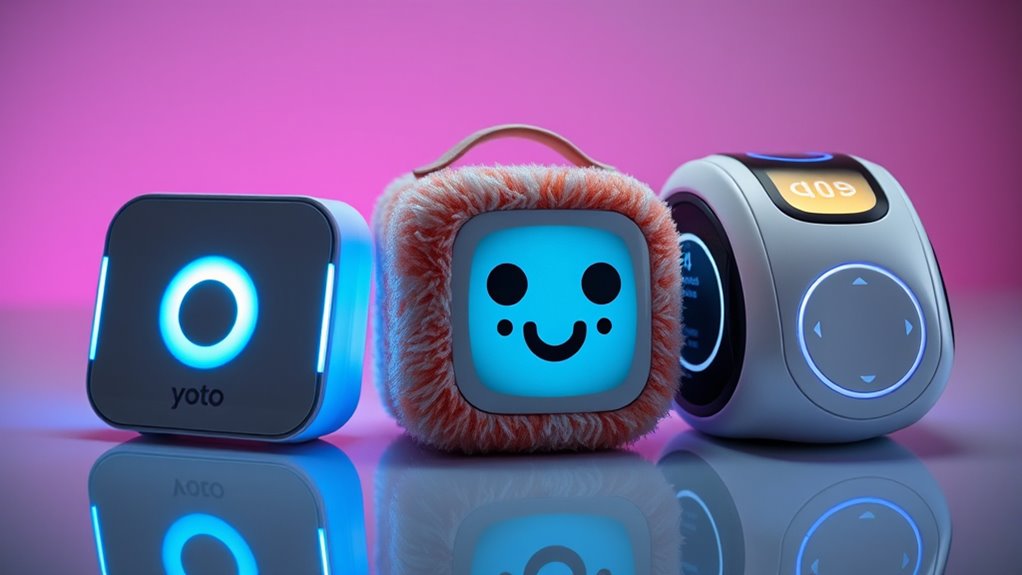

In 2025, choosing between the top Yoto players and Toniebox really depends on what you value most. I find Yoto offers more content flexibility with digital cards and a wider variety of genres, making it great for customization. Toniebox is simple and kid-friendly with physical figurines but less expandability. Both are durable and safe for children. Keep exploring, and you’ll discover which option fits your child’s needs best.
Key Takeaways
- Yoto offers extensive digital content customization with over 1,000 cards, while Toniebox relies on physical figurines for content expansion.
- Both devices prioritize safety and durability, but Yoto’s digital library provides more varied genres for growing children.
- Ease of use favors Toniebox’s tactile figurines and simple app controls; Yoto’s digital interface offers more content flexibility.
- Portability is comparable, with Yoto being lightweight and Toniebox featuring a durable, handle-equipped design for travel.
- In 2025, Yoto’s advanced digital features and content management may give it an edge for long-term engagement over Toniebox.
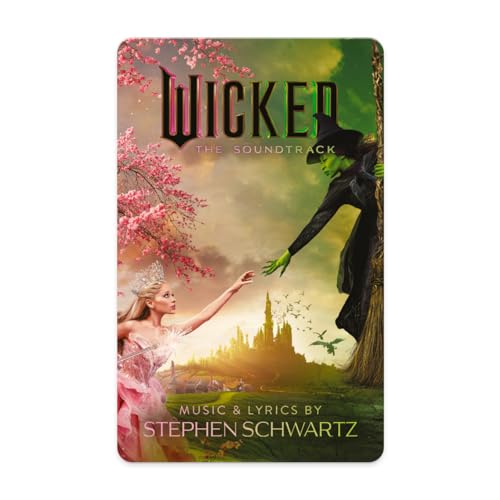
Yoto Wicked - Kids Audio Card for Use with Player & Mini All–in–1 Audio Player, Screen–Free Listening with Fun Festive Music for Playtime Travel & Holiday Parties, All Ages
WICKED: Experience the spellbinding magic of Wicked with a soundtrack that soars, enchants, and redefines the land of...
As an affiliate, we earn on qualifying purchases.
Yoto Wicked Kids Audio Card for Player & Mini All-in-1 Audio Player
The Yoto Wicked Kids Audio Card is perfect for parents looking for a screen-free, safe way to entertain and educate their children. I love how easy it is to use—just insert the card into the Yoto Player or Mini device, and it starts playing enchanting music and stories, like a magical journey through Oz. Each card offers about 56 minutes of immersive audio, and it’s all controlled with physical dials or the free app. Best of all, there are no screens, cameras, or ads, making it a secure, parent-controlled way for kids to enjoy a variety of content, from audiobooks to soundscapes.
Best For: parents seeking a safe, screen-free, and engaging audio entertainment solution for their children that promotes learning and imaginative play.
Pros:
- Easy to use—simply insert the card to start playing; remove to stop.
- Safe, parent-controlled content with no screens, cameras, or ads.
- Offers a diverse library of over 1000 cards including stories, music, activities, and soundscapes.
Cons:
- Limited to approximately 56 minutes of audio per card, which may require multiple cards for longer listening sessions.
- Requires a Yoto Player or Mini device (sold separately) for use.
- Only available in English, which might not suit non-English speaking families.
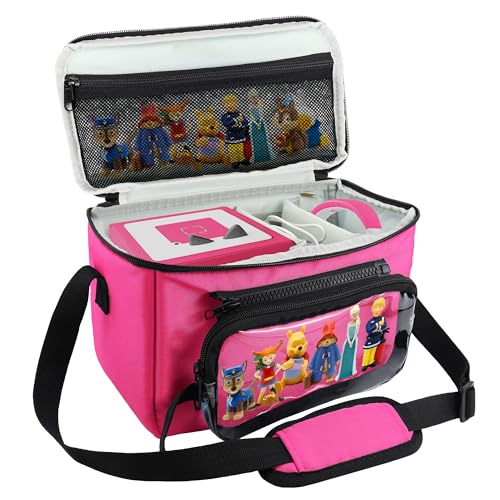
Annmore Carrying Case for Toniebox 1 and 2, with Compartment for Tonies Figures, Charger and Headphones, compatible with Yoto Player and Cards, Pink
Storage and transport bag compatible with Toniebox
As an affiliate, we earn on qualifying purchases.
Bag for Toniebox and Figures, Carrying Case Compatible with Yoto Player
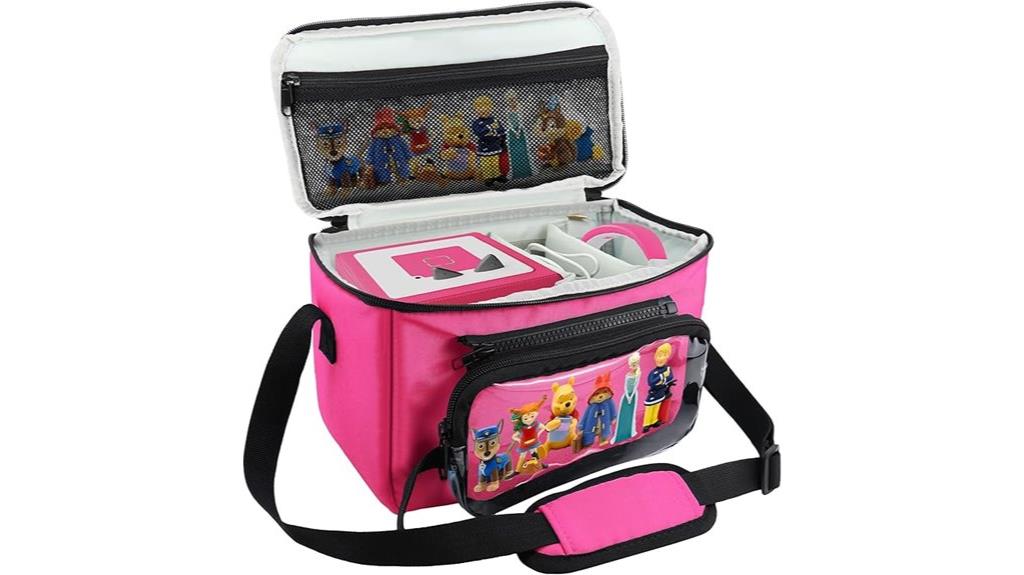
If you’re looking for a practical way to transport and organize your child’s audio devices and figures, a dedicated bag designed for Toniebox and compatible with Yoto Player can make a big difference. Made from 65% nylon and 35% polyester, this bag fits the Toniebox, charging dock, adapter, headphones, figures, and Yoto cards. It features customizable compartments with removable cut-offs and a transparent section to display Yoto cards. The adjustable shoulder strap and sturdy handle ensure easy portability. While sold separately, it offers convenient, organized storage for travel or daily use, keeping everything protected and accessible in one dedicated case.
Best For: parents and caregivers seeking a durable, organized, and portable solution for transporting their child’s Toniebox, figures, and Yoto cards.
Pros:
- Customizable compartments with removable cut-offs for tailored storage
- Includes a transparent display section for Yoto cards for easy identification
- Equipped with an adjustable shoulder strap and sturdy handle for convenient portability
Cons:
- Bag is sold separately and does not include the Toniebox or accessories
- Made from nylon and polyester, which may not appeal to those seeking eco-friendly materials
- Limited to compatibility with specific audio devices like Toniebox and Yoto Player

Yoto Mini (2024 Edition) + Starter Pack for Little Kids Bundle – Screen-Free Bluetooth Audio Player, All-in-1 Travel Device for Stories Music Podcasts Radio, Use as Speaker or with Headphones
STARTER PACK BUNDLE: Comes with a Yoto Mini (2024 Edition) and starter pack for little kids! Includes Row...
As an affiliate, we earn on qualifying purchases.
Yoto Mini 2024 Edition with Starter Pack for Kids

Parents seeking a safe, screen-free audio device that’s easy for kids to use will appreciate the Yoto Mini 2024 Edition with Starter Pack. This compact, Bluetooth-enabled player is simple to operate—just insert an audio card to start listening or remove it to stop. The device features a colorful pixel display that enhances stories and content visually. It offers up to 14 hours of entertainment per charge and includes a variety of preschool songs, sleepy stories, and activities. With no cameras, microphones, or ads, plus parental controls, it’s a secure choice. The starter pack provides diverse content, ensuring kids stay engaged and safe while exploring, learning, and having fun.
Best For: parents and caregivers seeking a safe, easy-to-use, screen-free audio device that fosters independent play and learning for young children.
Pros:
- Simple operation—insert or remove audio cards to control content.
- Parental controls and no cameras, microphones, or ads ensure a safe environment.
- Versatile functionality as a storyteller, alarm clock, Bluetooth speaker, and more.
Cons:
- Limited to the content available on audio cards unless creating custom content.
- Requires physical cards for content playback, which may be lost or damaged.
- The device’s screen, while enhancing content, may be less engaging for older children seeking more interactive features.
Factors to Consider When Choosing Yoto Player Vs Toniebox Review

When choosing between a Yoto Player and a Toniebox, I consider factors like content options, device compatibility, and ease of use. Safety, privacy, portability, and storage are also key to making the right choice. Let’s explore how these points can help you pick the best fit for your child.
Content Selection Options
Choosing between the Yoto Player and Toniebox often comes down to content options, which can substantially impact your child’s listening experiences. Yoto offers a vast library of over 1,000 cards, including audiobooks, music, podcasts, and soundscapes, giving kids a diverse range of choices. The cards are interchangeable, so you can easily curate content to match your child’s evolving interests. In contrast, Toniebox relies on physical figurines that trigger pre-loaded stories and songs, which means you need to purchase new figures for additional content. While both systems support expanding their libraries, Yoto’s digital card system provides a wider variety of genres and creative options, making it easier to customize and grow your child’s audio library over time.
Device Compatibility Features
Device compatibility features play a crucial role in how versatile and convenient each audio system is. For example, some devices support various audio content formats, expanding the range of cards or figures you can use, while others are more limited. Bluetooth connectivity is another key factor—certain models allow wireless control and playback, making setup easier, whereas others depend solely on physical card insertion. Compatibility with third-party accessories or custom content can also boost versatility, giving you more control over the experience. Additionally, parental control features may differ, affecting how easily you can manage content access across devices. Finally, the ability to connect to apps or external devices varies, influencing how seamlessly you can integrate the player into your existing tech setup.
Ease of Use Factors
Both the Yoto Player and Toniebox prioritize simplicity, making them easy for children and parents to operate without hassle. They mainly rely on inserting or removing audio cards to start or stop playback, which is intuitive and child-friendly. The Yoto Player and Mini also feature free apps that allow for easy control, customization, and content management from a smartphone or tablet. Physical controls like dials and buttons on each device enable quick volume adjustments and track changes without needing the app, adding convenience. Switching content involves ejecting one card and inserting another, a straightforward process suitable for kids. Additionally, visual displays on the Yoto Mini and tactile controls on both devices enhance usability, ensuring both children and parents can navigate effortlessly.
Safety and Privacy Measures
When evaluating the safety and privacy of the Yoto Player and Toniebox, it’s clear that both prioritize protecting children from online risks. Neither device includes cameras or microphones, and they avoid online tracking features, reducing exposure to external threats. Their privacy policies focus on limiting data collection to essential functions, ensuring minimal sharing of personal information. Parental controls are robust, allowing guardians to restrict content and prevent children from altering device settings without supervision. Additionally, both devices lack internet browsing and social media access, further safeguarding kids from online dangers. Regular firmware updates and security protocols are in place to address potential cybersecurity vulnerabilities, maintaining a safe environment. Overall, both prioritize safety, giving parents peace of mind when choosing between them.
Portability and Storage
Are you wondering how portable the Yoto Player and Toniebox really are for busy families on the go? Both devices are designed with portability in mind, but their size and weight matter. The Yoto Player is compact and lightweight, making it easy for kids to carry or place in a bag. The Toniebox, with its soft, boxy shape, also offers a handle for simple transport. Storage options are equally important—look for devices with built-in compartments or compatible cases that can securely hold figures, cards, and accessories. Some models feature removable or customizable storage solutions, which are great for organizing different content. Overall, both devices are durable, built with quality materials that can handle frequent travel and handling, ensuring they’re ready for adventures wherever you go.
Growth and Customization
Choosing a device that offers growth and customization options is essential for keeping your child engaged over time. A flexible device lets kids expand their content library and tailor entertainment to their evolving interests. Features like Make Your Own cards encourage creativity by letting children create personalized audio content, making playtime more interactive. Compatibility with various content types—like audiobooks, podcasts, soundscapes, and music—supports their developmental growth through diverse experiences. The ability to update or add new cards keeps the device fresh and relevant as preferences change. Additionally, customizable controls and personalized playlists help cater to individual learning styles and developmental needs. Overall, a device that adapts and grows with your child ensures sustained engagement and meaningful learning.
Frequently Asked Questions
How Do Battery Life and Charging Options Compare Between Yoto and Toniebox?
I find that the Yoto Player generally offers longer battery life than the Toniebox, making it ideal for extended use without frequent charging. Yoto’s rechargeable battery can last around 8-10 hours, while Toniebox typically lasts about 4-6 hours per charge. Charging options are straightforward for both—Yoto uses a USB-C cable, and Toniebox has a built-in rechargeable battery with a simple charging dock.
Which Device Offers Better Parental Controls and Content Management?
In my experience, the Yoto Player offers better parental controls and content management. I appreciate how I can easily customize playlists, set time limits, and approve new content remotely through the app. It gives me peace of mind knowing I can manage what my kids listen to without hassle. The Toniebox is simpler but doesn’t provide as many customizable options, making Yoto my preferred choice for control and safety.
Are There Differences in Audio Quality and Sound Customization Features?
Did you know that 85% of parents prioritize sound quality when choosing an audio player? I find that the Yoto Player offers richer audio with more customizable sound settings, which makes it more engaging for kids. The Toniebox, on the other hand, has simpler audio controls but still delivers clear sound. If sound quality and customization matter to you, I’d lean towards the Yoto Player for a better listening experience.
How Do Subscription Costs and Content Availability Differ?
I find that subscription costs and content availability differ quite a bit. The Yoto Player offers a monthly subscription with access to a broad library of stories, which can be cost-effective if your child loves variety. The Toniebox uses figurines to access specific content, so costs add up as you buy more Tonies. Content availability depends on your preferences, but both platforms provide plenty of engaging options for kids.
What Is the Durability and Warranty Coverage for Each Audio Player?
Did you know that 85% of parents say durability is key when choosing kids’ audio players? I found that the Yoto Player offers a solid one-year warranty, while the Toniebox also covers a year, but with options for extended coverage. Both are quite durable, but I recommend handling them with care. Ultimately, their warranties give peace of mind, making them reliable choices for everyday use.
Conclusion
So, which one truly comes out on top in 2025? Imagine your little one’s eyes lighting up as they choose their favorite stories, whether it’s the sleek Yoto Mini or the charming Toniebox. Each offers something special, but only one can be the ultimate winner. Curious to see how it all plays out? Stay tuned, because the decision might just surprise you—and your child—more than you expect.