
Many tiny house builders forget to include permit costs, utility hookups, and contingency funds in their budgets, which can lead to surprises and delays. You might also overlook expenses for site preparation, eco-friendly materials, and finishing touches like lighting and hardware. Planning ahead for these overlooked line items helps keep your project on track and within budget. If you’re interested, there’s more to take into account that can save you time and money.

Get compact home essentials delivered free — and shop member deals
- Fast, free delivery on millions of items
- Access to Prime Big Deal Days deals on October 6–7
- Prime Video, Amazon Music and more included
Key Takeaways
- Permit fees and local code compliance costs are often overlooked but essential for legal and smooth construction.
- Utility hookup charges for water, sewer, and electrical connections can significantly increase total expenses.
- Sustainable materials may have higher upfront costs but offer long-term savings and environmental benefits.
- Contingency funds of 10-15% are crucial for unforeseen issues like hidden damage or material shortages.
- Finishing touches such as lighting, hardware, and decor are frequently underestimated and can inflate the budget.
When planning a tiny house build, understanding the key budget line items can make or break your project’s success. It’s tempting to focus on major expenses like the trailer, appliances, or interior finishes, but several smaller, often overlooked costs can quickly add up if you’re not prepared. One of the most common hidden expenses is permit costs. Many people underestimate the importance of securing the right permits, assuming their tiny house is exempt from regulations. However, local building codes and zoning laws can require permits for things like foundation modifications, electrical wiring, or water connections. Failing to account for these costs early on can cause delays and unexpected expenses, derailing your budget and timeline. It’s vital to research your local regulations and include permit fees in your initial budget to avoid surprises.
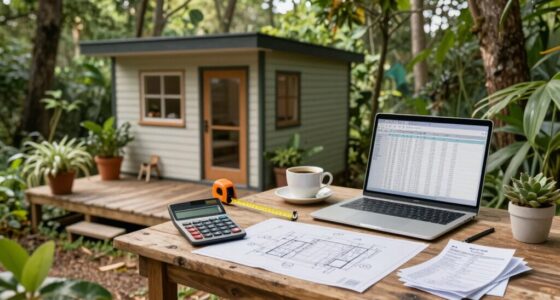
Understanding permit costs and local regulations is essential to stay on budget and avoid delays in your tiny house project.
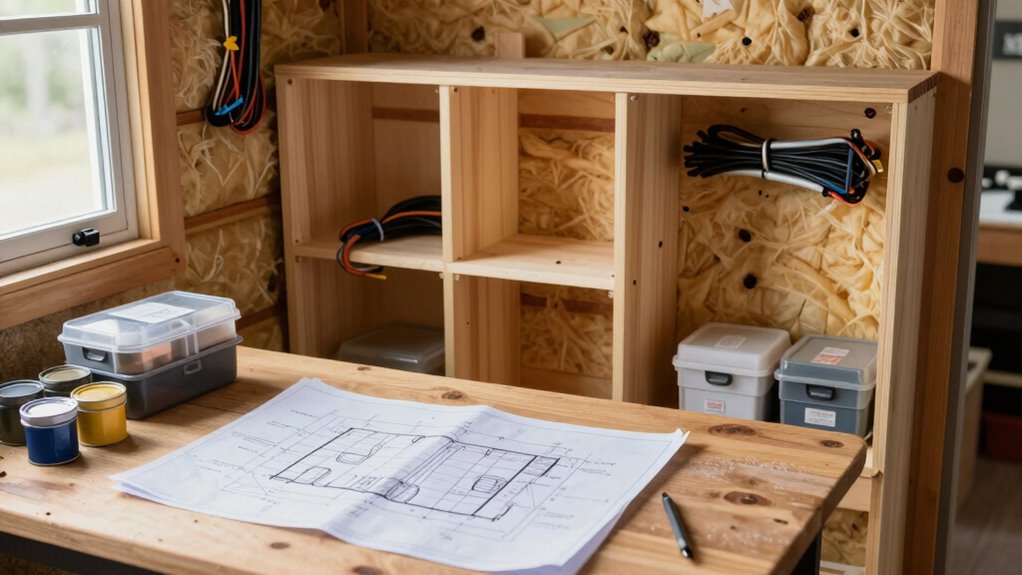
Another line item that’s often overlooked is the cost of sustainable materials. If you’re committed to eco-friendly building practices, you’ll likely want to invest in sustainable materials like bamboo flooring, reclaimed wood, or low-VOC paints. While these choices align with your values, they can be pricier than conventional options. Additionally, sourcing sustainable materials may involve extra shipping or specialty suppliers, which can drive up costs. Remember, integrating these eco-friendly options isn’t just about the initial purchase; it’s also about considering long-term savings from energy efficiency and durability. Budgeting for sustainable materials from the outset allows you to make informed decisions without sacrificing quality or your environmental goals. Knowing the cost differences between traditional and eco-friendly materials can help you make smarter choices early in the process. It’s also beneficial to explore building code requirements related to sustainable design, as these can influence your material choices. Being aware of regulatory requirements, especially for eco-friendly builds, can prevent costly adjustments later on. Additionally, understanding how these regulations impact your overall project scope can help you plan more effectively.
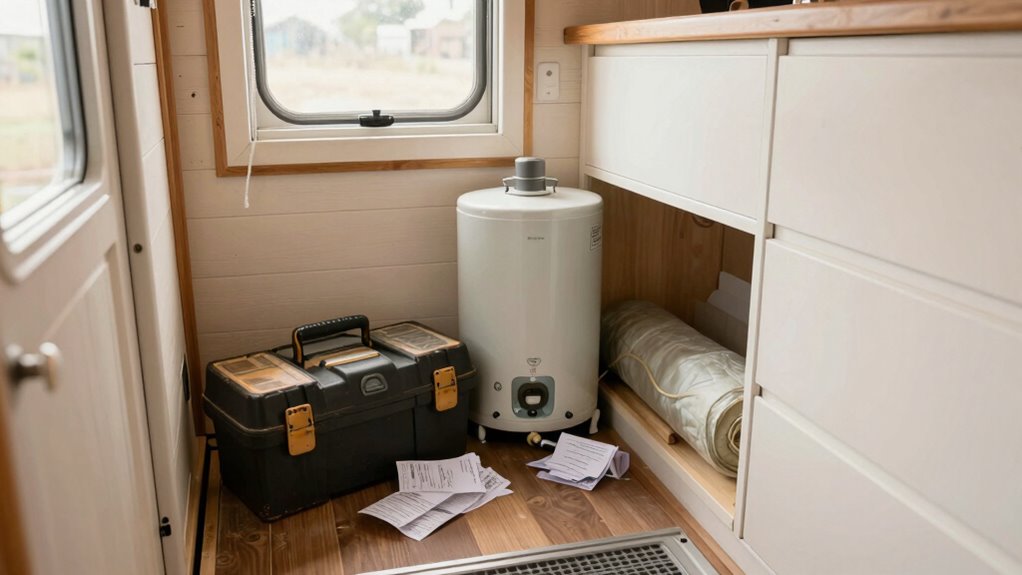
Beyond the obvious expenses, don’t forget about utility hookups. Connecting your tiny house to water, sewer, or electrical services can incur significant costs, especially if the site is remote or requires trenching and equipment rentals. These hookups often aren’t included in the basic build budget but are essential for livability. Similarly, contingency funds should be part of your financial plan. Unexpected issues like hidden damage, code compliance adjustments, or material shortages can occur during construction. Setting aside at least 10-15% of your total budget for unforeseen expenses ensures you won’t have to halt work midway due to lack of funds. Additionally, understanding project scope and the specific requirements for your build can help prevent underestimating costs and ensure a smoother process overall. Properly assessing the cost estimates for each phase of your build can further safeguard your budget from surprises.
Finally, consider the costs associated with finishing touches—lighting fixtures, hardware, and decor—that aren’t part of the core build but greatly influence your overall spend. These details can seem minor but tend to accumulate quickly. By carefully planning for these often-forgotten line items—permit costs, sustainable materials, utility hookups, contingencies, and finishing touches—you’ll be better positioned to stay on budget and complete your tiny house project with confidence.
As an affiliate, we earn on qualifying purchases.
Frequently Asked Questions
How Do I Estimate Unexpected Costs During Construction?
To estimate unexpected costs during construction, you should include a cost contingency in your budget, typically 10-20% of total expenses. This contingency helps cover unexpected expenses that arise unexpectedly. Regularly review your budget and track expenses to identify potential issues early. Planning for surprises guarantees you won’t be caught off guard financially, giving you peace of mind and flexibility throughout your tiny house build.
What Permits Are Required for Tiny House Builds?
You need to check local zoning regulations and building codes before building your tiny house. Permits are often required to guarantee your project complies with safety standards and land use restrictions. Visit your city or county’s planning office or website to find specific permit requirements. Failing to obtain necessary permits can delay your build and cause legal issues, so verify what approvals you need early in the planning process.
How Much Should I Allocate for Future Maintenance?
Think of future maintenance costs like watering a tiny garden—you need to set aside enough to keep everything thriving. Allocate around 10-15% of your build cost annually for upkeep, including interior insulation repairs and solar panel planning. Regular inspections, cleaning, and upgrades can prevent costly surprises. Planning this budget now guarantees your tiny home stays cozy and energy-efficient without draining your wallet down the line.
Are There Hidden Costs in Choosing Specific Materials?
Yes, choosing specific materials can hide expenses you might not anticipate. For example, premium finishes or specialized insulation often come with higher costs, and some materials require additional tools or skills for installation. When you opt for cheaper options, you might face hidden expenses later, like repairs or replacements. Careful material selection helps you avoid unexpected costs, ensuring your tiny house build stays within budget and meets your quality expectations.
How Can I Save on Utility Hookup Fees?
To cut utility hookup fees, think of it as planting seeds for savings. You can install solar energy systems and water harvesting setups yourself or in phases to reduce initial costs. Research local incentives or grants for renewable energy and water solutions, which can considerably lower expenses. By being resourceful and planning ahead, you turn hefty hookup fees into manageable investments, making your tiny house truly self-sufficient.
Conclusion
As you plan your tiny house build, don’t forget those overlooked budget line items—think of them as the hidden roots of a tree that keep everything stable. Just like a tree can’t thrive without its roots, your project needs every detail accounted for to avoid surprises down the road. Stay vigilant and double-check your list, so your tiny home stands strong and beautiful, just like a well-rooted tree reaching confidently toward the sky.
Fall Picks
fall essentials
As an affiliate, we earn on qualifying purchases.