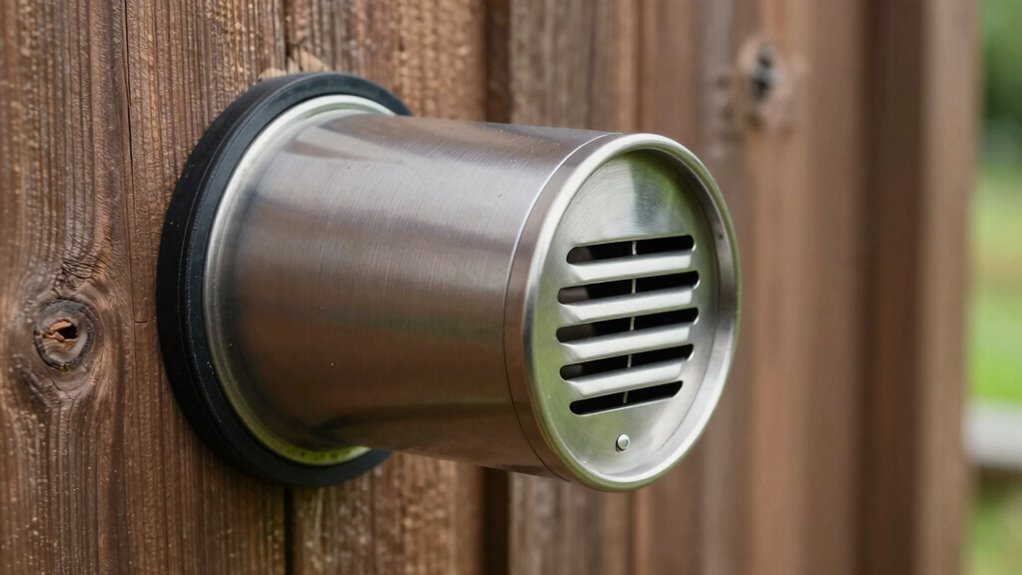

A good compost toilet ventilation kit effectively controls odors, guarantees steady airflow, and uses high-quality components like durable fans and activated carbon filters. Proper placement of intake and exhaust vents, along with airtight connections, boosts performance and prevents leaks. Adjustable features allow you to customize airflow and noise levels to fit your needs. When all parts are well-chosen and installed correctly, your system stays efficient and hassle-free—there’s more to discover if you keep exploring.
Open a free Amazon Business account
Business pricing, bulk buying and tax-exempt orders.
As an affiliate, we earn on qualifying purchases.
Key Takeaways
- Effective odor neutralization with activated carbon filters and proper vent placement.
- Adequate fan capacity matched to duct length and toilet size for optimal airflow.
- Airtight connections and durable components prevent leaks and ensure system longevity.
- Adjustable fan speed and well-designed ducting optimize ventilation efficiency.
- Proper positioning of intake and exhaust vents enhances airflow and odor control.

Ever wondered what makes a compost toilet ventilation kit effective? It all comes down to two main factors: odor control and ventilation efficiency. It’s also important to consider the quality of components used, as this directly impacts the system’s durability and performance. You want a system that effectively keeps smells at bay while making sure that air circulates properly. When these elements work in harmony, your composting experience becomes much more pleasant and hassle-free.
Odor control is the cornerstone of a good ventilation kit. A well-designed system prevents unpleasant smells from escaping into your living space or outdoor area. This involves selecting components that trap or neutralize odors before they leave the toilet. Activated carbon filters are a popular choice because they absorb odors efficiently. When installed correctly, these filters eliminate the smell at its source, making sure that the air leaving the system is fresh. You should also consider the placement of the intake and exhaust vents. Proper positioning helps create a consistent airflow pattern that pulls odors away from the user and prevents them from lingering around the toilet. A good ventilation kit often includes a fan with adjustable speed settings, so you can fine-tune the airflow according to your needs. This flexibility helps maintain a balance — enough airflow to control odors without creating excessive noise or drafts.
Ventilation efficiency is equally important. A system with high ventilation efficiency ensures that stale air is replaced with fresh air quickly and consistently. This prevents the buildup of moisture and reduces the risk of odors lingering. The fan you choose should have enough power to move air through your specific setup. The size of your compost toilet, the length and diameter of the ducting, and the number of bends in the ductwork all affect how well the air circulates. A more powerful fan might be necessary for larger units or longer duct runs. Additionally, airtight connections between the components are vital. Leaks or gaps can compromise both odor control and airflow, so sealing everything properly is a must. Proper ventilation design can significantly enhance the overall performance of your system. Incorporating airtight connections and ensuring all components fit securely will help prevent leaks that could undermine your ventilation efforts. Using high-quality fan and ducting components ensures optimal airflow and durability over time. Ensuring the proper installation of these components is key to maintaining an efficient and odor-free environment. When you combine a fan with a well-designed duct system and effective filters, you guarantee that the airflow is steady and efficient, keeping your compost toilet environment fresh and odor-free.
compost toilet ventilation kit with activated carbon filter
As an affiliate, we earn on qualifying purchases.
As an affiliate, we earn on qualifying purchases.
Frequently Asked Questions
How Often Should I Clean the Ventilation Fan?
You should clean your compost toilet ventilation fan every 3 to 6 months to maintain ideal airflow and reduce fan noise. Regular air filter maintenance prevents dust buildup and ensures efficient operation. When you clean the fan, check the filter and replace it if necessary. This routine helps keep your ventilation system quiet, effective, and prolongs its lifespan, making your compost toilet more pleasant and hassle-free.
Can I Install the Ventilation Kit Myself?
Yes, you can definitely handle DIY installation of a compost toilet ventilation kit, but think of it as assembling a puzzle—you need patience and attention to detail. Follow the manufacturer’s instructions carefully, and prioritize ventilation safety by ensuring proper wiring and secure mounting. If you’re comfortable with basic tools and electrical work, you’ll find it manageable. Just take your time, and don’t hesitate to seek help if needed to keep everything running smoothly.
What’s the Average Lifespan of a Compost Toilet Vent Fan?
The average lifespan of a compost toilet vent fan is typically 3 to 5 years. You can expect good ventilation efficiency and fan durability if you choose a high-quality model. Regular cleaning and proper installation help prolong its life. Keep an eye on noise levels and airflow, and replace the fan when you notice reduced performance. This guarantees your compost toilet remains well-ventilated and odor-free over time.
Are There Quiet Ventilation Options Available?
Yes, quiet ventilation options do exist. Imagine a gentle breeze whispering through your compost toilet, quietly managing odors without disturbing your peace. These fans prioritize noise reduction and energy efficiency, running smoothly with minimal sound. They’re designed to blend seamlessly into your setup, providing effective odor control while maintaining a tranquil environment. You’ll enjoy fresh air and peace of mind, knowing your ventilation system works quietly and efficiently behind the scenes.
How Do I Ensure Good Airflow in Cold Weather?
To guarantee good airflow in cold weather, you should add winter insulation around your ventilation components to prevent freezing and maintain airflow. Regular airflow testing helps you verify that air is circulating properly. Additionally, consider installing a low-profile, quiet fan designed for cold climates, which can keep the ventilation system functioning efficiently without creating noise. These steps will help keep your compost toilet ventilated year-round.
Conclusion
A good compost toilet ventilation kit is like a breath of fresh air for your setup—without it, odors can build up and cause discomfort. I once installed a basic kit without proper airflow, and within days, the smell was overwhelming. Just as a clear stream needs a steady flow, your compost toilet needs effective ventilation to keep things fresh and functioning smoothly. Invest in quality, and your outdoor experience will stay pleasant and worry-free.
Flea & tick season Picks
flea and tick prevention
As an affiliate, we earn on qualifying purchases.