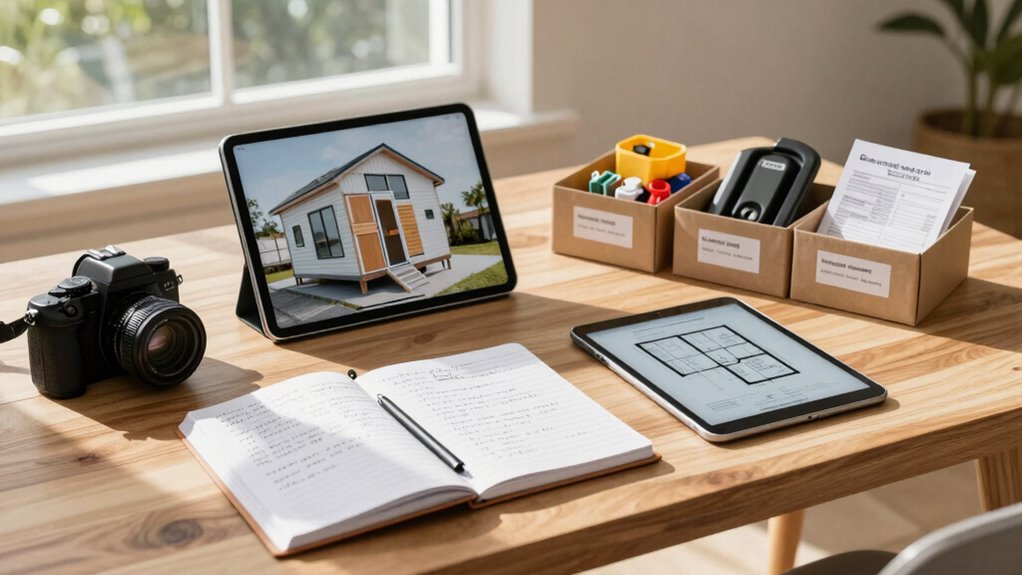

To document your tiny house upgrades effectively, keep digital and physical copies of receipts, warranties, and maintenance logs. Take clear photos of each upgrade and keep a detailed log describing what was done, when, and by whom. Organize these documents into dedicated folders for quick access during insurance claims. Regularly update your records to reflect ongoing maintenance and improvements. Staying organized helps protect your investment and streamlines the claims process—you’ll discover how to do this efficiently as you continue.

Get compact home essentials delivered free — and shop member deals
- Fast, free delivery on millions of items
- Access to Prime Big Deal Days deals on October 6–7
- Prime Video, Amazon Music and more included
Key Takeaways
- Create organized digital and physical folders for receipts, warranties, photos, and logs related to upgrades.
- Regularly update maintenance logs and record details of all upgrades or repairs.
- Take clear photographs of upgrades, current condition, and relevant documentation for easy reference.
- Keep detailed records of upgrade dates, costs, and compliance with building codes.
- Store all documentation securely and ensure quick access during insurance claims or reviews.
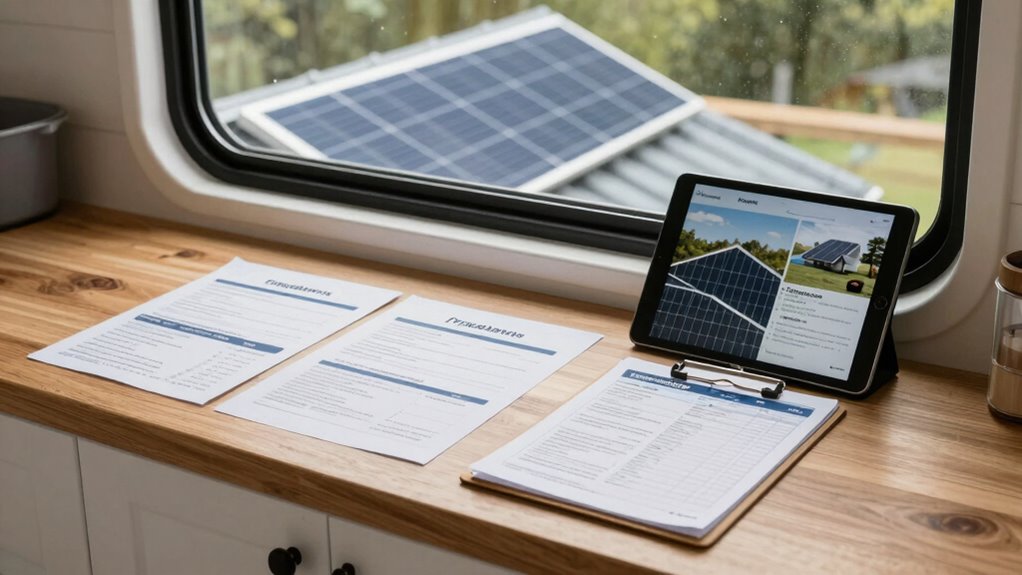
When it comes to insurance claims, having organized documentation makes all the difference. If you ever need to file a claim due to damage or loss, your insurer will want to see proof of what was added or changed. Clear records can expedite the claims process and prevent disputes over the scope of coverage. For instance, if a storm damages your roof, having detailed records of recent upgrades can help justify the replacement costs or coverage limits. Keep digital copies of all relevant documents and photographs stored securely, so they’re accessible when needed. Regularly updating your maintenance logs after each upgrade or repair keeps your records current and reliable.
Additionally, consider creating a dedicated file or digital folder for all upgrade-related documents. Organizing receipts, warranties, photographs, and logs in a way that allows quick retrieval can make a significant difference during claims processing. This practice saves time and reduces stress during insurance reviews or claims processing. Remember, insurance providers appreciate *thorough* and well-organized records because they reduce the likelihood of disputes and ensure that your tiny house’s value is accurately represented. Proper documentation is also especially crucial considering that age of the unit plays a significant role in the likelihood of failures, so keeping current records can help demonstrate ongoing maintenance and care. Keeping detailed records can also help you track upgrades and repairs, which is important for maintaining the integrity and safety of your tiny home over time. Staying aware of building codes and standards can further support your claims and ensure your upgrades meet necessary requirements. Regularly reviewing performance upgrades and their impact on your tiny house can also help you plan future improvements more effectively. By proactively documenting every upgrade with detailed logs and proper records, you not only protect your investment but also make the insurance process much smoother, giving you peace of mind to enjoy your tiny home lifestyle without unnecessary worries. Additionally, understanding the value of the unit can help you better estimate appropriate coverage levels for your insurance needs.
tiny house upgrade documentation folder
As an affiliate, we earn on qualifying purchases.
As an affiliate, we earn on qualifying purchases.
Frequently Asked Questions
How Often Should I Update My Upgrade Documentation?
You should update your upgrade documentation promptly after completing any upgrades, ideally within a week. Keep track of upgrade deadlines to guarantee all records stay current and relevant. Regularly review and maintain your records, aiming for at least annually or after significant modifications. Proper record retention helps you stay organized, proves upgrades for insurance, and makes sure your documentation reflects the latest changes, making future updates smoother.
What Types of Upgrades Require Documentation?
Did you know that nearly 60% of tiny house owners face insurance claim delays due to poor upgrade documentation? You need to document all major upgrades, including electrical, plumbing, insulation, and structural changes. Use upgrade verification and renovation tracking to keep records clear. This way, if anything happens, your insurance company can verify your improvements, helping you get the coverage you deserve and speeding up claims processing.
Can Digital Photos Replace Written Records?
Digital photos can’t fully replace written records because detailed documentation is essential for insurance purposes. However, high-quality photos stored digitally do help by providing visual proof of upgrades. Use digital storage to keep clear, well-lit images that show the details of each upgrade. Combining written records with high-quality photos ensures your documentation is thorough, accurate, and easily accessible, making insurance claims smoother and more reliable.
How Do I Organize Upgrade Records Effectively?
Like a well-organized library, you should categorize upgrade records for your tiny house. Keep digital copies of building permits and warranty documentation in clearly labeled folders or cloud storage. Create a chronological log of upgrades, including receipts and photos, to track progress. Regularly update these records to guarantee accuracy. This approach makes it easier to access vital information when needed, especially during insurance claims or inspections.
Are There Specific Insurance Forms for Documenting Upgrades?
Yes, there are specific insurance forms for documenting upgrades. You can use custom form templates designed for tiny house insurance claims, which help you detail your upgrades clearly. These templates guarantee you include all necessary information, making your documentation more thorough. Remember, following insurance claim tips like providing detailed descriptions and supporting photos can speed up the process and improve your coverage accuracy.
Conclusion
Remember, a penny saved is a penny earned, and keeping thorough records of your tiny house upgrades can save you more down the line. By documenting every improvement, you’re not only making insurance claims smoother but also protecting your investment. Stay organized and proactive—your future self will thank you. When it comes to your tiny home, being prepared is the key to peace of mind. After all, an ounce of prevention is worth a pound of cure.
Fall Picks
fall essentials
As an affiliate, we earn on qualifying purchases.