
TL;DR
A House Beautiful report describes seven alternatives to bagging fallen leaves: mow a thin layer into the lawn, leave whole leaves for wildlife, make mulch, enrich garden beds, compost, form paths and protect some crops and herbs. The advice includes practical limits, such as keeping mown leaves to a layer under one inch and using shredded leaves for mulch and soil incorporation.
House Beautiful’s gardening report outlines seven ways to reuse fallen leaves rather than bagging them for disposal, including mowing a thin layer into the lawn, making mulch and compost, and leaving whole leaves in garden beds as winter cover for wildlife. The suggestions offer homeowners ways to put autumn yard waste to use, while the article cautions that leaf size, placement and thickness matter.

Get compact home essentials delivered free with Prime
- Fast, free delivery on millions of items
- Prime Video, Amazon Music and more included
- Member-only deals all year
For lawns, the report says leaves can be mowed in place when the layer is less than one inch thick. Letting them dry first can make the job easier. A mulching mower is recommended; with a standard mower, a second pass at a right angle can break the leaves into smaller pieces. The advice is to avoid leaving a heavy, unbroken layer on the grass.
Whole leaves can instead be raked into garden beds to shelter insects, spiders, turtles, toads and small mammals through winter. The report cites the National Wildlife Federation for this recommendation and says some moths and butterflies remain in underbrush in their chrysalis stage. For mulch, shredded leaves can be spread around shrubs and perennials in a two- to three-inch layer, a University of Delaware recommendation cited by House Beautiful. The article says this can suppress weeds, reduce soil erosion and insulate roots against freeze-thaw conditions.
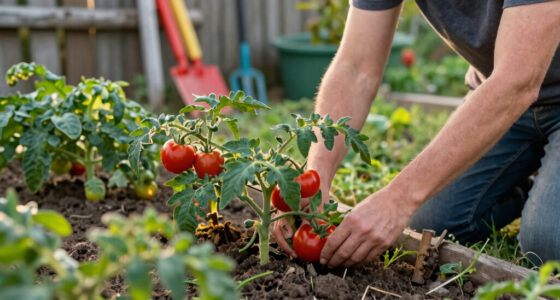
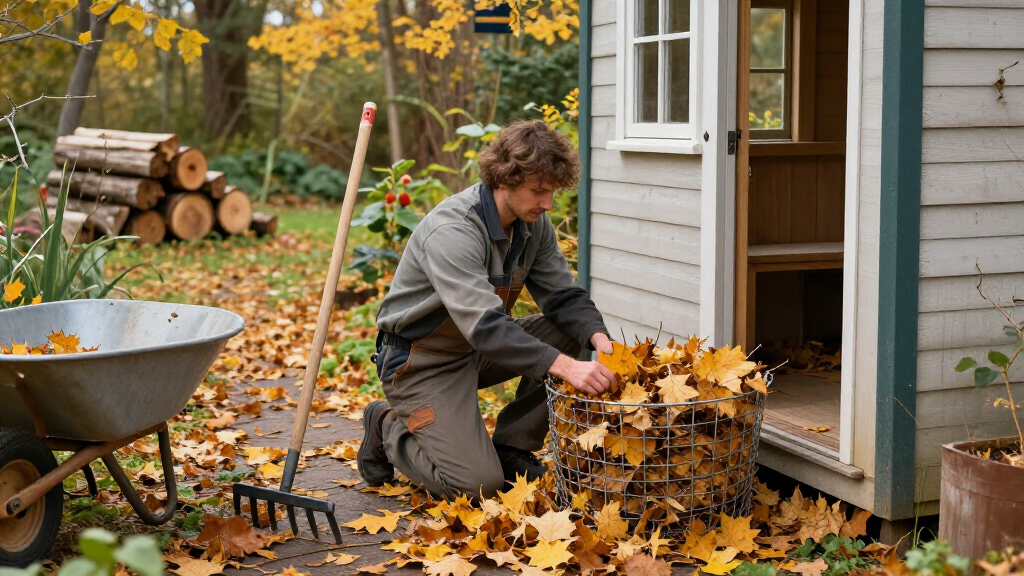
Other suggestions include working shredded leaves into garden soil in fall or early spring; starting a compost pile and saving dry leaves as “browns” to balance green materials; and laying shredded leaves on garden paths. The final use is to mound leaves around and over greens such as Swiss chard and perennial herbs including sage, parsley and oregano. House Beautiful advises keeping a three- to five-inch layer in place with small chicken-wire cages, and says this may extend harvesting in cold climates.
Putting Fall Leaves to Work
Reusing leaves can reduce the amount of yard material a household bags for disposal and return organic matter to lawns and beds. The suggestions also serve different needs: shredded leaves can function as mulch or soil material, while whole leaves can provide shelter for wildlife. Choosing between those uses may help gardeners avoid treating every raked leaf as waste.
The guidance is practical rather than a guarantee of results. Leaf cover varies by plant and location, and a thick layer left on turf is not the same as a thin layer cut into small pieces. Gardeners can match the method to the area: keep lawn coverage light, use shredded leaves where they may mat, and reserve whole leaves for beds where winter habitat is desired.
Products Worth Considering

Philips Hue Smart Light Starter Kit with Bridge and 4 White and Color A19 Bulbs

Bose SoundLink Max Portable Bluetooth Speaker, IP67 Waterproof and Dustproof, Up to 20 Hours of Battery Life, Black

Dyson Purifier Cool PC2 De-NOx
As an affiliate, we earn on qualifying purchases.
Seven Uses for Autumn Leaves
The House Beautiful article presents these ideas as seasonal yard work that can be done with tools many homeowners already have, including a rake, mower, garden fork or spade. It also notes that a mower’s bag attachment can collect leaves for shredding and that some mower models may accept mulching blades. The report suggests checking a mower’s model information if its type is unclear.
For composting, leaves are described as “browns,” which can be saved and added during the growing season alongside green materials. People without room for a pile or composter may check whether their municipality collects leaves and yard debris. The article says some communities turn collected material into compost that is later offered to residents; availability and terms depend on local programs.
“A two- to three-inch layer is sufficient to keep down weeds and reduce soil erosion.”
— House Beautiful, citing the University of Delaware
Limits Depend on Yard Conditions
The supplied report does not provide a publication date, name a particular municipality, or say whether local leaf-collection programs are available to each reader. The effects of leaf mulch or winter cover will also vary by site and plant; the article does not offer a universal recommendation for every garden or climate.
It does not quantify how much waste, money or water these practices might save. The suggested methods are presented as options, not measured outcomes. Readers should also distinguish the stated depth for lawn leaves from the separate recommendations for mulch and crop protection.
Choose a Method Before Raking
As leaves fall, homeowners can decide which areas need a light mowing, which beds can hold whole leaves, and which leaves to collect for shredding or compost. Those planning to use municipal collection can check local guidance for accepted materials and pickup schedules. The report describes recurring seasonal tasks, not a pending decision or scheduled follow-up; no further development is specified.
Key Questions
Can I mow leaves directly into my lawn?
House Beautiful says this is suitable when the leaf layer is under one inch. Let leaves dry as much as possible and mow them into small pieces; a mulching mower is recommended.
Should leaves for wildlife be shredded?
The report recommends keeping leaves whole in garden beds for better winter coverage for wildlife, including beneficial insects and small animals.
How deep should shredded-leaf mulch be?
The article, citing the University of Delaware, gives a depth of two to three inches around shrubs and perennials.
Can fallen leaves go into compost?
Yes. The report calls leaves “browns” and suggests saving them to add to a composter or pile alongside green materials during the growing season.
What if I do not have room to compost leaves?
Check with your municipality about leaf and yard-debris pickup. House Beautiful says some local programs process collected material into compost for residents, but availability varies.
Source: rss