
Eco-friendly upgrade packages for tiny homes and cabins help you reduce your environmental impact while boosting energy efficiency and self-sufficiency. These packages often include solar power systems, waste management solutions like composting toilets, and insulation upgrades. You can also add water conservation features and energy-efficient appliances. Customizable options make it easy to choose solutions that fit your space and lifestyle, ensuring comfort and sustainability. Keep exploring to discover how these upgrades can transform your tiny living experience.

Get compact home essentials delivered free with Prime
- Fast, free delivery on millions of items
- Prime Video, Amazon Music and more included
- Member-only deals all year
Key Takeaways
- Eco-upgrade packages include solar power systems with battery storage for off-grid energy independence.
- They feature composting toilets and greywater recycling to reduce water use and environmental impact.
- Energy-efficient appliances and improved insulation lower overall energy consumption and enhance comfort.
- Sustainable water and ecological practices support biodiversity and responsible waste management.
- Customizable solutions optimize environmental benefits while maintaining the charm and practicality of tiny living.
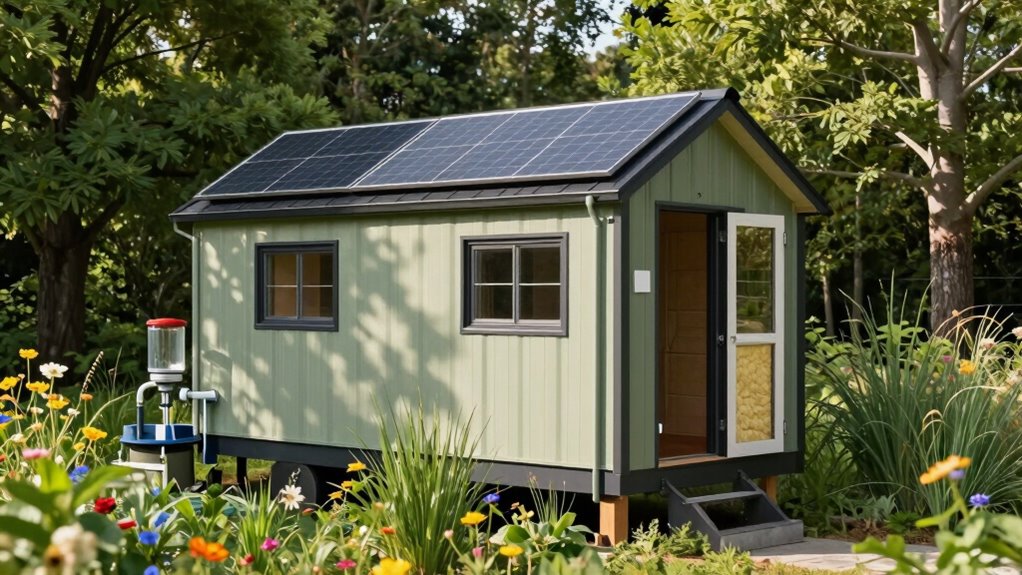
Are you looking for ways to make your home more sustainable without sacrificing comfort? Eco-friendly upgrade packages for tiny homes and cabins are designed to do just that. These packages often include practical features like solar panels, composting toilets, and energy-efficient appliances, helping you reduce your environmental footprint while maintaining a cozy, functional space. With the right upgrades, you can generate your own power, manage waste responsibly, and cut down on utility bills—all without sacrificing the charm and simplicity of tiny living.
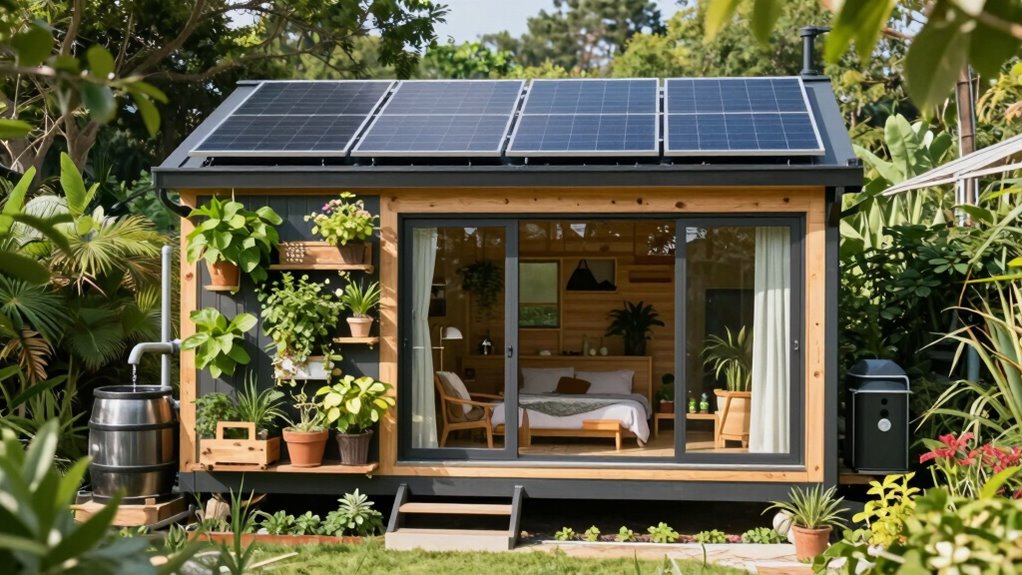
Solar panels are a popular upgrade because they provide a clean, renewable energy source. Installing solar panels on your tiny home or cabin allows you to harness the sun’s energy, reducing reliance on fossil fuels and lowering your electricity bills. Modern solar systems are compact and easy to integrate, making them perfect for small spaces. Plus, many packages include battery storage options, so you can store excess energy for cloudy days or nighttime use. This independence from the grid not only saves you money but also makes your home more resilient during power outages. With the right setup, you might even generate more energy than you need, which you can sell back to the grid or use to power additional appliances.
Harness the sun’s energy with compact solar panels and battery storage for a sustainable, off-grid tiny home.
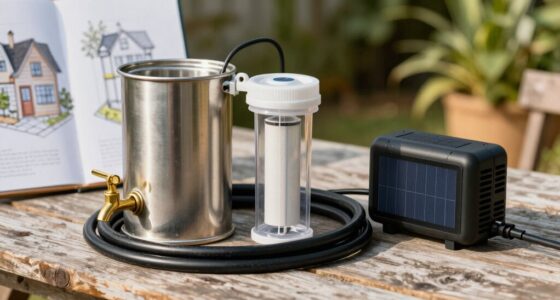
Compiling a sustainable waste management system is equally essential. Composting toilets are a key feature in eco-upgrade packages because they eliminate the need for water-based sewage systems. These toilets convert human waste into compost, which you can use in your garden or dispose of safely, reducing water consumption and the environmental impact of traditional plumbing. They’re easy to install and maintain, making them ideal for off-grid living or homes aiming to minimize water use. Pairing composting toilets with greywater recycling systems can further reduce water waste and make your home more eco-friendly. Incorporating water conservation techniques can significantly enhance the overall sustainability of your tiny home. Additionally, understanding the importance of biodiversity can inspire you to create a landscape that supports local wildlife and enhances your property’s ecological value. Considering renewable energy sources in your upgrade plan can help maximize your home’s sustainability and energy independence.
Beyond waste management and energy production, these upgrade packages often include energy-efficient appliances, LED lighting, and better insulation. Such improvements help conserve energy, keep your home comfortable year-round, and reduce your carbon footprint. Many packages are customizable, allowing you to select features based on your specific needs and lifestyle. Whether you’re building a tiny cabin in the woods or upgrading an existing tiny home, these eco-friendly options make it easier to live sustainably without sacrificing comfort. They’re practical, cost-effective, and contribute to a more environmentally conscious way of life, making your tiny space both greener and more self-sufficient.
As an affiliate, we earn on qualifying purchases.
Frequently Asked Questions
How Much Do Eco-Friendly Upgrade Packages Typically Cost?
Eco-friendly upgrade packages usually cost between $5,000 and $15,000, depending on your choices. You’ll want to contemplate adding solar panels for renewable energy and water conservation systems to reduce your water use. These upgrades can increase your upfront costs but save you money long-term. You might also find packages that include energy-efficient appliances and insulation, helping you lower your ecological footprint while making your tiny home more sustainable.
Are These Upgrades Suitable for All Tiny Home Sizes?
These upgrades are suitable for all tiny home sizes because they offer design flexibility and enhance material durability. You can tailor eco-friendly features to small or large spaces, ensuring efficient use of every square foot. Whether your tiny home is compact or spacious, these upgrades adapt seamlessly, providing sustainable benefits without compromising style or function, making them a versatile choice for any size and helping you create an eco-conscious living space.
Do Eco-Friendly Packages Include Renewable Energy Options?
Yes, eco-friendly packages often include renewable energy options like solar power, which helps reduce your carbon footprint. They also focus on water conservation features, such as low-flow fixtures and rainwater harvesting systems. These upgrades are designed to make your tiny home more sustainable, regardless of its size. By integrating solar power and water-saving measures, you’ll enjoy lower utility bills and a smaller environmental impact, making your tiny home truly eco-friendly.
How Long Does Installation of These Upgrades Usually Take?
Installation of eco-friendly upgrades typically takes from a few hours to a few days, depending on the complexity. If you opt for DIY installation, expect it to take longer but save costs. Professional services usually complete the upgrades more quickly and efficiently, often within a day or two. Factors like the type of upgrade, your skill level, and site readiness influence the timeline, so plan accordingly for a smooth process.
Are There Government Incentives for Eco-Friendly Tiny Home Upgrades?
Imagine your tiny home glowing with eco-friendly upgrades, and you’re wondering if government incentives can help. You might qualify for government grants designed to promote sustainable living, making your upgrade more affordable. However, zoning regulations can influence your options, so it’s essential to check local rules. These incentives aim to support environmentally conscious choices, helping you create a greener, more cost-effective tiny home.
Conclusion
Just like Robin Hood’s quest for balance, upgrading your tiny home or cabin with eco-friendly packages aligns comfort with conscience. These enhancements don’t just save energy—they become a symbol of harmony with nature. As you embrace these greener choices, you’re reminiscent of the wise stewards of old, forging a path toward sustainability. In doing so, you turn your cozy retreat into a haven that’s as gentle on the Earth as it is welcoming to you.
Halloween Picks
halloween
As an affiliate, we earn on qualifying purchases.