TL;DR

Get compact home essentials delivered free with Prime
- Fast, free delivery on millions of items
- Prime Video, Amazon Music and more included
- Member-only deals all year
Homeowners are increasingly opting for all-white laundry room renovations, replacing traditional beige designs. This trend, driven by aesthetic and perceived luxury benefits, is gaining attention online and in interior design circles.
Recent home renovation trends show a surge in transforming traditional beige laundry rooms into all-white, luxe spaces. This shift is driven by homeowners seeking a more modern, sophisticated aesthetic, and is reflected in increased online searches and social media posts about such makeovers.
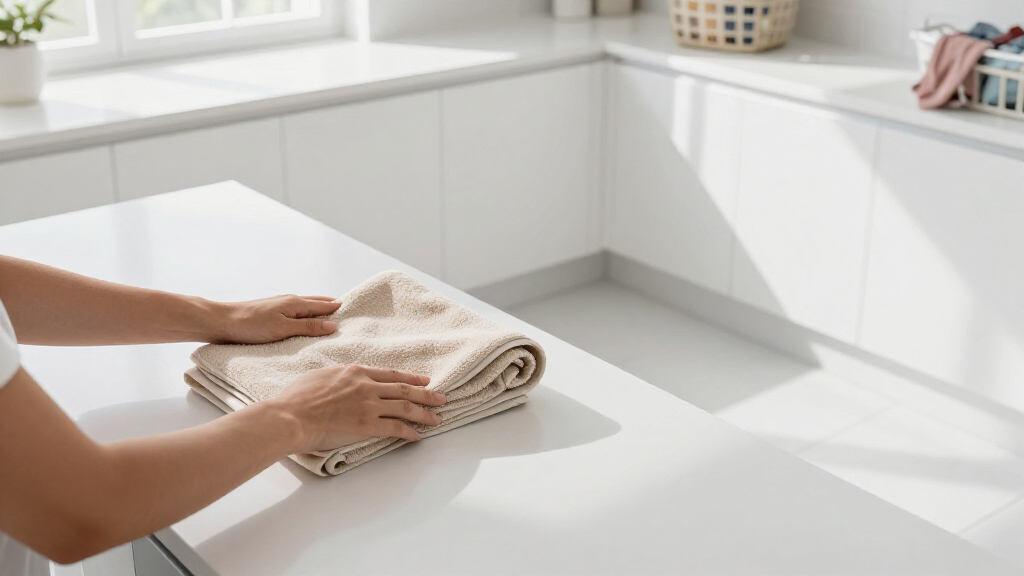
Sources indicate that the trend toward all-white laundry rooms is gaining popularity among homeowners and interior designers. The transformation typically involves replacing beige or neutral tones with bright, all-white cabinetry, walls, and flooring, creating a clean, expansive look. Experts suggest that this color scheme enhances the perception of luxury and cleanliness, making small spaces feel larger and more refined.
While specific renovation projects are not officially documented as part of a coordinated campaign, anecdotal evidence from interior design forums and social media shows a spike in before-and-after images of laundry rooms converted from beige to white. The trend appears to be fueled by the broader movement toward minimalism and monochromatic interiors, with many citing the calming and upscale effect of an all-white palette.
Industry analysts note that this trend aligns with a wider pattern of homeowners seeking to elevate functional spaces, such as laundry rooms, into more stylish, spa-like retreats. The aesthetic appeal is also reinforced by the ease of maintaining white surfaces, which can be kept looking pristine with regular cleaning.
Why the All-White Laundry Room Trend Matters
This trend signifies a broader shift in interior design preferences, emphasizing the desire to elevate even utilitarian spaces into stylish, luxurious environments. It reflects homeowners’ increasing willingness to invest in small but impactful upgrades that enhance the overall aesthetic and perceived value of their homes. The move toward all-white interiors can influence market trends, product offerings, and renovation priorities, potentially impacting the home improvement industry.
Moreover, the trend highlights how color choices can influence perceptions of space and luxury. The all-white aesthetic, associated with cleanliness and modernity, may encourage more homeowners to consider similar updates in other areas of their homes, fostering a broader movement toward monochromatic, minimalist interiors.
As an affiliate, we earn on qualifying purchases.
Origins and Rising Interest in White Laundry Room Designs
The trend toward all-white interiors is part of a long-standing movement favoring minimalism and simplicity in home design. Historically, beige and neutral tones have been popular for their warmth and versatility, but recent shifts toward brighter, more uniform color schemes have gained momentum. The specific focus on laundry rooms as a space for aesthetic upgrade is a newer development, driven by increased home renovation activity during periods of heightened homeownership and remote work.
While no official studies have tracked this specific trend, online search interest for phrases like ‘white laundry room makeover’ and ‘laundry room renovation ideas’ has spiked in recent months, indicating growing consumer curiosity. Interior designers report that clients are increasingly requesting all-white schemes, citing benefits such as making small spaces appear larger and more luxurious.
It remains unclear whether this trend will continue to grow or if it is a passing fad. Industry experts suggest that the appeal of a clean, cohesive look aligns with broader aesthetic preferences, but definitive data on its longevity is not yet available.
Unconfirmed Factors Behind the Trend’s Rise
It is not yet clear whether the all-white laundry room trend is driven by a coordinated marketing push, a spontaneous aesthetic shift, or broader cultural influences. No official industry reports confirm a deliberate campaign or specific trigger, and the long-term staying power of this trend remains uncertain.
Additionally, while anecdotal evidence suggests increased interest, comprehensive data on the number of renovations or consumer preferences is still lacking. The influence of social media and influencer content on this trend is plausible but not yet fully quantified.
Expected Developments and Industry Response
As interest in all-white laundry rooms continues to grow, industry professionals anticipate more product offerings tailored to this aesthetic, including white cabinetry, flooring, and accessories. Homeowners may increasingly consider this style for other small spaces, such as bathrooms and mudrooms.
Renovation companies and interior designers are likely to respond with targeted marketing and design packages emphasizing the luxury and simplicity of white interiors. Future surveys and market research could clarify whether this trend sustains or shifts toward other color schemes.
Key Questions
Why are homeowners choosing all-white laundry rooms?
Homeowners cite reasons such as creating a sense of spaciousness, achieving a modern and clean look, and enhancing perceived luxury and brightness in small spaces.
Is the all-white laundry room trend a temporary fad?
It is currently uncertain. While online interest is rising, whether this will become a lasting design standard remains to be seen, pending further industry data.
What are the practical benefits of switching to all-white in laundry rooms?
White surfaces can make small spaces appear larger and more organized, and they are easy to clean and maintain with regular upkeep.
Are there any downsides to an all-white laundry room?
White surfaces may show dirt and stains more readily, requiring frequent cleaning to maintain their appearance, which could be a consideration for some homeowners.
Will this trend influence other interior spaces?
It is possible. The appeal of a sleek, monochromatic aesthetic may lead homeowners to adopt similar designs in bathrooms, kitchens, and other utility areas.
Source: rss
Halloween Picks
halloween
As an affiliate, we earn on qualifying purchases.