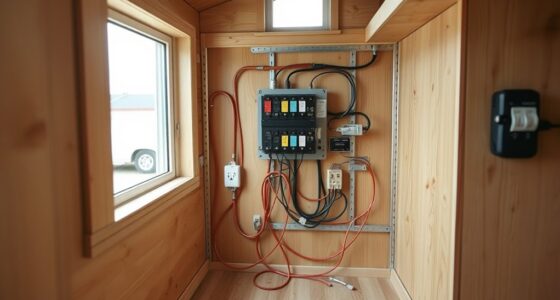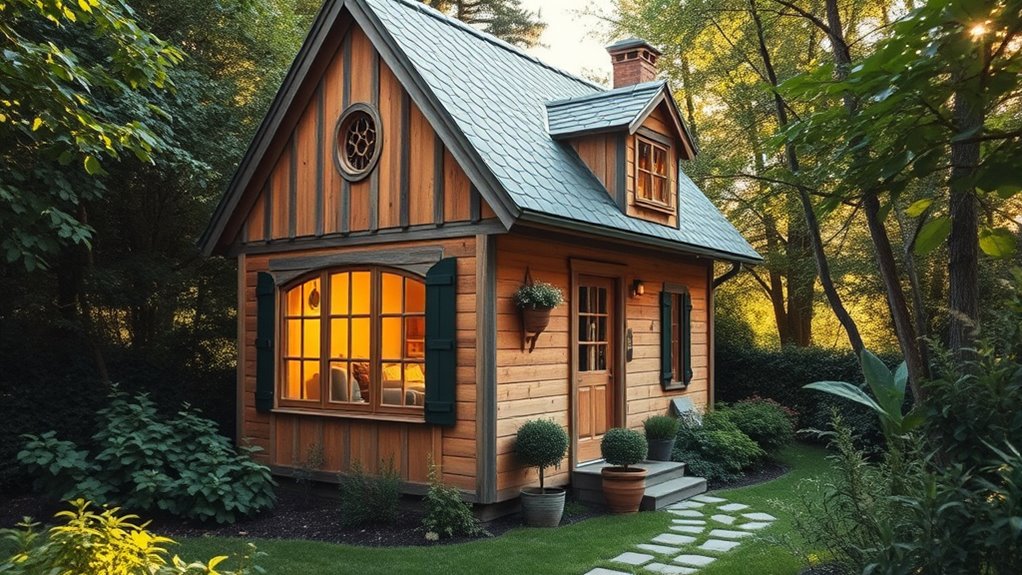

Expert insights reveal that European tiny home architecture focuses on innovative, sustainable designs that maximize space while reducing environmental impact. You’ll find homes built with recycled and eco-friendly materials like bamboo and reclaimed metal, featuring clever layouts with multi-purpose furniture. These designs blend traditional styles with modern features such as solar panels and rainwater harvesting. By exploring these solutions, you’ll discover how tiny homes challenge norms, offering comfort, style, and sustainability—all worth exploring further.
Key Takeaways
- European tiny home architecture emphasizes sustainable materials like reclaimed wood and natural insulation for eco-friendly living.
- Innovative space-saving designs, such as fold-away beds and modular furniture, maximize functionality within small footprints.
- Homes often incorporate renewable energy systems, rainwater harvesting, and eco-conscious utilities to reduce environmental impact.
- Regional influences shape tiny home aesthetics, blending traditional styles with modern, sustainable features for visual appeal.
- The movement fosters flexible, responsible living solutions that challenge conventional housing perceptions across diverse European landscapes.
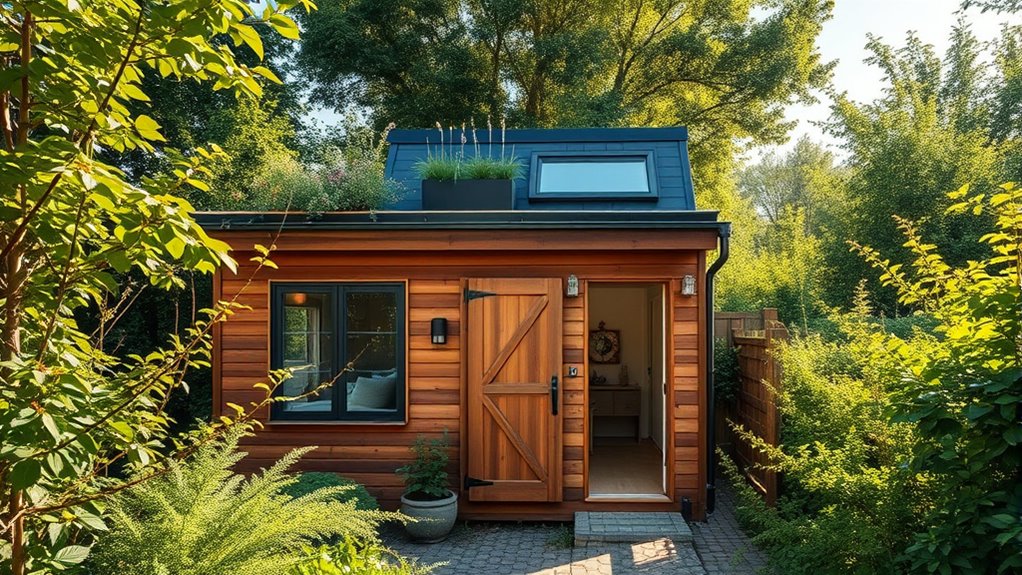
Have you ever wondered how tiny home architecture is transforming living spaces across Europe? It’s a movement driven by the desire to maximize space efficiency while minimizing environmental impact. Architects and homeowners alike are exploring innovative ways to create comfortable, functional dwellings that challenge traditional notions of size and permanence. At the core of this revolution are sustainable materials and innovative designs that make tiny homes not only eco-friendly but also highly adaptable to diverse lifestyles and landscapes.
Tiny home architecture in Europe combines sustainability and innovative design to revolutionize modern living spaces.
When you look into tiny home construction, you’ll notice that sustainable materials play a pivotal role. Many builders choose recycled wood, bamboo, or reclaimed metal to reduce waste and lower the carbon footprint of each project. These materials not only promote eco-conscious living but also add unique aesthetic qualities to the homes. For example, using natural insulation like sheep’s wool or hemp makes the interiors energy-efficient, helping residents cut down on heating and cooling costs. This focus on sustainability isn’t just about the environment; it’s about creating spaces that are healthier and more in tune with nature. Additionally, incorporating personality test insights into design choices can help homeowners customize their tiny homes to better reflect their individual identities and preferences.
Innovative designs are equally essential to the success of tiny homes across Europe. You’ll find that clever layouts, multi-purpose furniture, and space-saving solutions turn small areas into highly functional environments. Designers are experimenting with vertical spaces, fold-away beds, and sliding walls to maximize every inch. This approach allows you to enjoy the comfort of a larger home without sacrificing mobility or increasing your ecological footprint. Many tiny dwellings incorporate solar panels, rainwater harvesting, and composting toilets, further emphasizing their eco-friendly ethos. These innovations make tiny homes appealing to a broad audience, from eco-conscious individuals to those seeking affordable housing options.
European tiny homes often reflect local architectural influences, blending traditional styles with modern, sustainable touches. For you, this means that regardless of where you’re considering living—be it a forested rural area or a bustling city—you can find designs tailored to your environment. The integration of sustainable materials and innovative designs results in homes that are not only environmentally responsible but also visually striking and personalized. These homes are built to adapt to your needs, whether you’re looking for a weekend retreat or a permanent residence.
In essence, tiny home architecture in Europe is reshaping how you think about living space. It’s an approach that combines eco-friendly practices with creative, space-efficient designs. As you explore these homes, you’ll see that the future of housing lies in innovation, sustainability, and a smarter use of the resources around us. You don’t have to sacrifice comfort or style to live sustainably—in fact, tiny homes prove that less can be more.

Tiny Houses Built with Recycled Materials: Inspiration for Constructing Tiny Homes Using Salvaged and Reclaimed Supplies
As an affiliate, we earn on qualifying purchases.
As an affiliate, we earn on qualifying purchases.
Frequently Asked Questions
How Do European Building Codes Impact Tiny Home Construction?
European building codes impact your tiny home construction considerably by requiring building code compliance and adherence to zoning regulations. You need to ensure your tiny home meets safety standards, which may involve specific size, insulation, and wiring rules. Zoning laws can restrict where you build, so you must check local regulations beforehand. Failing to comply can lead to fines or needing to modify your tiny home, so thorough research is essential.
What Are the Most Popular Eco-Friendly Materials Used in European Tiny Homes?
You’ll find that popular eco-friendly materials in European tiny homes include sustainable insulation like sheep’s wool and hemp, which help reduce energy use. Recycled interiors, such as reclaimed wood and repurposed fixtures, also dominate because they’re both stylish and environmentally responsible. These materials not only meet strict building regulations but also support your goal of creating a low-impact, cozy, and sustainable living space.
How Do Tiny Homes Integrate With Traditional European Architectural Styles?
Tiny homes act as chameleons, blending seamlessly into historic European neighborhoods. You adapt their design through stylistic adaptation, incorporating traditional elements like timber framing or ornate facades. This historic blending preserves local charm while offering modern living. You can use classic materials and details to guarantee your tiny home complements its surroundings, creating harmony between old and new. It’s about respecting tradition while embracing innovative, space-efficient living.
What Are Common Challenges in Obtaining Permits for Tiny Homes in Europe?
You often face challenges with permits due to zoning restrictions and land ownership issues. Local regulations may not recognize tiny homes as permanent dwellings, making approval difficult. Land ownership can also complicate matters if you don’t hold the proper rights or if the land isn’t zoned for residential use. To overcome these hurdles, you should research local laws, consult authorities early, and consider alternative land options or zoning variances.
How Do Tiny Homes Accommodate European Climate Variations Efficiently?
You can efficiently adapt tiny homes to European climate variations by implementing robust insulation strategies to keep them warm in winter and cool in summer. Additionally, incorporating effective ventilation solutions guarantees fresh air circulation and moisture control. By combining high-quality insulation with smart ventilation, you’ll maintain a comfortable indoor environment year-round, regardless of seasonal changes, making your tiny home suitable for diverse European climates.
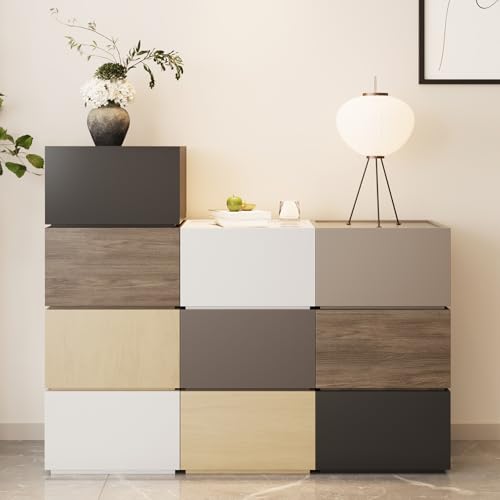
Modern Nightstand Stackable Storage Drawers, Modular Bedroom Furniture Set – Storage Cabinet, Bedside Table, Sofa End Table for Bedroom Living Room Hallway Entryway Champagne Small
Modern Nightstand Design: Our modern nightstand is a stylish addition to any bedroom. It offers a sleek, contemporary…
As an affiliate, we earn on qualifying purchases.
As an affiliate, we earn on qualifying purchases.
Conclusion
As you explore tiny home architecture in Europe, you’ll find it’s like discovering a hidden gem—compact yet full of character. These innovative designs prove that less truly can be more, blending functionality with style seamlessly. Embracing this movement lets you rethink space and sustainability, inspiring your own journey toward smarter living. Just as a finely crafted jewel catches the light, these tiny homes shine with creativity and purpose, inviting you to imagine a more mindful way of life.

ECO-WORTHY 400 Watt 12 Volt Premium Solar Panel Kit :4pcs 100W Solar Panel+ 40A MPPT Charge Controller+ Bluetooth Module+ Mounting Z Brackets, 400W 12V Solar Power Off Grid System for Home, RV, Boat.
[Powerful Energy Generation]The Premium 400W Kit can produce an average of 1.6KWH of electricity per day (depending on…
As an affiliate, we earn on qualifying purchases.
As an affiliate, we earn on qualifying purchases.

KMJETNIVY Rainwater Harvesting System (2 x 3)
Adjustable Rainwater Collection System – invention patent pending!!!
As an affiliate, we earn on qualifying purchases.
As an affiliate, we earn on qualifying purchases.