
To efficiently manage waste in your tiny house, consider combining solar composting for organic scraps with a greywater recycling system for sinks and showers. These eco-friendly options diminish landfill contributions, save water, and maximize space. Proper planning guarantees proper ventilation, filters, and diverters for smooth operation. By integrating these strategies, you’ll create a sustainable, low-impact habitat. Keep exploring to uncover more expert tips that will make your tiny living even greener.
Key Takeaways
- Implement solar composting systems for organic waste to create nutrient-rich soil and reduce landfill contributions.
- Install greywater recycling setups to safely reuse water from sinks and showers for irrigation and toilet flushing.
- Design waste management plans that integrate composting and greywater systems for a sustainable, eco-friendly tiny house lifestyle.
- Regularly maintain vents, filters, and diverters to ensure efficient operation and odor control in composting and greywater systems.
- Optimize space with compact, modular waste solutions tailored to your tiny house layout and specific environmental conditions.
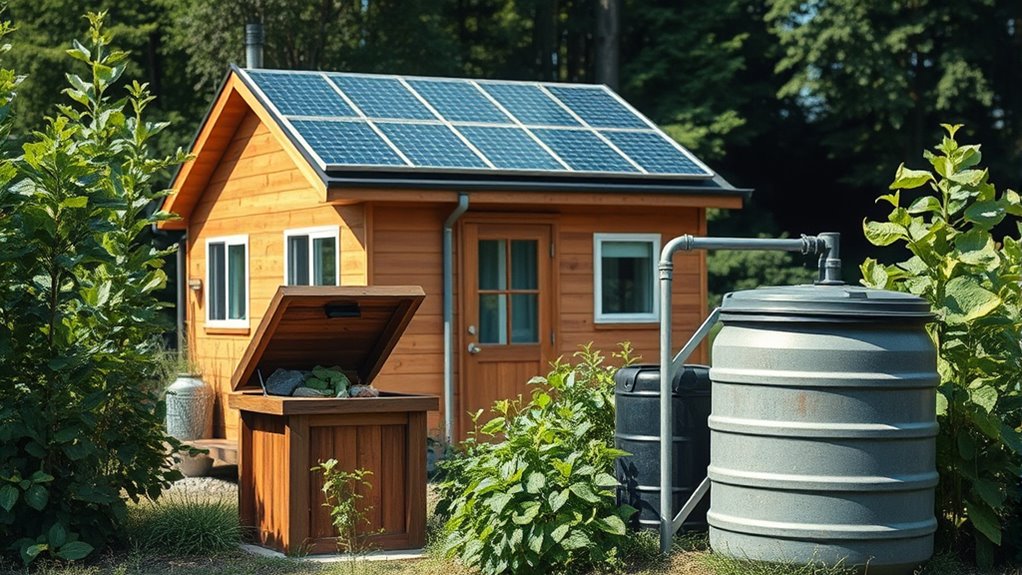
Ever wondered how to manage waste effectively in a tiny house? It’s a common concern, and the good news is there are smart, eco-friendly ways to handle it. Two key strategies you should consider are solar composting and greywater recycling. These methods not only reduce waste but also help you live more sustainably within your limited space.
Solar composting is an innovative way to turn organic waste into valuable compost using renewable energy. Instead of tossing food scraps and yard waste into a landfill or traditional compost bin, you can set up a solar composting system that harnesses sunlight to accelerate decomposition. These systems often have vents and filters to control airflow and odors, making them suitable even for small spaces. By doing so, you minimize the amount of waste you send to the trash and create nutrient-rich compost for your plants. It’s a straightforward process: collect your kitchen scraps—like vegetable peels, coffee grounds, and eggshells—and regularly add them to your solar compost bin. The sun’s warmth speeds up the natural composting process, and with proper management, you’ll have compost in just a few weeks. This approach not only reduces waste but also promotes healthy gardening, which is perfect if you have a tiny outdoor space or even a balcony garden. Incorporating cultural intelligence into your planning can help you better understand and adapt to local waste disposal regulations and practices.
Solar composting converts kitchen waste into nutrient-rich soil using sunlight, ideal for small spaces and sustainable gardening.
Greywater recycling is another game-changer for tiny house waste management. It involves reusing water from sinks, showers, and laundry machines for non-potable purposes, such as flushing toilets or watering plants. You’ll need a properly designed greywater system that filters and directs wastewater away from your living space to prevent any health hazards. When set up correctly, greywater recycling substantially cuts down on the amount of fresh water you use, which is especially beneficial if you’re off-grid or aiming for a low-impact lifestyle. It also reduces the volume of wastewater that needs to be treated or disposed of, easing the burden on septic systems or local waste management services. Incorporating greywater recycling requires some initial planning—installing diverters, filters, and storage tanks—but once in place, it operates seamlessly and quietly. Plus, it’s a responsible way to conserve water and reduce your ecological footprint.
Together, solar composting and greywater recycling form a powerful duo for tiny house waste management. They help you take control of waste streams, reduce your environmental impact, and live more sustainably. With a bit of effort and planning, you’ll transform your small space into an eco-friendly haven where waste is minimized, resources are reused, and you contribute positively to the planet. These strategies aren’t just practical—they’re empowering, giving you the tools to manage waste effectively without sacrificing comfort or convenience.

All-Natural Aquaponic Lawns, Gardens & Vertical Gardens: Inexpensive Back-to-Basics Gardening with Fish Using Non-Electric, Solar, or Minimal-Electricity Designs (The Backyard Renaissance Collection)
As an affiliate, we earn on qualifying purchases.
As an affiliate, we earn on qualifying purchases.
Frequently Asked Questions
Can Composting Human Waste Be Safely Done in a Tiny House?
Yes, you can safely compost human waste in your tiny house by using urine diversion systems and septic alternatives. Urine diversion separates liquid waste from solids, reducing odor and health risks. Properly composted, human waste becomes safe fertilizer, but you must follow local regulations and maintain the compost regularly. Using these methods guarantees eco-friendly waste management while keeping your tiny home clean and sanitary.
What Are the Best Eco-Friendly Toilet Options for Tiny Homes?
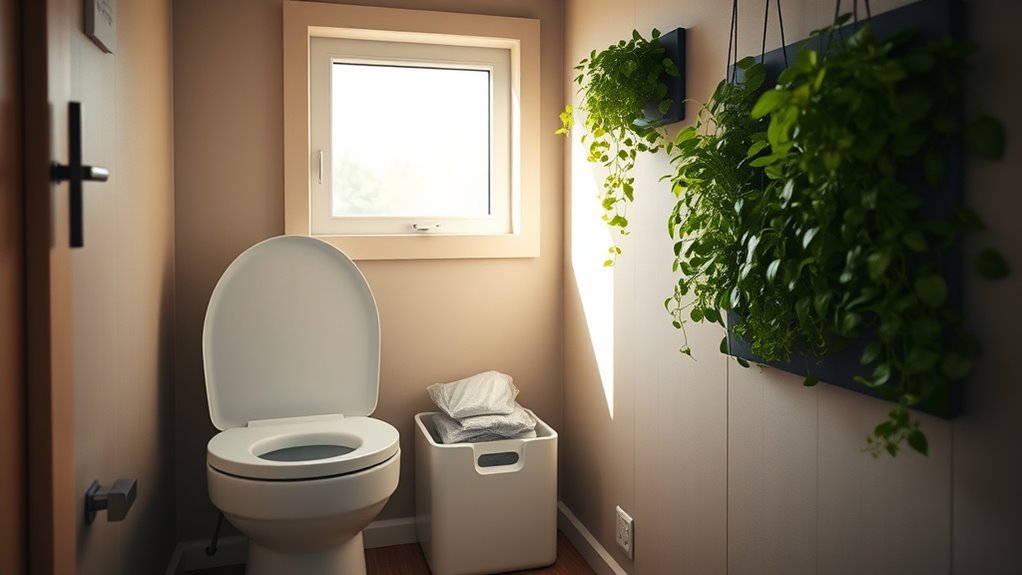
You should consider eco-friendly toilets like composting toilets or urine-diverting models, which minimize water use and reduce waste. Pair these with solar power to efficiently run any necessary fans or pumps, and use rainwater harvesting to supply water for flushing or cleaning. These options keep your tiny home sustainable, conserve resources, and make waste management simpler while supporting your eco-friendly lifestyle.
How Often Should Waste Be Emptied or Serviced in Tiny Houses?
Like clockwork, you should empty or service your tiny house waste system every 1 to 2 weeks, depending on your greywater recycling setup and waste storage capacity. Regular maintenance prevents odors and backups, ensuring smooth operation. Keep an eye on greywater levels and waste container fullness, especially during busy periods. Staying proactive helps you maintain a clean, eco-friendly tiny home environment and keeps everything running seamlessly, just like a well-oiled machine.
Are There Any Legal Restrictions on Waste Disposal in Tiny Homes?
You should verify local zoning regulations and building codes, as they often dictate waste disposal rules for tiny homes. Some areas restrict on-site sewage systems or require permits for composting toilets. Violating these regulations can lead to fines or other penalties. Always research your local laws before installing waste management systems, and consult authorities if you’re unsure. Staying compliant ensures your tiny home remains legal and environmentally responsible.
What Are Cost-Effective Waste Management Solutions for Tiny House Owners?
You can save money by implementing greywater recycling systems that reuse water from sinks and showers for plants, reducing water bills. Composting biodegradable waste like food scraps and paper helps minimize trash and odor. Using biodegradable waste bags and filters makes disposal easier and eco-friendly. These solutions are affordable, simple to maintain, and environmentally responsible, helping you manage waste efficiently without breaking the bank.
greywater recycling kit for small homes
As an affiliate, we earn on qualifying purchases.
As an affiliate, we earn on qualifying purchases.
Conclusion
Managing waste in your tiny house isn’t just about convenience; it’s about sustainability. Some say composting and greywater systems can eliminate the need for traditional sewage, but research shows these methods require careful maintenance and understanding of local regulations. By staying informed and proactive, you can reduce your environmental impact while enjoying the freedom of tiny living. Embrace innovative solutions, and you’ll find waste management becomes a seamless part of your minimalist lifestyle.
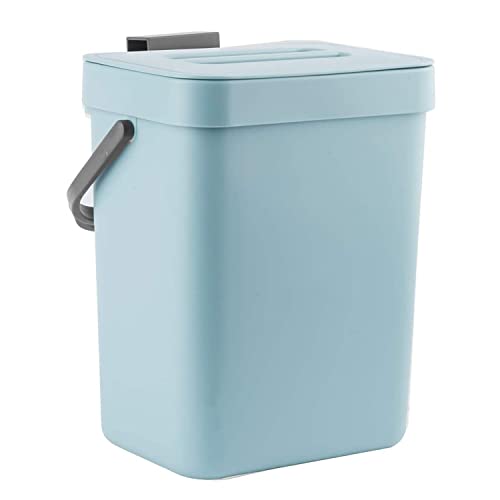
LALASTAR Compost Bin Kitchen, Small Compost Bin for Kitchen, Countertop Compost Bucket with Lid, Odorless Hanging Trash Can for RV/Office/Dog, Mini Food Waste Bin for Countertop, 3L/0.8 Gal, Blue
Notice: Please note the size of the 3L small trash can. If you want larger garbage cans, we…
As an affiliate, we earn on qualifying purchases.
As an affiliate, we earn on qualifying purchases.

The Art of Off-Grid Plumbing: Simple, Safe Systems for Clean Water and Sanitation Without Infrastructure
As an affiliate, we earn on qualifying purchases.
As an affiliate, we earn on qualifying purchases.