A small garden can become your personal herbal medicine patch by strategically planting and maximizing limited space. Use vertical structures, group beneficial herbs, and incorporate companion planting to boost growth, flavor, and pest resistance. Herbs like basil, marigolds, and garlic not only thrive together but also naturally ward off pests. With careful planning, your compact garden will support sustainable, chemical-free remedies. Keep exploring for more tips on creating a thriving medicinal herb space in tight spots.
Key Takeaways
- Small gardens can be transformed into personal herbal pharmacies, maximizing space efficiency and ease of management.
- Companion planting techniques enhance herb growth and natural pest resistance in limited garden spaces.
- Herbs and flowers like marigolds and garlic serve as natural pest repellents, reducing the need for chemicals.
- Vertical gardening and dense planting optimize space, improve airflow, and increase medicinal plant yields.
- Understanding plant interactions promotes healthier herbs and simplifies maintenance in compact herbal garden setups.

Have you ever considered how a small garden can become your personal pharmacy? It’s easier than you might think to grow your own herbal remedies in a compact space, and the key lies in strategic planting. One effective approach is companion planting, which involves pairing certain herbs and plants to enhance growth, flavor, and health. For example, planting basil near tomatoes not only improves tomato flavor but also helps repel pests. Similarly, marigolds can be combined with herbs like basil or dill to ward off unwanted insects. These pairings create a natural synergy, making your small garden more productive and resilient without relying heavily on chemicals.
When you incorporate companion planting into your garden, you also take advantage of pest control benefits. Many herbs and flowers act as natural pest repellents, protecting your medicinal plants from common invaders. For instance, planting garlic or chives around your herbs can deter aphids and beetles, reducing the need for pesticides. Marigolds, with their strong scent, are particularly effective against nematodes and certain flying insects. By thoughtfully selecting your plant companions, you create a natural barrier that keeps pests at bay and promotes healthier, more vigorous herbs. This integrated pest management approach is especially valuable in small gardens, where space is limited and every plant counts.
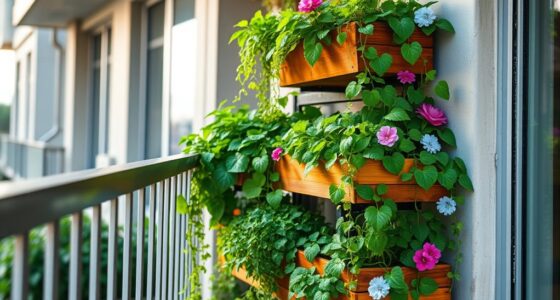
You don’t need a large plot to implement companion planting successfully. In fact, it’s well-suited for small gardens because it maximizes space and minimizes maintenance. You can use vertical structures like trellises or wall-mounted planters to grow herbs and flowers close together, creating a dense, thriving ecosystem. This not only saves space but also improves airflow and reduces the likelihood of disease. As you plan your small herbal garden, consider the specific needs of each plant and how they interact with their neighbors. Grouping herbs that benefit from each other’s presence simplifies pest control and enhances overall health, leading to a more abundant harvest of medicinal plants. Additionally, understanding plant interactions can help optimize growth and health in your garden.

Fogein 5 Tier Vertical Raised Garden Bed Planter Box, Vertical Raised Bed with Drainage Holes for Indoor Outdoor Herbs Flowers Vegetables Plants, Black
Sturdy and Durable-The vertical garden planter is made with a sturdy all-metal frame to ensure durability and longevity….
As an affiliate, we earn on qualifying purchases.
As an affiliate, we earn on qualifying purchases.
Frequently Asked Questions
Which Herbs Are Best for Beginners?
If you’re starting out, try herbs like basil, mint, and chamomile—they’re easy to grow and maintain. When herbal harvesting, pick leaves early in the day for the best flavor and potency. After harvesting, store your herbs properly in airtight containers away from light to preserve their strength. These simple steps make it easier to enjoy fresh herbal remedies and boost your confidence as a beginner gardener.
How Often Should I Water My Herbal Garden?
Think of your herbal garden as a thirsty traveler needing regular care. You should water your herbs whenever the top inch of soil feels dry, typically every 2-3 days, adjusting based on weather. For drought-tolerant herbs, reduce watering frequency to prevent overwatering. A consistent watering schedule keeps your herbs healthy, ensuring they thrive and give you vibrant, medicinal leaves whenever you need them.
Can I Grow Medicinal Herbs Indoors?
Yes, you can grow medicinal herbs indoors. Make sure to select indoor lighting solutions like grow lights or place your herbs near a sunny window to provide enough light. Use proper containers with drainage and water your herbs regularly. Keep an eye on herbal harvest timing; pick herbs when they are most potent, usually just before flowering. This way, you’ll ensure a healthy, thriving indoor herbal garden.
What Soil Type Is Ideal for Herbal Plants?
You should use well-draining, loamy soil for your herbal plants. Incorporate soil amendments like compost or organic matter to boost nutrients and improve structure. Keep planting depths appropriate for each herb—usually 1 to 3 inches deep—so they establish well. Avoid heavy, clayey soils that retain water, as they can cause root rot. Adjust soil pH if needed, aiming for a slightly acidic to neutral range for most herbs.
How Do I Prevent Pests in My Herbal Garden?
Kick pests to the curb by using effective pest control methods like introducing beneficial insects and applying natural repellents such as neem oil or garlic spray. Keep your garden healthy by removing debris and weeds, which can harbor pests. You’re as tight as a drum when you stay vigilant and practice companion planting, making it tough for pests to find a foothold. Consistency is key to keeping your herbal garden pest-free.

Medicinal Herb Seeds Variety Pack – 39 Heirloom Non-GMO Apothecary Seed Kit, Herbal Medicine & Tea Garden, Made in USA
39 Medicinal Herbs for Health & Healing: Grow your own herbal apothecary at home with premium heirloom, non-GMO…
As an affiliate, we earn on qualifying purchases.
As an affiliate, we earn on qualifying purchases.
Conclusion
With just a small garden, you can open a world of healing right at your doorstep. Think of it as planting a tiny pharmacy, where each herb is a natural remedy waiting to soothe and invigorate. Don’t let limited space hold you back—your garden can be a lush oasis of wellness. Embrace the opportunity to nurture these medicinal plants, turning your yard into a personal sanctuary of health and harmony.

Seed Needs Herb Seeds Variety Pack Culinary Herb Collection (12 Individual Packets for Planting Indoors or Outdoors) Grow Your Own Herb Garden – Heirloom, Non-GMO
Indoor Herb Garden: Grow your own indoor herb garden with our 12 variety pack of herb seeds. This…
As an affiliate, we earn on qualifying purchases.
As an affiliate, we earn on qualifying purchases.

Small Garden Tools – 3 Pcs Mini Garden Tools Set with Small Trowel, Mini Shovel & Hand Rake Made of Rust-Resistant Iron & Solid Wood – Indoor Gardening Tools Set for Succulent, Bonsai & Pot Plants
Complete Mini Gardening Tools Set: This 3-piece garden tool set includes small shovels for gardening, a hand trowel,…
As an affiliate, we earn on qualifying purchases.
As an affiliate, we earn on qualifying purchases.