To make homeschooling work in a tiny home, you can get creative with space by using multi-purpose furniture and vertical storage, so each area serves a different function. Incorporate outdoor learning by using nearby parks or your yard, boosting engagement with natural light and fresh air. Flexibility is key—switch between indoor and outdoor lessons based on weather, and involve your children in designing the space to foster ownership. Keep exploring how design and planning can help you create a seamless learning environment.

Get compact home essentials delivered free with Prime
- Fast, free delivery on millions of items
- Prime Video, Amazon Music and more included
- Member-only deals all year
Key Takeaways
- The family utilized outdoor spaces for lessons, enriching learning with nature and promoting engagement.
- They designed flexible, multi-use areas inside the tiny home to maximize limited space for different activities.
- Portable curriculum tools and outdoor lessons allowed adaptable scheduling based on weather and needs.
- A dedicated learning nook with natural light and calming scents helped create a focused environment.
- Incorporating technology like projectors supported diverse, multimedia learning experiences within the small space.

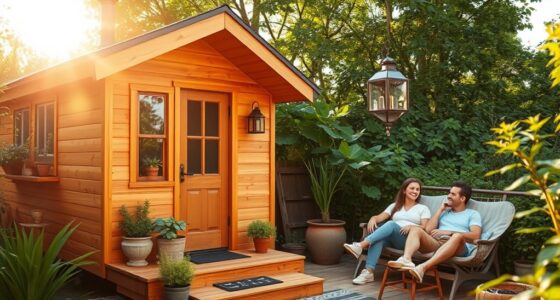
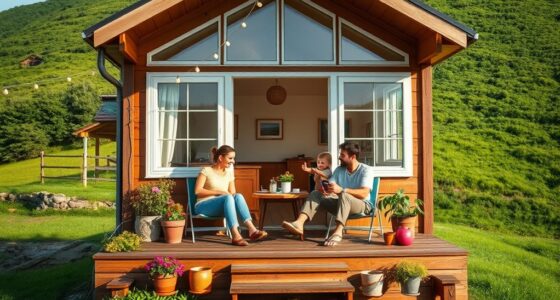
Have you ever wondered how homeschooling can work seamlessly in a tiny home? It’s a common question, especially when space is limited, but with a bit of creativity, it’s entirely doable. One key to making it successful is embracing outdoor learning. Instead of confining lessons to a cramped indoor space, you can take advantage of your yard, park, or nearby nature spots. Outdoor learning offers a fresh environment that stimulates curiosity and makes lessons more engaging. Whether you’re studying plants in a garden, observing insects, or practicing math through outdoor activities, these experiences break up the day and keep both you and your kids energized. Plus, fresh air and natural light boost focus and mood, making learning more effective.
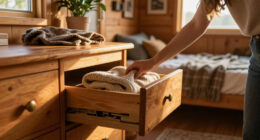
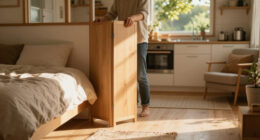
Another major factor is creative space design. In a tiny home, every inch counts, so you need to think outside the box when setting up your learning areas. Multi-use furniture is a game-changer; for example, fold-away desks or beds that double as workspaces help maximize space. You can also designate specific zones within your home for different activities—like a cozy corner for reading, a small table for art projects, or a compact desk for computer work. Vertical storage solutions keep clutter at bay, ensuring the area stays functional and inviting. It’s about designing your space to serve multiple purposes, so learning doesn’t feel confined or restricted. Incorporating colorful, inspiring decor can make the environment feel lively and stimulating, encouraging your children to explore and learn comfortably. Additionally, integrating natural light into your space design can significantly enhance the learning environment by creating a bright, inviting atmosphere. Using aroma diffusers can also help create a calming ambiance that supports concentration and relaxation during study sessions. Creating a dedicated learning nook within your tiny home can further help your children associate a specific space with focus and study, reinforcing good habits. It’s also beneficial to research space-efficient storage options that help you maximize every inch of your limited area.
Flexibility is crucial in a tiny home homeschooling setup. You might start your day indoors, then shift lessons outside when the weather allows. Having a portable curriculum—think foldable maps, portable art supplies, or a rolling cart with books—means you’re not tied down to one spot. This flexibility fosters a dynamic learning rhythm and helps you adapt to your daily needs. Additionally, involving your kids in the space design process can boost their enthusiasm and sense of ownership over their learning environment. When they see their ideas incorporated—like a dedicated art wall or a cozy reading nook—they feel more motivated and engaged.
In essence, successfully homeschooling in a tiny home hinges on your ability to blend outdoor learning opportunities with creative space design. It’s about making the most of limited space by prioritizing flexibility, functionality, and inspiration. Using projector technology can even enhance your lessons by providing engaging visual content when you want to switch from traditional books or outdoor activities. With a little planning, you create an environment where your kids can thrive academically and emotionally, all within the cozy comfort of your tiny home.
multi-purpose furniture for small spaces
As an affiliate, we earn on qualifying purchases.
As an affiliate, we earn on qualifying purchases.
Frequently Asked Questions
How Do You Store All Your Homeschooling Materials in Such a Small Space?
You can store all your homeschooling materials in a tiny home by using clever storage solutions like wall-mounted shelves, bins, and multi-purpose furniture. Keep organized with labeled containers and vertical space to maximize storage. Regularly declutter and prioritize essential supplies. Incorporate organizational tips like using clear containers so you see everything at a glance. This way, your homeschool materials stay tidy, accessible, and neatly tucked away in your small space.
What Daily Routines Help Maintain Balance Between Work and Play?
Like a well-tuned orchestra, you create daily routines that blend work and play through creative scheduling and family collaboration. You set designated times for learning, chores, and fun activities, ensuring everyone knows the plan. Regular breaks refresh your energy, while family check-ins foster connection. This balance keeps your tiny home harmonious, letting you enjoy productive days and joyful moments together.
How Do You Accommodate Different Learning Styles in Limited Space?
You accommodate different learning styles by using flexible seating options, allowing each family member to choose a comfortable spot that suits their needs. Incorporate multi-sensory approaches, like hands-on activities, visual aids, or auditory tools, to engage all learners. This way, you maximize limited space and guarantee everyone’s learning preferences are met, creating an adaptable environment where each child feels supported and motivated to explore and grow.
What Challenges Do You Face With Privacy and Quiet Time?
Privacy concerns are like ghosts in a tiny home—ever-present and hard to ignore. To carve out quiet time, you might hide in the bathroom or use noise-canceling headphones, pretending you’re in a secret bunker. Creating designated zones for focused work helps, but don’t be surprised if your “quiet space” becomes a make-believe castle or a nap zone. The key? Embrace the chaos and find humor in the hustle.
How Do You Manage Outdoor Learning Activities in a Tiny Home Setting?
You manage outdoor learning by incorporating garden projects and outdoor exploration into your routine. You set aside specific times for kids to work on planting or tending the garden, making it educational and fun. You also encourage exploration in nearby parks or nature trails, turning outdoor spaces into natural classrooms. This approach keeps learning engaging, helps kids connect with nature, and maximizes your tiny home’s limited indoor space.
Conclusion
So, who knew that squeezing learning into a tiny space could be so revolutionary? As you’ve seen, with a little creativity and a lot of patience, your cramped quarters can turn into a classroom of endless possibilities. Forget fancy schools and sprawling campuses—your tiny home might just be the ultimate educational adventure. Who needs square footage when you’ve got big ideas? Embrace the chaos, because in this family’s world, less space means more learning—and maybe a little chaos too!
Halloween Picks
halloween
As an affiliate, we earn on qualifying purchases.