
TL;DR

Get compact home essentials delivered free with Prime
- Fast, free delivery on millions of items
- Prime Video, Amazon Music and more included
- Member-only deals all year
Livingetc’s stylist says two lamps are a practical starting point for most living rooms, not a fixed rule. Room layout, activities and the desired mood should guide whether a space needs one lamp, three or more, and where each should go.
Livingetc’s stylist recommends two lamps as a starting point for most living rooms, while stressing that the right number depends on the room’s layout, size and use. The advice shifts the question away from a fixed lamp count and toward creating separate, comfortable pools of light for activities such as reading, watching television and hosting guests.
The stylist says a smaller living room with a good ceiling light may need only one table lamp and one floor lamp. A larger or open-plan space, or one divided into distinct areas such as a reading corner and television zone, may benefit from three or more lamps. The recommendation is a starting point, not a prescribed design formula.
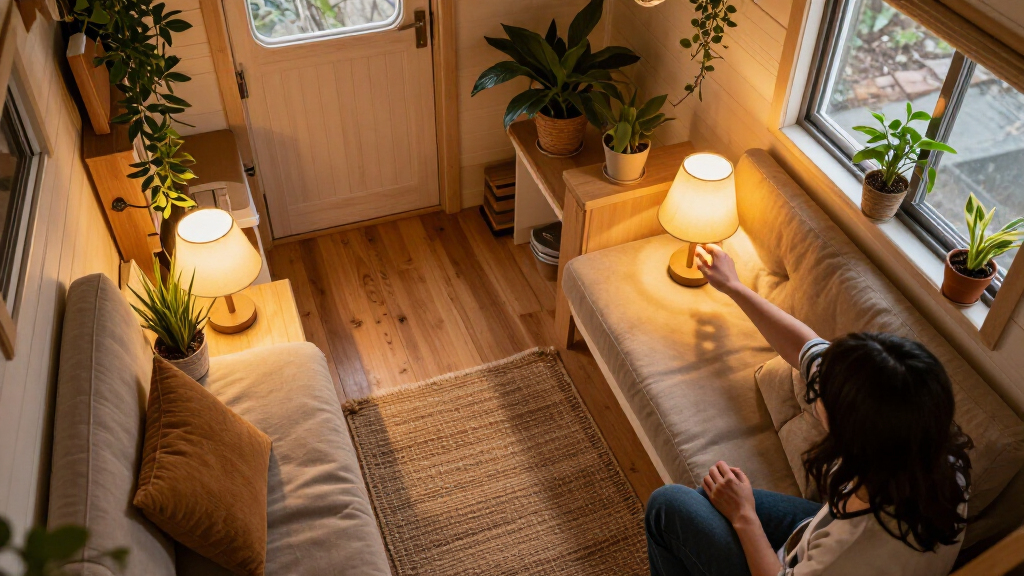
Placement should follow how people use the room. A lamp beside a sofa can soften the light in the seating area, while a floor lamp beside an armchair can provide reading light. A lamp on a console or sideboard can brighten a darker stretch of wall and draw attention to objects or artwork. The stylist recommends distributing light around the room and using lamps at different heights rather than concentrating illumination in one spot.
The report also advises giving lamps distinct functions instead of buying several that do the same job. A fabric-shaded lamp can provide a soft glow, a sculptural lamp can serve as a decorative feature, and an adjustable floor lamp can direct light toward a chair or work area. Shoppers should check a lamp’s height and reach, as well as whether its bulb and dimmer are compatible, before buying.
Lighting That Fits Daily Use
The advice matters because lamp count alone does not determine whether a living room feels comfortable. A pair of well-placed lights can serve different needs, while a bigger or divided room may leave some areas dim if it relies on the same arrangement. Thinking about activities and layout gives readers a practical way to decide whether another lamp would improve the room or simply add clutter.
Layered lighting also gives residents more choice about how the room feels in the evening. The Livingetc report says the aim is to create separate pools of light so people can turn off the main overhead light and still see comfortably. That flexibility can support reading, entertaining or relaxing without requiring every lamp to be switched on at once.
The recommendation is stylistic guidance, not a technical lighting standard. It does not set a required number of lamps or promise a particular result; instead, it suggests matching each light source to a specific need and the atmosphere the household wants.
Products Worth Considering

Samsung 85 M80H Series Mini LED 4K Smart TV (2026)

Samsung 85-Inch M70H Series Mini LED 4K Smart TV (2026)

LEVOIT Vital 200S-P Smart Air Purifier for Large Rooms
As an affiliate, we earn on qualifying purchases.
From Lamp Count to Layout
The Livingetc report frames its answer against a wider interest in sculptural forms and softer, atmospheric light. In that approach, lamps can contribute to a room’s appearance even when switched off, but the article’s central advice remains functional: choose pieces that add something distinct and place them where light is needed.
Two designers quoted in the report support planning by purpose. Emma Deterding, founder and creative director of Kelling Designs and KDLoves, says lighting should be considered early in the design process and planned around how a room will be used, including reading or desk work. That can be relevant during renovations, when outlet and switch locations can be considered in advance; existing rooms can still use plug-in table and floor lamps.
Suzanne Duin, founder of lighting brand Maison Maison, describes ambient, task and accent lighting as different layers to balance. The report uses those categories to help readers evaluate what a lamp contributes, rather than treating a particular number as the goal.
““Two is my comfortable starting point for most living rooms.””
— Livingetc stylist, in the report
No Fixed Number or Formula
The report does not give a universal lamp count, a formula based on square footage or a measured brightness target. Its suggestions are styling guidance, and individual needs may differ according to furniture placement, available ceiling lighting and activities in the room. It also does not provide a publication date in the supplied source material.
The article offers no independent testing or quantified evidence that two lamps will suit most households. Readers should treat the recommendation as a starting point and judge whether each area has enough light for its intended use. The source does not specify bulb brightness, color temperature or a standard method for deciding when a room needs another lamp.
Apply the Advice at Home
The next step for readers is to map the room’s activities and identify where light is missing: beside a sofa, near a reading chair, or along a dark wall. Starting with two lamps in different locations follows the stylist’s recommendation, but the arrangement should be adjusted if the space is large, open-plan or divided into separate zones.
Before adding a lamp, consider whether it will provide ambient, task or accent light that the room lacks. Check its dimensions and light reach, and confirm bulb and dimmer compatibility. For a renovation, the report advises planning outlets and switches early; where existing wiring is involved, electrical work should be handled by a qualified professional.
Key Questions
How many lamps does Livingetc recommend for a living room?
The stylist recommends two lamps as a starting point for most living rooms. The report says a smaller room may need one table lamp and one floor lamp, while a larger or divided space may need three or more.
Where should living-room lamps go?
Place lamps where people need light: beside a sofa for softer evening illumination, near an armchair for reading, or on a console or sideboard to brighten a darker wall. The report recommends spreading light around the room and varying its height.
Do the lamps need to match?
No. The stylist suggests that lamps can have different shapes and roles. A table lamp and a floor lamp with distinct designs may make a more relaxed arrangement than matching pairs, provided each contributes something useful.
What should I check before buying a lamp?
Check the lamp’s height and light reach, and confirm that its bulb and any dimmer are compatible. Also consider whether it provides the kind of light the room needs, such as a soft ambient glow or focused reading light.
Source: rss