
TL;DR

Get compact home essentials delivered free with Prime
- Fast, free delivery on millions of items
- Prime Video, Amazon Music and more included
- Member-only deals all year
An Ideal Home writer reports that reusable Beldray anti-static dryer balls, priced at £9.99, reduced her typical tumble-dryer cycle from around two and a half hours to an average of one and a half. That is her personal experience, not a controlled test or a guarantee; she says results depend on load size and fabric type.
Ideal Home writer Jenny McFarlane says a pair of Beldray anti-static tumble-dryer balls priced at £9.99 reduced her usual drying cycle from about two and a half hours to an average of one and a half. The report is a personal account rather than a controlled comparison, and McFarlane says the result varies with the size and type of laundry load.
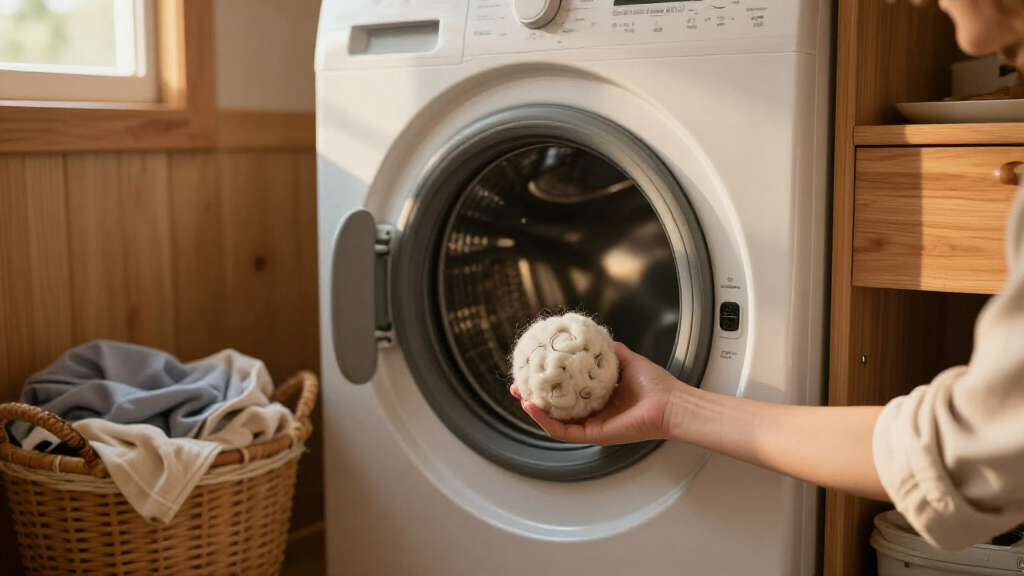
McFarlane says she puts the two reusable balls into the tumble dryer with wet laundry and runs the machine as usual. As the drum turns, the balls move among the clothes and help separate items that might otherwise bunch together. The report explains that this can allow warm air to circulate through the load more evenly; Beldray says this helps laundry dry faster.
The writer describes the biggest improvement with bedding, which she says can twist into a bundle and leave damp areas trapped inside. She also reports finding the balls useful when drying several loads in a day. Her stated average cycle time fell from around 2.5 hours to around 1.5 hours, but the source does not provide a test protocol, a sample of recorded cycles or measurements for individual types of load.
The product is marketed as reusable and anti-static. According to the report, the balls are also intended to soften fabrics and help reduce wrinkles and creases. McFarlane says she noticed faster, more even drying, but cautions that the accessory should not be expected to dramatically cut energy bills or halve the time for every full load.
A Small Change to Laundry Time
For households relying on a tumble dryer when outdoor drying is impractical, even a modest reduction in a cycle could make laundry easier to manage. The review’s account is especially relevant to people drying sheets, towels or other bulky items that can collect in a tight bundle and retain damp patches.
But the reported time saving does not establish what other households will experience. The article gives no independent test results or energy-use figures, so it cannot show whether using the balls will lower a household’s electricity costs. The practical takeaway is narrower: one reviewer found them helpful for her laundry, at a listed price of £9.99, while the benefit may depend on the load and dryer.
Products Worth Considering

Dyson Ball Animal 3 Corded Upright Vacuum

Dyson Big Ball Multi Floor Canister Vacuum, Yellow

Bose TV Speaker Compact Soundbar with Bluetooth and HDMI-ARC, Black
As an affiliate, we earn on qualifying purchases.
How the Dryer Balls Are Used
The Ideal Home report frames the product as one option for indoor laundry during colder weather, when the writer says she cannot rely on a washing line. She also mentions using a heated clothes airer with a dehumidifier, while sending items such as bedding, towels and children’s clothes to the tumble dryer.
The balls require no separate cycle or change to the writer’s routine: she says to place both in the drum alongside wet laundry and start the dryer normally. The article also mentions other reusable products, including wool dryer balls and textured alternatives, but provides no comparative test showing that one type performs better than another.
“My usual drying cycle takes around two and a half hours, and these guys have reduced the time to, on average, one and a half.”
— Jenny McFarlane, Ideal Home writer
Results Depend on Each Load
The report does not establish that the balls will reduce cycle times by the same amount for other users. It gives one writer’s average experience, but does not say how many cycles were tracked, whether the dryer settings and loads were held constant, or how the result was measured. McFarlane herself says outcomes depend on the amount and type of laundry.
There are also no figures for electricity consumption, cost savings, fabric wear or the size of any reduction in static or creasing. The product’s stated benefits should not be treated as independently verified performance findings based on the material supplied. The listed £9.99 price is the price cited in the report and may change.
What Shoppers Can Check
Readers considering the product can check its current price and the manufacturer’s instructions before use, then judge performance against their own usual loads and cycle settings. The review offers no follow-up testing or wider household data, so it remains unclear whether its reported time saving is typical.
Any assessment of a possible bill reduction would require energy-use measurements as well as cycle-time comparisons. Until such figures are available, the source supports a personal report of faster drying—not a quantified promise of lower costs or a guaranteed result.
Key Questions
What is the £10 tumble-dryer trick?
It is putting a pair of reusable Beldray anti-static dryer balls in the tumble dryer with wet laundry. Ideal Home cited a price of £9.99.
How much faster did the reviewer say her laundry dried?
Jenny McFarlane said her usual cycle of around two and a half hours took an average of around one and a half hours when she used the balls. This was her reported experience, not a guaranteed saving.
Which laundry did she find the balls most useful for?
She singled out bedding, saying sheets can twist into a bundle and leave damp areas inside. She also found the balls useful when drying several loads in a day.
Are lower energy bills confirmed?
No. The report gives no energy-use or cost measurements. McFarlane specifically cautioned against expecting the balls to dramatically reduce bills.
Will the balls work the same way for every load?
The report does not establish that. McFarlane says the result depends on how much laundry is in the dryer and what items are being dried.
Source: rss