
To install windows for natural light, start by choosing south-facing walls for ideal sunlight. Consider window size, height, and placement to maximize brightness and avoid blocking with furniture or curtains. Use glass types like double-glazed low-E windows to balance light and energy efficiency. Position windows carefully, accounting for sun angles and surrounding obstructions. Proper installation guarantees maximum sunlight and comfort—keep exploring to discover more tips on creating bright, inviting spaces.
Key Takeaways
- Choose south-facing walls and optimal window sizes to maximize sunlight entry throughout the day.
- Use energy-efficient glass types like double-glazed low-E windows to enhance light while reducing heat gain.
- Position windows at appropriate heights, such as floor-to-ceiling, to increase natural light and create open spaces.
- Consider potential obstructions like trees or neighboring buildings during placement to ensure maximum sunlight access.
- Install windows with proper sealing and insulation to maintain comfort, prevent leaks, and optimize daylight benefits.
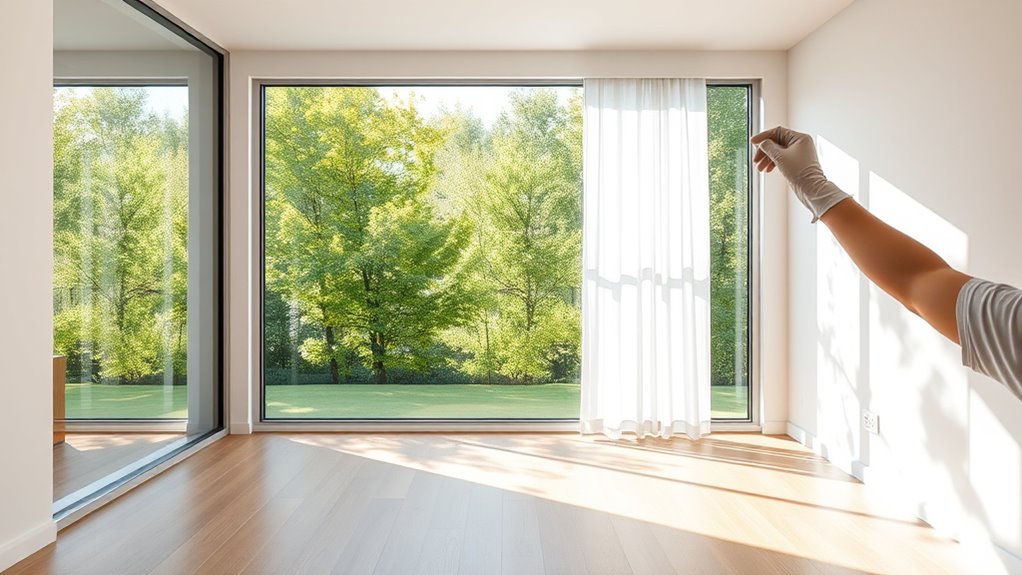
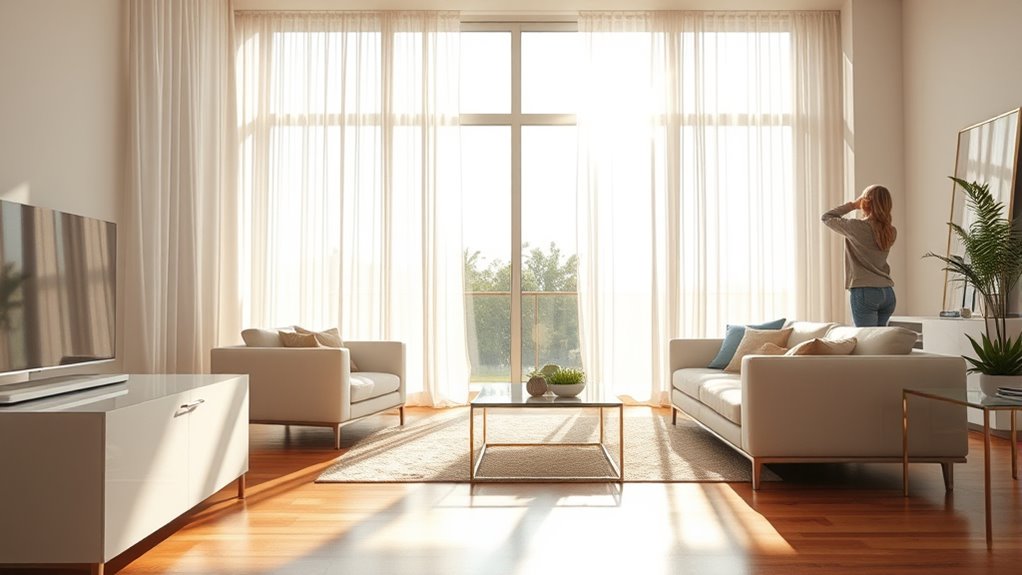
Have you ever wondered how to maximize natural light in your home? The key lies in strategic window installation, starting with thoughtful window placement. When deciding where to put your windows, consider how sunlight moves throughout the day and across seasons. Position windows on the south-facing walls if you’re in the Northern Hemisphere, as they tend to receive the most consistent sunlight. For rooms that need more daylight, avoid blocking windows with furniture or curtains, and think about placing larger windows where they’ll catch the sun’s rays. Don’t forget about the height of your windows too; taller, floor-to-ceiling windows can flood a space with light and create a bright, open atmosphere.
Maximize natural light by thoughtful window placement, especially on south-facing walls and with floor-to-ceiling designs.
Next, you’ll want to pay close attention to the glass types you choose. Not all glass is created equal when it comes to natural lighting, energy efficiency, and comfort. Clear, single-pane glass provides maximum light, but it offers less insulation and can cause heat loss or gain, making your home less comfortable and more expensive to heat or cool. Double-glazed windows with low-emissivity (low-E) coatings balance light transmission with insulation, reducing energy costs while still allowing ample daylight. If you live in an area with intense sunlight, tinted or coated glass can help minimize glare and heat without sacrificing too much natural light. Additionally, consider innovative options like laminated glass or reflective coatings, which can filter sunlight effectively while maintaining privacy and reducing UV damage to furnishings.
When installing your windows, ensure they’re positioned to optimize sunlight without causing excessive heat gain. Proper placement means considering the angle of the sun at different times of day, along with potential obstructions like trees or neighboring buildings. Installing windows with the right glass types can markedly enhance your home’s comfort and energy efficiency. Remember, the goal isn’t just to flood your space with light but to do so in a way that’s sustainable and comfortable year-round. Incorporating solar orientation into your planning can further enhance natural light while minimizing unwanted heat gain.
Ultimately, the combination of smart window placement and selecting the appropriate glass types will help you maximize natural light, reduce energy bills, and create a welcoming, vibrant environment inside your home. With a little planning and the right materials, you can enjoy bright, airy spaces that feel larger and more inviting.
double glazed low-E windows
As an affiliate, we earn on qualifying purchases.
As an affiliate, we earn on qualifying purchases.
Frequently Asked Questions
How Does Window Placement Affect Energy Efficiency?
Your window placement considerably impacts energy efficiency by maximizing natural light and reducing heating or cooling costs. Position windows to face the sun strategically, and choose durable window frame materials like vinyl or wood for insulation. Incorporate shading solutions such as blinds or exterior shades to control heat gain during summer and retain warmth in winter. Proper placement and these features help you save energy and stay comfortable year-round.
What Are the Best Window Styles for Maximizing Sunlight?
You should choose large, unobstructed picture windows or expansive casement windows to maximize sunlight. Opt for minimal framing to let in more light and consider window tinting to control glare and UV rays. Use light-colored window treatments like sheer curtains or blinds that can be easily adjusted to increase natural brightness. These styles and treatments help you enjoy maximum sunlight while maintaining comfort and energy efficiency throughout the day.
How to Prevent Glare and UV Damage?
Think of your windows as a shield guarding your home from harsh rays. To prevent glare and UV damage, you should consider window tinting and UV filters. These act like sunglasses for your windows, blocking out excess sunlight and harmful ultraviolet rays while still letting in natural light. Installing these solutions helps protect your furniture and skin, creating a comfortable space where sunlight soothes rather than harms.
Are There Legal Restrictions on Window Sizes?
You should check building codes and zoning laws in your area, as they often specify window size restrictions for safety, privacy, and aesthetic reasons. Local regulations may limit how large your windows can be, especially in certain zones or building types. It is crucial to consult your city or county planning department before installation to ensure your window sizes comply with legal standards and avoid potential fines or required modifications.
How to Maintain Privacy With Large Windows?
To maintain privacy with large windows, you can install window treatments like blinds or curtains that you can easily open or close. Privacy films are also effective; they provide a frosted or tinted look, blocking visibility while still allowing natural light. Combining these options offers flexible privacy and maximizes natural light, ensuring your space feels open yet private whenever you need.
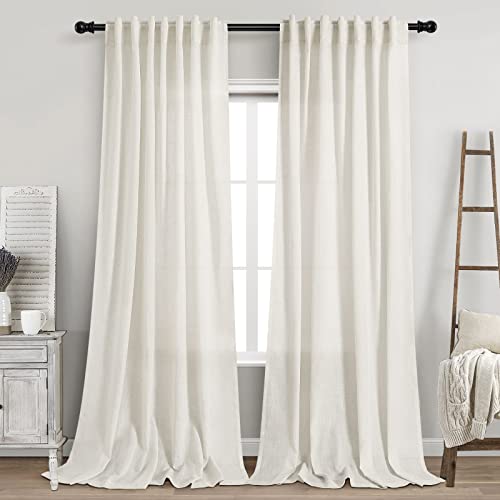
Extra Long Curtains 120 inch Length 2 Panels Back Tab Neutral Farmhouse Drapes Light Filtering Semi Sheer Linen Curtain 120 inches Long for Floor to Ceiling Window Patio Sliding Door Cream 10 FT
READY MADE: 2 Linen Curtain Panels per package.Each panel measures 52 inches wide by 120 inches long. Top…
As an affiliate, we earn on qualifying purchases.
As an affiliate, we earn on qualifying purchases.
Conclusion
Installing windows for natural light isn’t just about brightening your space; it’s about transforming your entire world. With the right windows, you’ll feel like you’re living in a perpetual sunrise, where every moment is bathed in golden warmth and endless energy. Don’t settle for dull, shadowy rooms—embrace the sunlight and let it revitalize your life. Remember, a home flooded with natural light isn’t just brighter; it’s a gateway to happiness, health, and limitless possibilities.

Vinyl Single Hung Sliding Window, 24" x 36" Household Window with Double-Pane Insulated Tempered Glass, White Energy-Efficient Soundproof Window for House, Mobile Home
Double-Pane Insulated Glass: Our Vinyl Single Hung Windows feature energy-efficient double-pane construction. Enjoy reduced noise from outside and…
As an affiliate, we earn on qualifying purchases.
As an affiliate, we earn on qualifying purchases.
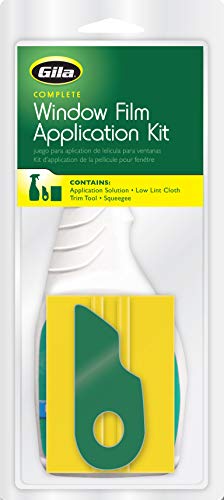
Gila RTK500 06008001427 Window Film Complete Installation Kit, 1-Pack ( Packaging May Vary )
WORKS WITH ANY RESIDENTIAL WINDOW FILM: Created for better results, whether you're working with longer lasting adhesive film…
As an affiliate, we earn on qualifying purchases.
As an affiliate, we earn on qualifying purchases.