
TL;DR

Get compact home essentials delivered free with Prime
- Fast, free delivery on millions of items
- Prime Video, Amazon Music and more included
- Member-only deals all year
A recent study indicates that modern decor styles could be causing increased mental fatigue. Experts warn this may impact well-being and productivity. The findings are preliminary and more research is needed.
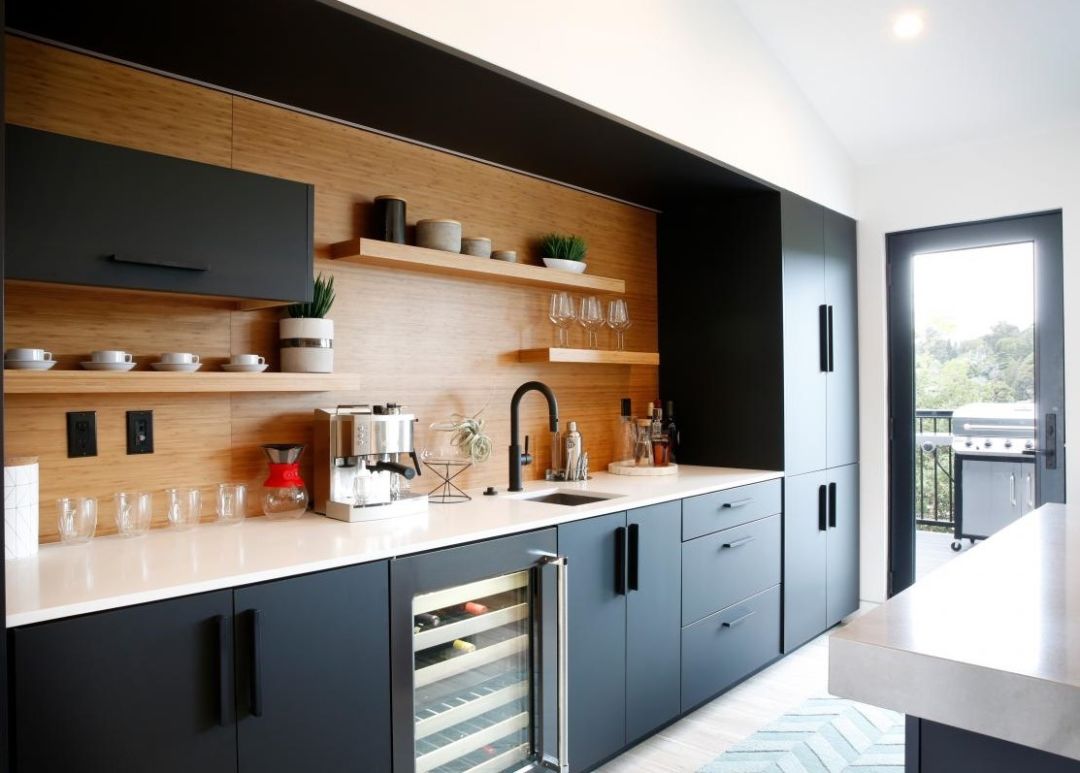
Recent research indicates that modern interior decor, characterized by minimalism, neutral tones, and clutter-free spaces, may be linked to increased cognitive strain in individuals. While these design trends are popular for their aesthetic appeal, experts warn they could be impacting mental health and focus. The findings are preliminary but have sparked discussions among psychologists and interior designers about the potential unintended effects of contemporary decor choices.
The study, conducted by a team of cognitive scientists at the University of New Hampshire, involved monitoring participants’ brain activity while they interacted with various room designs. Results showed higher levels of mental fatigue when individuals were exposed to modern decor styles compared to more traditional or eclectic interiors. Researchers suggest that the simplicity and uniformity of modern decor may reduce visual stimulation, leading to increased cognitive effort as the brain attempts to interpret and process the environment.
Experts like Dr. Laura Jensen, a cognitive psychologist involved in the study, stated, “Our brains are wired to seek visual variety and complexity. When environments lack these elements, it may cause the brain to work harder to find stimulation, leading to fatigue.” The research also noted that participants reported feeling more mentally exhausted after spending time in modern, minimalist spaces. However, the study’s authors emphasized that these findings are initial and require further investigation to establish causality and broader implications.
Potential Impacts of Modern Decor on Mental Well-Being
This research raises concerns about the widespread popularity of modern interior design, especially as many people spend significant amounts of time in these environments—homes, offices, and public spaces. If confirmed, the findings could influence interior design practices, encouraging a balance between aesthetic minimalism and environments that support cognitive health. For individuals prone to mental fatigue or with existing cognitive issues, these insights might prompt reconsideration of their living and working spaces to reduce potential stressors.
Moreover, the study underscores the importance of environment in mental health, suggesting that design choices can have subtle but meaningful effects on cognitive load and emotional well-being. While the research is still in early stages, it emphasizes the need for designers and consumers to consider psychological impacts alongside aesthetic preferences.
ergonomic desk chair for mental health
As an affiliate, we earn on qualifying purchases.
As an affiliate, we earn on qualifying purchases.
Modern Decor Trends and Their Psychological Effects
Over the past decade, minimalism and neutral color schemes have become dominant in interior design, driven by trends favoring simplicity and clutter-free spaces. These styles are often associated with modern, sleek aesthetics and are widely adopted in homes, offices, and commercial spaces. While previous studies have linked decor to mood and productivity, this is among the first to explore potential cognitive effects related to visual simplicity.
Earlier research has shown that environments rich in visual stimuli can either stimulate or overstimulate the brain, affecting focus and stress levels. The current study builds on this foundation, suggesting that the absence of visual complexity may lead to increased mental effort, a hypothesis that warrants further exploration. The findings arrive amid broader discussions about how environment design influences mental health, especially in the context of remote work and increased time spent indoors.
“”Our brains are wired to seek visual variety and complexity. When environments lack these elements, it may cause the brain to work harder to find stimulation.””
— Dr. Laura Jensen, cognitive psychologist
Unconfirmed Causal Links and Broader Implications
While the initial findings suggest a correlation between modern decor and increased cognitive fatigue, it is not yet confirmed that design directly causes these effects. The study’s sample size is limited, and other factors such as individual differences and environmental context may influence results. Researchers acknowledge that more extensive, longitudinal studies are necessary to establish causality and understand long-term impacts. Additionally, it remains unclear whether specific elements of modern decor—such as color palette, layout, or materials—are more influential than others.
Further Research and Practical Design Recommendations
Researchers plan to conduct larger-scale studies across diverse populations to verify and expand upon these initial findings. In parallel, interior designers and mental health professionals are encouraged to collaborate on developing guidelines that balance aesthetic minimalism with environments that support cognitive well-being. Consumers may also want to consider incorporating elements of visual variety and warmth into modern spaces to mitigate potential mental fatigue. Ultimately, ongoing research will determine whether these findings lead to shifts in design practices or recommendations for healthier indoor environments.
Key Questions
Can modern decor styles cause mental fatigue?
Current research suggests there may be a link between modern decor’s simplicity and increased cognitive effort, but definitive proof of causation is still lacking. More studies are needed.
What features of modern decor might contribute to this effect?
Researchers hypothesize that the lack of visual complexity, such as minimal patterns and neutral tones, could reduce stimulation, leading to increased mental effort to interpret the environment.
Should I avoid modern decor based on this research?
Not yet. The findings are preliminary. If concerned, consider adding elements that provide visual interest or warmth to your space while maintaining a minimalist aesthetic.
How might this research influence interior design practices?
Designers may start to incorporate more varied textures, colors, and visual elements to create environments that are both aesthetically pleasing and cognitively supportive.
What further research is needed?
Large-scale, long-term studies are necessary to confirm causality, identify specific design features that impact cognition, and develop evidence-based guidelines for healthier interior environments.
Source: hn
Fall Picks
fall essentials
As an affiliate, we earn on qualifying purchases.