
TL;DR

Get compact home essentials delivered free with Prime
- Fast, free delivery on millions of items
- Prime Video, Amazon Music and more included
- Member-only deals all year
A House Beautiful report outlines seven fall garden tasks experts recommend before winter, including removing diseased plant material, planting bulbs and garlic, and draining hoses. The advice is intended to protect plants, soil and equipment and give gardeners a head start in spring; local weather and plant needs affect the timing.
A House Beautiful report recommends completing seven garden tasks in fall, before the first hard freeze, to reduce winter damage and make spring planting easier. The checklist draws on advice from gardening experts and covers clearing edible and diseased plant material, planting bulbs and garlic, watering dry soil, adding compost and protecting tools and hoses.
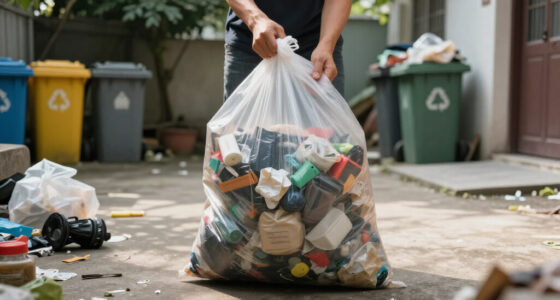
The report says the first light frost can signal that warm-weather vegetables and annuals are dying back and that gardeners can begin clearing beds. Corinne Beirne, founder of The Nourished Garden, advises removing leftover fruits and vegetables, which can attract pests. Abbie Edwards, a gardening expert and Hoselink brand ambassador, recommends disposing of plants affected by blight, mildew or pests rather than composting them, since disease can persist into the next season.
For healthy spent plants, Beirne recommends cutting stems at soil level instead of pulling up the roots. The report also cautions against removing every seed head or bit of leaf litter: Edwards says coneflowers, rudbeckia and ornamental grasses can provide seeds for birds, while hollow stems and some leaf litter offer shelter to beneficial insects.
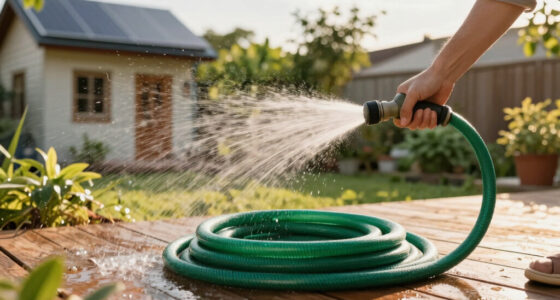
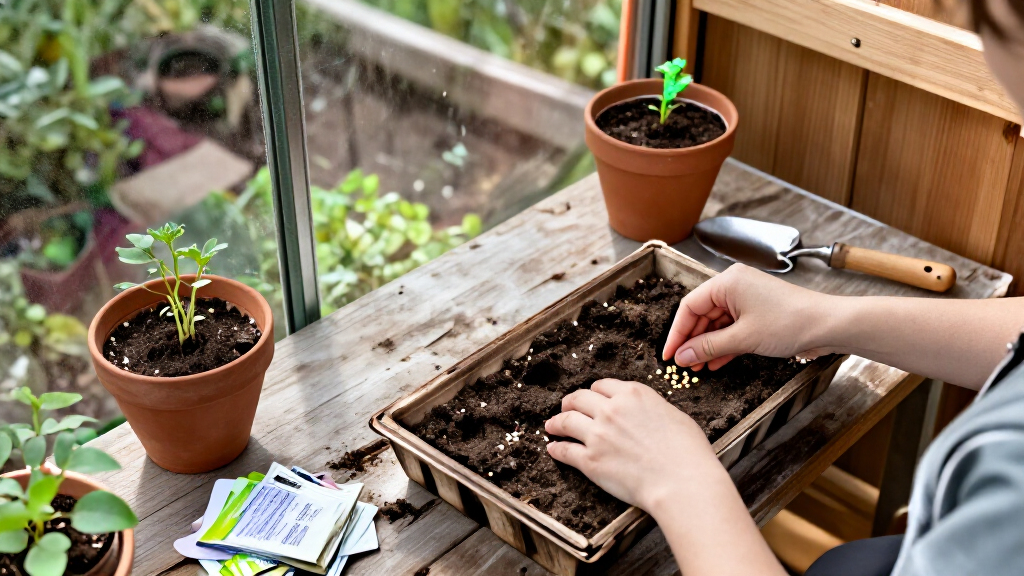
Other recommended jobs include planting spring-flowering bulbs, garlic and shallots; deeply watering dry soil before it freezes; and spreading a thin layer of compost over the soil without tilling it in. John Ballard, founder of That Yucca Stuff, also recommends taking a soil sample to a local county extension office. For equipment, Edwards advises disconnecting hoses from taps, draining irrigation lines, removing batteries from tap timers and storing tools and hoses in a sheltered, dry place.
How Fall Work Supports Spring Growth
These tasks address different risks that can carry from one growing season into the next. Removing rotting produce and diseased plants can limit places where pests and plant pathogens remain, while leaving selected seed heads and stems preserves food and shelter for wildlife. Planting bulbs and garlic in fall gives them time in cold conditions or time to establish roots, depending on the crop.
Watering before the ground freezes can help plants enter winter without dry-soil stress, according to Ballard. Draining hoses and irrigation equipment also reduces the chance that trapped water will freeze and crack fittings or lines. Taken together, the recommendations offer gardeners a way to protect plants and equipment now rather than face preventable cleanup or repairs when spring arrives.
As an affiliate, we earn on qualifying purchases.
Why Gardeners Work Before Frost
The source report frames fall cleanup as a seasonal closeout, not simply a matter of removing everything from a garden. A light frost often marks the decline of annuals and warm-weather crops, while a hard freeze can limit access to soil water and expose equipment containing water to freeze damage.
Some work is intended to prepare for the next growing season: many spring-flowering bulbs need cold exposure to bloom, and garlic and shallots benefit from fall planting. Other tasks protect soil and living organisms. The report advises putting compost on the surface and letting winter weather carry nutrients down, and keeping some seed heads and plant material for wildlife rather than clearing beds completely.
“Taking a bit of time right in autumn protects your soil, reduces pests and disease, and keeps your plants and tools safe from winter damage.”
— Abbie Edwards, gardening expert and Hoselink brand ambassador
Timing Depends on Local Conditions
The checklist does not give a single calendar date for completing the work. The right timing will vary with local frost dates, weather, soil conditions and the plants in a particular garden. The report says to begin closing beds around the first light frost and to water before the ground is fully frozen, but it does not specify how much water individual plants need or which bulbs suit every region.
It also does not provide test results or prescribe soil amendments. A soil sample can help identify what a garden needs, but recommendations should follow the results and local guidance. The report’s wildlife advice likewise does not mean all debris should be left in place: it distinguishes useful seed heads and habitat from edible scraps or diseased material.
Complete Tasks Before the Ground Freezes
Gardeners following the checklist can start by removing leftover produce and disposing of plants with signs of disease, then decide which healthy stems and seed heads to leave for wildlife. Before the ground freezes, they can plant suitable bulbs and garlic, water dry beds, add surface compost and drain hoses and irrigation equipment. A soil sample sent to a county extension office can inform spring planning.
The next milestone is the return of spring growing conditions, when gardeners can use soil-test guidance and inspect beds for winter damage. The source report does not announce a new policy or scheduled follow-up; it offers seasonal recommendations rather than a fixed timetable.
Key Questions
When should I start fall garden cleanup?
The report says the first light frost is a signal to start closing the garden, before the first hard freeze. Actual timing depends on local weather and the plants in your beds.
Should I remove all dead plants and leaves?
No. The report recommends removing edible scraps and plants affected by pests or disease, but says some healthy seed heads, hollow stems and leaf litter can support birds and beneficial insects.
Why plant bulbs and garlic in fall?
Many spring-flowering bulbs need a period of cold to grow and bloom. Garlic and shallots also benefit from cold exposure and can establish roots before winter.
How should I protect hoses and irrigation lines?
Edwards recommends disconnecting hoses from taps, draining drip lines and removing batteries from tap timers. Store hoses and tools in a sheltered, dry place to limit freeze damage.
Should compost be mixed into the soil in fall?
The report recommends spreading a thin layer of organic compost on the soil surface without tilling it in, allowing winter weather to carry nutrients into the ground.
Source: rss
Halloween Picks
halloween
As an affiliate, we earn on qualifying purchases.