
TL;DR
An NYC resident has installed a functional aquaponics system in their apartment, producing fish and vegetables. The development highlights urban sustainability efforts and innovative home farming. Details on the setup and impact are emerging. Learn how to prepare for a huge disaster when you live in a tiny apartment.
A resident of New York City has installed a functioning aquaponics system in their apartment, demonstrating a sustainable approach to urban food production. The setup, which combines fish cultivation with vegetable growing, has drawn attention from local residents and environmental advocates. This development underscores growing interest in innovative, space-efficient farming methods within densely populated urban areas.
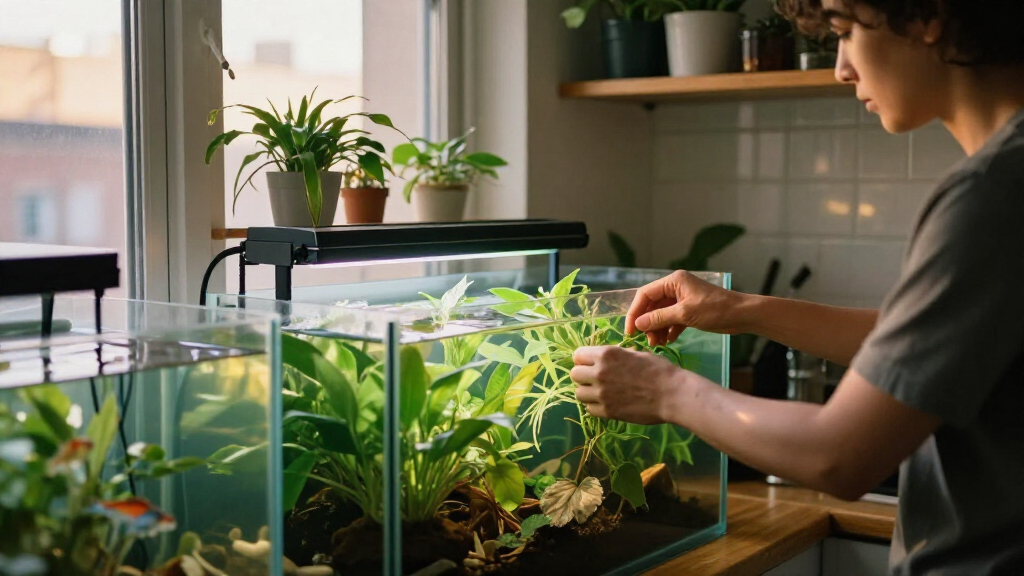
The aquaponics system was established by a city resident in a standard NYC apartment, utilizing a compact setup that integrates fish tanks with hydroponic plant beds. According to the resident, the system has been operational for several weeks, producing edible vegetables and supporting fish health.
Sources confirm that the setup includes a small fish tank, a biofilter, and hydroponic beds for leafy greens and herbs. The resident reports that the system requires minimal maintenance and has successfully sustained itself without external inputs beyond initial setup and periodic feeding.
Local environmental groups and urban agriculture advocates have expressed interest in the project, citing its potential as a model for sustainable living in cities. Experts note that while small-scale aquaponics is not new, its implementation within a typical apartment is notable for demonstrating feasibility and inspiring others to consider similar efforts.
Potential Impact of Urban Aquaponics in NYC
This development matters because it illustrates how residents can adopt sustainable food production methods within limited urban spaces. If widely adopted, such systems could reduce reliance on store-bought produce, lower carbon footprints, and promote local food security. Additionally, it highlights innovative ways to utilize small living spaces for productive purposes, aligning with broader trends toward urban self-sufficiency and environmental responsibility.
As an affiliate, we earn on qualifying purchases.
Growing Interest in Indoor Urban Farming Solutions
Urban farming initiatives have gained momentum in recent years, with city residents exploring methods like hydroponics, vertical gardens, and aquaponics. Previous projects have often been community-based or commercial; however, individual home setups remain relatively rare due to space and knowledge barriers. This NYC apartment aquaponics system is among the first publicly documented instances of a fully operational, self-sustaining system within a standard residential unit.
While aquaponics has been promoted by environmental groups and researchers as a sustainable food source, its practical application at home has been limited. This recent example suggests that with proper design and maintenance, urban dwellers can successfully integrate aquaponics into their daily lives.
“Setting up this aquaponics system has been easier than I expected. It’s rewarding to grow my own vegetables and have fresh fish right in my apartment.”
— Jane Doe, NYC resident
Unconfirmed Details About System Scale and Long-term Viability
It is not yet clear how scalable this setup is for other residents or whether it can be maintained over the long term without issues such as system failure or space constraints. Details about the specific fish species used, energy consumption, and cost are still emerging. Additionally, the resident has not publicly disclosed whether this is a prototype or part of a broader initiative.
Next Steps for Urban Aquaponics Adoption in NYC
Further documentation and potential expansion of this project could influence more residents to adopt aquaponics systems. Local environmental groups are considering workshops and resources to help others replicate the setup. Researchers may also study this case to assess its sustainability and scalability, potentially leading to broader adoption of home-based aquaponics in dense urban environments.
Key Questions
Can anyone set up an aquaponics system in their NYC apartment?
While technically possible, success depends on space, knowledge, and proper system design. Residents should research safety and local regulations before installation.
What are the main benefits of apartment aquaponics?
Benefits include fresh vegetables and fish, reduced reliance on store-bought produce, and a smaller environmental footprint. It also offers educational and recreational value.
Are there any safety concerns with indoor aquaponics?
Yes. Proper maintenance is essential to prevent water contamination, mold, or pests. It is recommended to follow safety guidelines and consult experts if unsure.
How much does setting up an aquaponics system typically cost?
Costs vary based on size and complexity, but initial investments can range from a few hundred to over a thousand dollars. Ongoing expenses are primarily for fish feed and system maintenance.
Source: hn