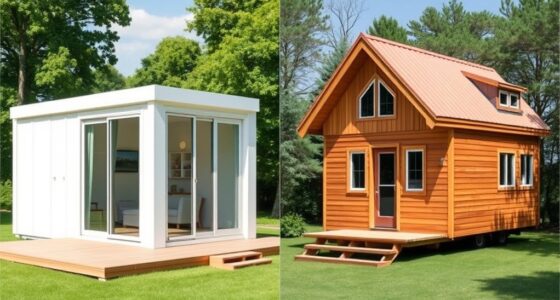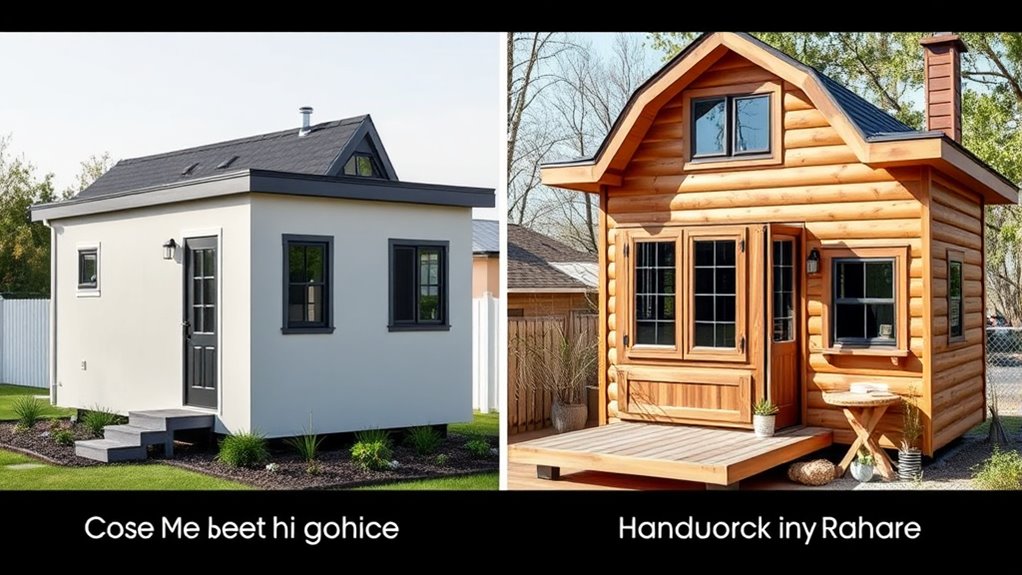
Prefab tiny houses usually cost less because they’re built in factories with modular parts, making the process quicker and more predictable. Custom tiny houses are more expensive since they’re built from scratch or with detailed design work, requiring skilled craftsmanship and flexible materials. If you value affordability and faster completion, prefab might suit you better. However, if personalized features matter most, investing in a custom home could be worth it. Discover how to balance these options for your ideal tiny house.
Key Takeaways
- Prefab tiny houses generally have lower and more predictable costs due to mass production and streamlined assembly.
- Custom tiny homes tend to be more expensive because of tailored craftsmanship and personalized features.
- Prefab construction benefits from economies of scale, reducing material and labor costs.
- Custom builds involve higher skilled labor and unique finishes, increasing overall expenses.
- The choice of materials and level of customization significantly impact the final cost of both prefab and custom tiny houses.
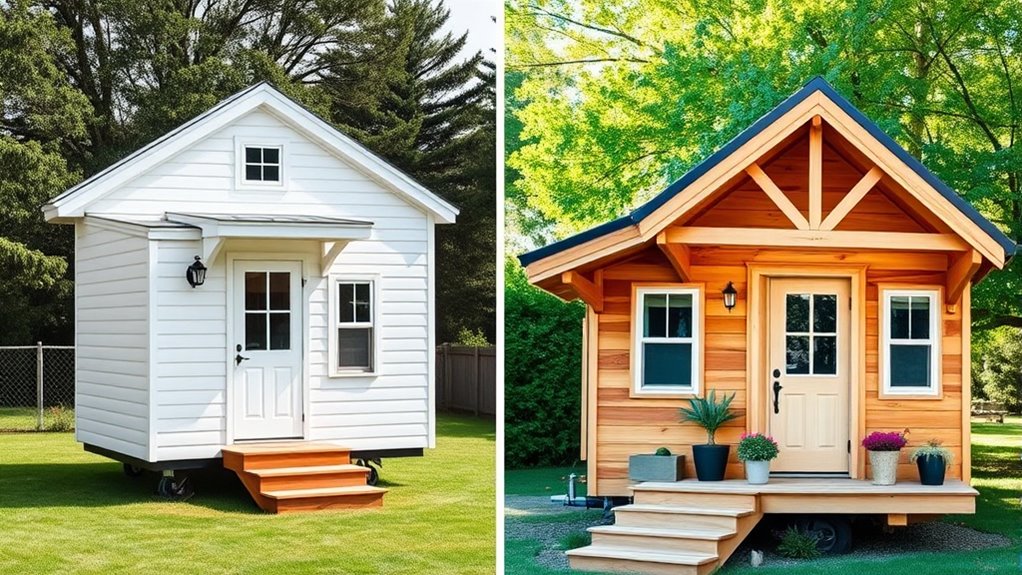
When deciding between a prefab and a custom tiny house, understanding the cost differences is essential. One of the key factors influencing these costs is the approach to construction. Prefab tiny houses are built using modular construction, which involves assembling pre-made sections in a factory setting. This method streamlines the process, reduces labor costs, and often leads to a more predictable price point. Because components are manufactured in a controlled environment, you can expect fewer surprises during construction and quicker turnaround times. On the other hand, a custom tiny house requires building from scratch or modifying existing plans to suit your specific needs. This process typically involves more hands-on craftsmanship, meaning skilled tradespeople spend more time tailoring every detail. As a result, custom builds tend to carry higher labor costs, which are reflected in the overall price.
Prefabs use modular construction for efficiency, lower costs, and quicker builds; custom homes involve detailed craftsmanship, increasing expenses.
Modular construction in prefab homes also allows for economies of scale. When multiple units are produced in the factory, material costs decrease, and assembly becomes more efficient. These savings are often passed down to you, making prefab options more budget-friendly upfront. In contrast, craftsmanship quality in custom tiny houses can vary considerably depending on the builder’s skill and experience. High craftsmanship quality often means meticulous attention to detail, premium materials, and personalized touches, which all add to the cost. While this investment results in a highly tailored, unique home, it also means you’re paying a premium for the craftsmanship that sets your house apart.
Another aspect to consider is the overall scope of customization. Prefab tiny houses typically come with a set of standard options or limited customization choices, helping to keep costs relatively low. If you want a home with specific features or a unique design, a custom tiny house allows you to work closely with builders to realize your vision. Naturally, this level of customization increases costs, especially if you’re incorporating high-end finishes or complex layouts. But the trade-off is a home that exactly matches your preferences. Additionally, the color accuracy of materials used can influence the visual appeal and perceived quality of your finished home.
Ultimately, your budget and priorities will determine which route makes more sense. Prefab tiny houses leverage modular construction to deliver cost-effective, efficient solutions with consistent craftsmanship quality. Custom tiny houses, while more expensive, offer unparalleled flexibility and craftsmanship that can turn your vision into reality. By understanding these core differences, you can make a more informed decision that aligns with your financial situation and your dream home’s desired features.
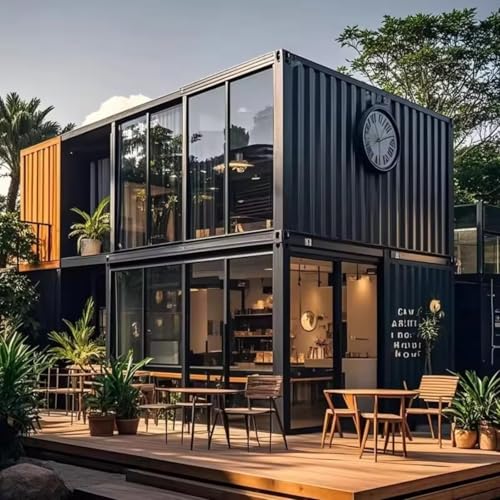
Mobile Shipping Container Shop Customized Coffee Prefab Modular Restaurant Building 2 Story Prefrafricadas Casas for Street Vending & Pop-Up Events
Customization Supported: This product can be customized according to your needs, the price listed is for reference only,…
As an affiliate, we earn on qualifying purchases.
As an affiliate, we earn on qualifying purchases.
Frequently Asked Questions
How Do Local Building Codes Affect Tiny House Costs?
Local building codes substantially impact your tiny house costs by enforcing zoning restrictions and permit requirements. You might need to adjust your plans to meet specific regulations, which can add to expenses. Securing permits often involves fees and inspections, increasing your overall budget. Understanding these codes early helps you avoid costly fines or modifications later, ensuring your tiny house complies without unexpected expenses.
Are There Hidden Fees in Prefab or Custom Tiny House Prices?
Imagine opening a tiny house price tag and finding hidden fees lurking like shadows. You might not see customization costs or extra charges for delivery, permits, or site prep upfront. Prefab options often have fewer hidden fees, but custom tiny houses can surprise you with unexpected costs for unique features or finishes. Always ask for a detailed quote to avoid surprises, so your dream tiny home stays within your budget.
Which Options Increase Costs More: Size or Features?
Feature expansion generally increases costs more than size in a cost comparison. When you add more features, like high-end appliances, custom finishes, or advanced systems, the price can spike markedly. While increasing size adds to material and labor costs, expanding features often involves specialized work and upgrades that drive up expenses even more. Focus on prioritizing your must-have features to manage your budget effectively and avoid unexpected cost hikes.
How Long Does Each Type of Tiny House Typically Last?
Imagine your tiny house as a sturdy tree, standing tall through seasons. Prefab tiny houses often have a shorter lifespan, around 15-20 years, due to potential durability differences and varying materials. Custom tiny houses can last 30+ years with proper maintenance, as they’re built with tailored craftsmanship. You’ll find prefab options generally require less upkeep initially, but long-term durability depends on materials and construction quality, influencing how long your tiny home remains a safe haven.
Can Financing Options Vary Between Prefab and Custom Models?
You’ll find that financing options can differ between prefab and custom tiny houses due to financing flexibility and loan availability. Prefab models often have more accessible loans since they’re built in factories with standardized processes, making approval easier. Custom tiny houses might face stricter financing criteria because lenders see them as higher risk. So, if flexibility and broader loan options matter, prefab houses could be a better choice for your financing needs.

Modern 2 Bedroom & 2 bath room tiny House plan with 860 square feet: Full Complete Drawing Set
As an affiliate, we earn on qualifying purchases.
As an affiliate, we earn on qualifying purchases.
Conclusion
Ultimately, choosing between prefab and custom tiny houses depends on your budget and priorities. Did you know that prefab options can cost up to 30% less than custom builds? This means you could save thousands while still getting a cozy space. If you want quick, affordable living, prefab might be your best bet. But if personalization matters most, investing in a custom tiny house could be worth it. Either way, your dream tiny home is within reach!

Mini House Building Kit for Kids Age 8+ – Block Building Toys with Real Mini Bricks, STEM Creative Gifts for Boys Girls- DIY Tiny House Construction Set
Look, I built a REAL house! – Not just plastic blocks! Let kids experience an architect's pride with…
As an affiliate, we earn on qualifying purchases.
As an affiliate, we earn on qualifying purchases.

PANZIYU DIY Miniature House Kit, Dollhouse for Adults to Build, Birthday/Christmas Day Gift for Family and Friends, Magic Castle, Haunted Dollhouse, Prefab Tiny Home with LED Lights(Huoluo Castle)
Immersive Magical Building Experience: Construct an enchanting fairy castle with pre-cut wooden pieces & pre-colored furniture into this…
As an affiliate, we earn on qualifying purchases.
As an affiliate, we earn on qualifying purchases.