When it comes to recessed lighting, many homeowners overlook its potential for energy loss. Poor installation, gaps in insulation, or outdated bulbs can quietly increase heating and cooling costs without your awareness. These hidden issues might be costing you more than you realize, especially if you’re seeking ways to improve efficiency and cut utility bills. Understanding how recessed lighting impacts your energy use could be the key to smarter, more cost-effective choices.

Get compact home essentials delivered free with Prime
- Fast, free delivery on millions of items
- Prime Video, Amazon Music and more included
- Member-only deals all year
Key Takeaways
- Poor insulation around recessed fixtures creates thermal bridges, increasing heat transfer and energy loss in the home.
- Gaps or improper sealing in insulation allow heated or cooled air to escape, reducing overall energy efficiency.
- Using high wattage bulbs or incandescent lights in recessed fixtures elevates energy consumption unnecessarily.
- Insufficient insulation and unsealed fixtures can cause thermal leaks, forcing HVAC systems to work harder.
- Proper insulation, airtight installation, and LED bulb use minimize energy loss and improve energy conservation around recessed lighting.

Have you ever wondered if your recessed lighting is wasting energy? It’s a common concern, especially when you consider how much electricity your home consumes. Often, people overlook the impact that proper insulation and bulb choices have on energy efficiency. Recessed lights, while sleek and modern, can unintentionally become significant sources of energy loss if not installed or maintained correctly. One of the key factors influencing this is insulation efficiency around the fixtures. If insulation isn’t properly sealed or if there are gaps, heat can escape during the winter, or unwanted heat can enter during the summer, forcing your HVAC system to work harder. This not only wastes energy but also increases your utility bills. The insulation surrounding recessed lighting needs to be carefully evaluated; insulation should be airtight and properly rated to prevent thermal leaks. When insulation isn’t sufficient, it creates a thermal bridge, which allows heat to transfer in and out more readily, undermining your home’s energy conservation efforts. Additionally, implementing vertical storage solutions around your fixtures can help optimize space and improve insulation coverage, further reducing energy loss.
Another essential element that impacts energy loss is bulb wattage. Many homeowners select bulbs based on brightness alone, but higher wattage bulbs consume more energy, which can lead to unnecessary power use. If you’re using traditional incandescent bulbs in your recessed fixtures, you might notice higher energy bills because these bulbs are less efficient. Switching to LED bulbs can substantially cut down wattage without sacrificing brightness. For example, a 10-watt LED can produce the same amount of light as a 60-watt incandescent bulb, reducing energy consumption dramatically. It’s important to choose bulbs that match the recommended wattage for your fixtures, as exceeding this can cause overheating and potentially damage the fixture or increase energy waste. Also, using bulbs with the right lumen output ensures you’re not compensating with higher wattage, which only adds to energy loss.
In addition, the design and installation of your recessed lighting influence overall energy efficiency. Properly sealed trims and airtight fixtures prevent air leaks, which are often overlooked but can cause considerable energy drainage. If your fixtures aren’t properly insulated or if bulbs are over-wattaged, you’re unknowingly contributing to energy waste. Regularly reviewing your lighting setup, opting for energy-efficient bulbs, and ensuring insulation around your fixtures are up to standard can make a substantial difference. By paying attention to these factors, you’ll reduce your energy bills, improve your home’s insulation efficiency, and enjoy better control over your energy consumption.
Products Worth Considering
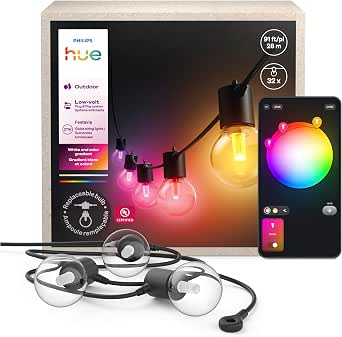
Philips Hue Festavia Globe Outdoor String Lights, 32 Bulbs, 91 ft

Samsung 85 M80H Series Mini LED 4K Smart TV (2026)

Samsung 85-Inch M70H Series Mini LED 4K Smart TV (2026)
As an affiliate, we earn on qualifying purchases.
Conclusion
If you ignore the proper installation and insulation of your recessed lighting, you’re fundamentally opening a giant, invisible hole in your home’s energy defenses. That tiny gap can turn your HVAC into a relentless energy-hungry beast, draining your wallet faster than you’d believe. Switch to LED bulbs, seal those fixtures tight, and insulate properly—otherwise, your wasted energy could be fueling a never-ending war on your utility bills, all because of overlooked recessed lighting.