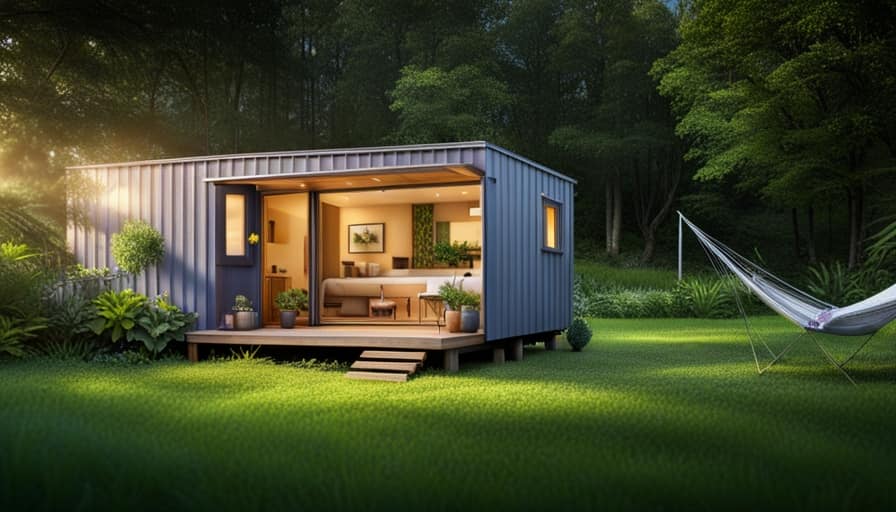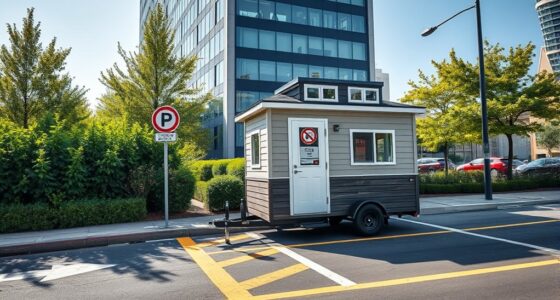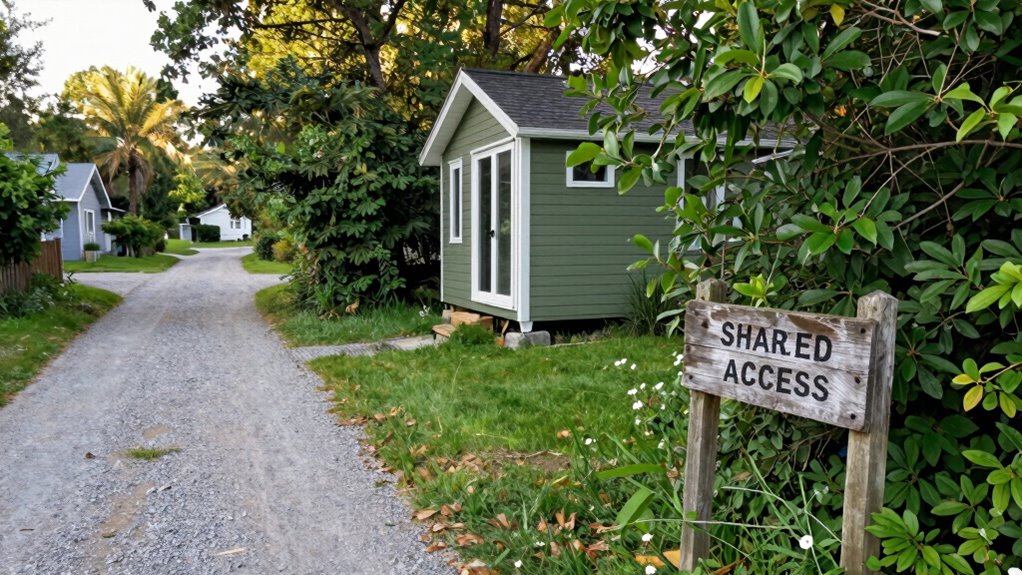

Your tiny house land decision hinges on road access and easements. Good access guarantees you can easily reach your property, transport your tiny home, and handle emergencies. Easements grant others rights to utility lines or access points, which can impact your land use and development plans. Understanding these factors helps you avoid legal issues and plan effectively. Keep exploring to learn how to navigate these important aspects and secure the best spot for your tiny lifestyle.

Get compact home essentials delivered free with Prime
- Fast, free delivery on millions of items
- Prime Video, Amazon Music and more included
- Member-only deals all year
Key Takeaways
- Adequate road access ensures safe delivery, daily living, and emergency response for tiny homes.
- Easements can limit land development options and influence the placement of tiny houses.
- Existing easements may require ongoing maintenance and affect property rights.
- Utility installation often depends on easements along access routes, impacting planning costs.
- Understanding land use restrictions from easements and road access helps prevent legal conflicts.
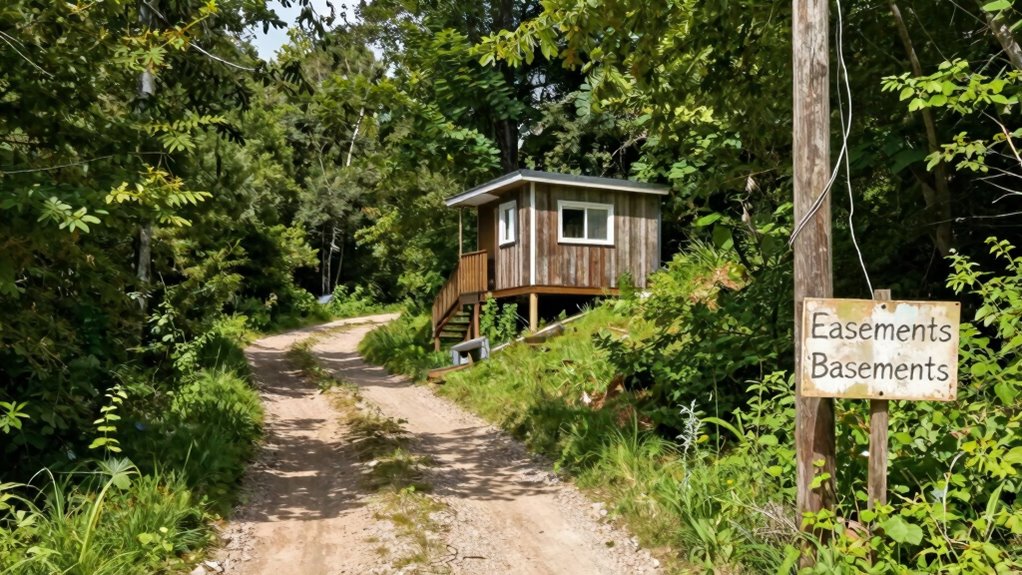
When you’re considering tiny house land, guaranteeing proper road access and understanding easements are vital steps. Without reliable access, your tiny home might become isolated or difficult to reach, which can complicate daily living and emergency situations. You need to verify that the property has legal, practical road access that connects to public roads or maintained private roads. If access is limited or involves unpaved paths, you might face additional costs or restrictions, especially during bad weather. It’s also essential to check whether the access route is wide enough for vehicles that will transport your tiny house or for service vehicles.
Ensuring legal road access and understanding easements are essential for safe, reliable tiny house living and future flexibility.
Easements play a significant role here. An easement is a legal right for someone else to use part of your property, often for access, utilities, or drainage. Understanding existing easements on the land helps you avoid future disputes and unexpected restrictions. For example, if a neighbor holds an access easement across your property, you need to know how it affects your planning and whether it limits your use of certain areas. Some easements may require you to maintain roads or pathways, which could add to your responsibilities or costs. Conversely, if you plan to create your own easements, you’ll need to work with neighbors and local authorities to make sure everything is properly documented and legal. Additionally, understanding how easements impact property rights can help you make informed decisions about your land use. Recognizing the importance of property rights ensures you know what limitations or freedoms you have regarding your land and its features. Being aware of the legal boundaries associated with easements can help prevent potential conflicts or legal issues down the line.
Utilities planning is another critical factor that intertwines with road access and easements. You must determine how you’ll connect your tiny home to essential services like water, electricity, sewage, and internet. Sometimes, utility lines run along access roads, and easements may be necessary to install or maintain these connections. If the land lacks existing utilities, you’ll have to budget for installation, which can be expensive and may require permits. It’s also helpful to research local regulations and zoning restrictions early in your planning process, as they can significantly influence your options. zoning restrictions further influence your utilities planning by dictating what kinds of systems are allowed, where you can install them, and how close they can be to property lines or neighboring properties. Some areas might have strict regulations on septic systems or alternative water sources, impacting your options for self-sufficient living. Additionally, understanding land use regulations helps ensure your utilities and access plans align with local policies and avoid future legal complications.
Ultimately, your decision on tiny house land hinges on thoroughly understanding how road access, easements, utilities planning, and zoning restrictions intersect. These factors determine not only the feasibility of living there but also your ability to build, expand, and enjoy your tiny home without legal or logistical hurdles. Taking the time to research these elements carefully helps guarantee your tiny house dream becomes a smooth and sustainable reality.
As an affiliate, we earn on qualifying purchases.
Frequently Asked Questions
Can Tiny Houses Be Legally Parked on Private Land Without Road Access?
You generally can’t legally park your tiny house on private land without road access, as parking restrictions often require proper road maintenance and accessible routes. Without road access, authorities might see your setup as non-compliant, risking fines or removal. To avoid issues, verify your land has legal access and check local regulations, especially regarding road maintenance and easements, before parking your tiny house.
How Do Easements Impact Property Value for Tiny House Owners?
Easements, like gentle whispers on your property, can subtly influence its charm. They come in various types—utility, access, or conservation—that may affect how potential buyers see your land’s value. While easements can sometimes slightly lower property valuation, they often safeguard access and utilities, which can be a plus. Ultimately, understanding easement types helps you gauge their impact and make informed decisions about your tiny house haven.
Are There Specific Zoning Laws for Tiny House Road Access?
Yes, there are specific zoning laws for tiny house road access. You need to check local zoning restrictions and access regulations to guarantee your tiny house has proper road access. These laws often specify minimum road width, easements, and whether private roads are allowed. Meeting these requirements is essential for legal placement and safe access, so always consult local authorities and verify your plans align with all zoning laws before purchasing land.
What Are the Costs Associated With Establishing Road Access?
Establishing road access costs vary based on driveway construction and permit requirements. You’ll need to budget for materials, labor, and possibly grading or paving, which can range from a few hundred to several thousand dollars. Additionally, permit requirements might involve fees and inspections, adding to your expenses. Planning ahead guarantees you cover all aspects, from excavation to compliance, so your tiny house has reliable, legal road access without surprises.
Can Easements Be Transferred When Selling Tiny House Property?
Yes, easement transfer can occur when you sell tiny house property. You transfer property rights, including any existing easements, to the new owner. It’s crucial to review the easement agreement and confirm it’s properly documented during the sale. This way, the easement remains valid, and road access or other rights are maintained for future use, protecting both your and the new owner’s interests.
Conclusion
Think of your tiny house journey like building a bridge; without proper road access and clear easements, your dream home remains stranded. I once knew someone who overlooked these details and faced a lengthy, costly detour. Ensuring you have reliable access isn’t just about convenience—it’s about securing your future and peace of mind. When you prioritize these factors, you’re laying a solid foundation, turning your tiny house dreams into a smooth, navigable reality.
Halloween Picks
halloween
As an affiliate, we earn on qualifying purchases.