When choosing a solar monitoring app, it’s easy to get overwhelmed by the number of metrics available. But not all are equally important for maintaining system performance and longevity. Knowing which key indicators to focus on can help you catch issues early and ensure your investment pays off. Curious about which metrics truly make a difference and how they can impact your solar setup? Keep this in mind as you explore your options.
Key Takeaways
- Battery health metrics like cycle count, capacity, and voltage help prevent overcharging and extend lifespan.
- Monitoring state of charge and energy input/output ensures optimal system performance and efficient energy use.
- Shading analysis identifies problematic shadows impacting panel efficiency, enabling proactive system adjustments.
- Real-time data on system performance supports early detection of issues and informed maintenance decisions.
- Tracking environmental factors and shading patterns maximizes energy generation and overall system longevity.
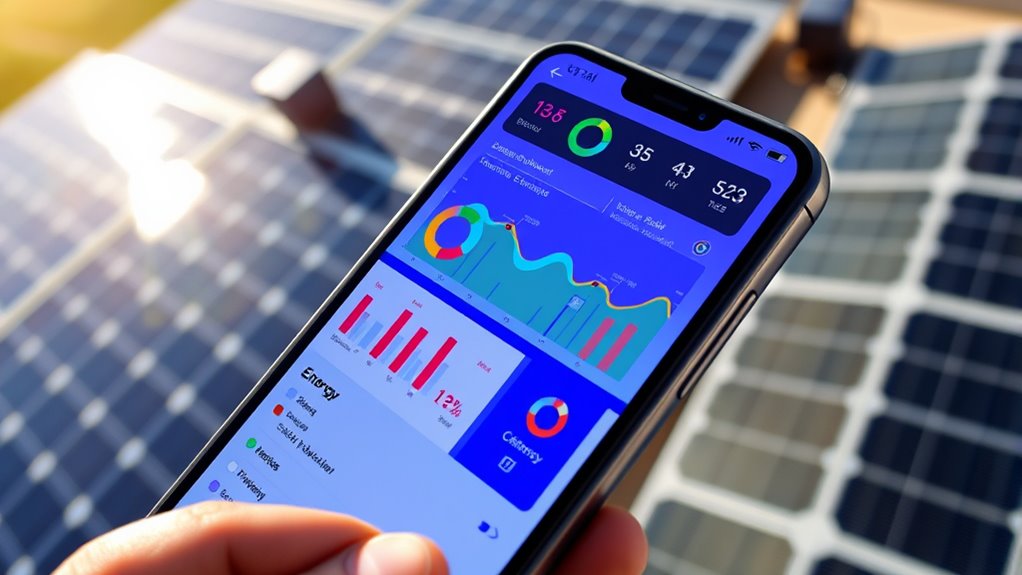
Solar monitoring apps have become essential tools for homeowners and solar energy enthusiasts to track and optimize their systems. These apps give you real-time data that help guarantee your solar panels are performing at their best. While many users focus on energy production and savings, some metrics are more crucial than others. Two of the most important are battery performance and shading analysis, as they directly influence your system’s efficiency and longevity.
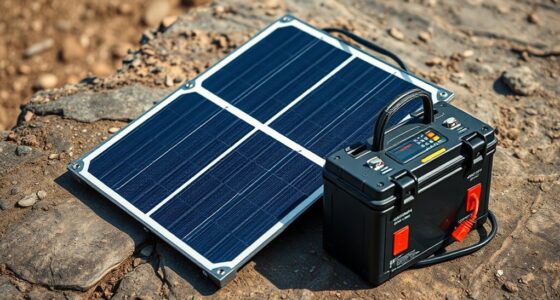
Battery performance is a key metric because it determines how effectively your stored solar energy is being utilized. If you have a battery bank, monitoring its health, charge levels, and cycle count helps you avoid issues like overcharging or deep discharges that can shorten its lifespan. A good solar app will show you the state of charge, energy input, and output in real time, allowing you to make informed decisions about when to draw power or charge the batteries. This guarantees you’re maximizing your stored energy, especially during cloudy days or at night, and prevents unnecessary wear on the batteries. Regularly checking battery performance through your app can help you spot early signs of degradation, so you can take preventive actions or plan for replacements. Additionally, understanding the security and privacy implications of your monitoring data helps protect your system from potential threats.
Monitoring battery health ensures optimal energy use and prevents degradation.
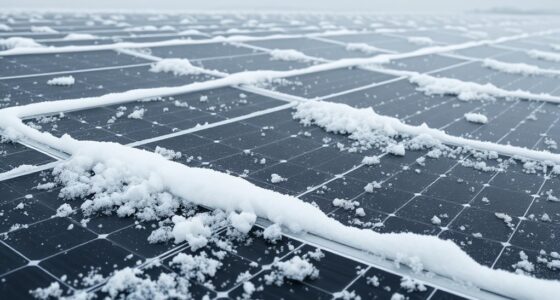
Shading analysis is another crucial metric that often gets overlooked but can substantially impact your system’s overall output. Even a small shadow cast by a tree, chimney, or nearby building can reduce your solar panels’ efficiency. Monitoring shading through your app allows you to identify potential problem areas and plan for adjustments. Some apps incorporate shading analysis tools that simulate sunlight exposure throughout the day and across seasons, highlighting parts of your array that may be underperforming due to shading. By understanding these patterns, you can optimize panel placement or trimming trees and branches to minimize shading effects. This proactive approach ensures your system maintains peak performance and helps you avoid hidden losses that could impact your energy savings.
Focusing on these metrics—battery performance and shading analysis—puts you in control of your solar system. They allow you to troubleshoot issues early, optimize energy usage, and extend the life of your components. While total energy production matters, understanding how your batteries are holding up and how shading impacts your panels provides a clearer picture of your system’s health and efficiency. By regularly monitoring these aspects through your solar app, you guarantee your investment continues to deliver maximum benefits for years to come.
Conclusion
When choosing a solar monitoring app, focus on the metrics that truly matter—like battery health, shading, and system performance. While it’s tempting to chase every detail, remember that not all numbers impact your system equally. Think of it like tending a garden: watering the right plants matters more than obsessing over every leaf. Prioritize what keeps your system thriving, and you’ll enjoy maximum energy and peace of mind.

Hi, I’m Emma. I’m the Editor in Chief of Tiny House 43, a blog all about tiny houses. While tree houses are often associated with childhood, they can be the perfect adult retreat. They offer a cozy space to relax and unwind, surrounded by nature. And since they’re typically built on stilts or raised platforms, they offer stunning views that traditional homes simply can’t match. If you’re looking for a unique and romantic getaway, a tree house tiny house might just be the perfect option.