
Living solo in a tiny home gives you the freedom to live simply and intentionally, making it easier to manage your space and minimize clutter. You’ll enjoy a sense of independence and connection to your community, often sharing resources and building relationships. However, it also requires discipline to stay organized and mindful of your belongings, and feelings of solitude might arise. Want to explore how to maximize your tiny home experience and overcome challenges? Stay tuned for more insights.
Key Takeaways
- Living solo in a tiny home promotes greater independence and personal responsibility for space management and organization.
- Limited space encourages intentional living, reducing clutter and fostering mindfulness about possessions and lifestyle choices.
- The small footprint simplifies cleaning and maintenance, saving time and effort.
- Tiny home living fosters community engagement through shared resources and neighborhood connections.
- Challenges include potential feelings of isolation and the need for disciplined space optimization to ensure comfort.

Have you ever wondered what it’s like to live simply and intentionally? When you choose to live solo in a tiny home, you’re embracing a lifestyle that’s all about making the most of limited space while prioritizing your values. One of the biggest advantages is space optimization. In a small home, every square inch counts, so you learn to be creative with storage and multi-purpose furniture. You might have a bed that folds into the wall or a table that doubles as a workspace and dining area. This constant need to maximize space keeps you organized and intentional about what you keep around. Plus, with less clutter, your environment feels calmer, cleaner, and more manageable. You’re not overwhelmed by possessions, and you develop a stronger sense of what truly matters.
Living in a tiny home also encourages community engagement in ways you might not expect. Because your space is limited, you often seek connection outside your walls—whether through neighborhood events, local co-ops, or nearby shared spaces. Tiny home communities are becoming more popular, and they foster a sense of camaraderie among residents. You can share resources like tools, appliances, or even outdoor areas, reducing your individual footprint and building bonds with neighbors. This kind of community engagement enriches your social life and provides support that a larger, more isolated home might not offer. It also opens opportunities for collaborative projects, like community gardens or shared workshops, which deepen your connection to the area and its people.
Living in a tiny home fosters community through shared resources, neighborhood events, and collaborative projects that strengthen local bonds.
Living solo in a tiny home means you have the freedom to craft your environment exactly how you want it. You’re responsible for every aspect of your space, which encourages mindfulness and intentionality in your choices. While this can be empowering, it also means you need to be disciplined about maintaining your home and managing your belongings. The small footprint makes it easier to keep clean and organized, but you’ll also need to be strategic about your layout and storage solutions. The downside is that if you’re not comfortable with solitude, living alone in a small space might feel isolating at times. However, the sense of intentional living can foster a deeper appreciation for your environment and the simple pleasures it provides. Many find that the tight-knit community and nearby social opportunities balance this out, helping you stay connected.
Ultimately, living solo in a tiny home offers a unique blend of challenges and rewards. You learn to live with less, prioritize what’s important, and engage more deeply with your community. It’s a lifestyle that demands intentionality but rewards you with a sense of freedom and purpose you might not find in a larger, more conventional home. Recognizing the importance of space optimization can help you create a truly functional and comforting living environment.
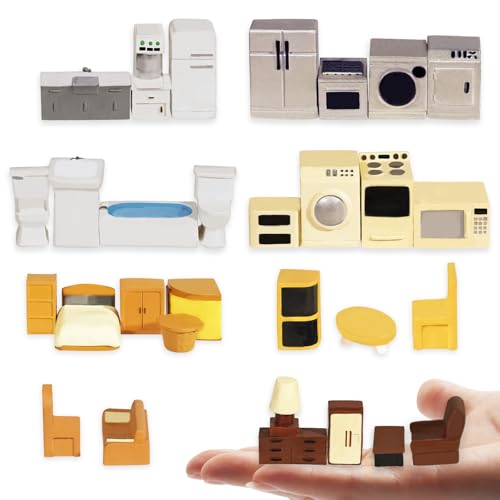
Hiawbon 31PCS Miniature Furniture Set, 1:48 Scale Resin Miniature Accessories and Furniture, Kitchen Bathroom and Living Room Set, Miniature Furniture Kit for Fairy Garden Home Decor
MINIATURE FURNITURE SET: Resin miniature furniture set consists of 31pcs, which includes a living room, bedroom, bathroom and…
As an affiliate, we earn on qualifying purchases.
As an affiliate, we earn on qualifying purchases.
Frequently Asked Questions
How Do I Host Guests Comfortably in a Tiny Home?
To host guests comfortably in a tiny home, focus on smart guest accommodations and efficient entertaining. Use multifunctional furniture like fold-out sofas or foldable beds to maximize space. Clear designated areas for relaxing and dining, and keep extra linens handy. Plan your layout to create an open, welcoming atmosphere, and organize essentials for easy access. With thoughtful space management, you can enjoy entertaining guests while maintaining comfort and privacy.
What Are the Best Ways to Maximize Storage Space?
Maximize your storage space by embracing multi-use furniture that doubles as storage, like beds with drawers or ottomans that hide belongings, and vertical storage solutions such as wall-mounted shelves and hooks. Use every inch wisely—stackable bins, hanging organizers, and over-door racks help keep essentials off the floor. By focusing on verticality and dual-purpose pieces, you create a functional, clutter-free environment where everything has its place.
How Do I Handle Privacy Concerns Living Alone?
To handle privacy concerns living alone, set clear privacy boundaries by using curtains or screens to create private areas. Invest in good locks and security systems to boost your personal security, and keep sensitive areas private. Communicate your privacy needs with visitors or neighbors, and consider placing outdoor lighting to deter unwanted visitors. These steps help you feel safe and maintain control over your personal space in your tiny home.
What Are the Legal Requirements for Tiny Home Living?
You need to check local zoning restrictions and building codes before living in a tiny home. Zoning laws determine where you can place your tiny home, whether on a foundation or as a tiny home on wheels. Building codes ensure your tiny home meets safety standards. Contact your city or county planning office to understand permits, inspections, and any restrictions to legally live in your tiny home.
How Do I Stay Connected With Neighbors and Community?
Think of your community as a garden needing gentle tending. You stay connected by joining local events, planting seeds of friendship. Attend neighborhood safety meetings, like watering roots to strengthen bonds. Chat with neighbors regularly, sharing stories like sunlight nourishing trust. Volunteering for community projects helps you grow roots deeper. In this way, your tiny home life blooms into a vibrant, supportive neighborhood, making you feel truly at home.
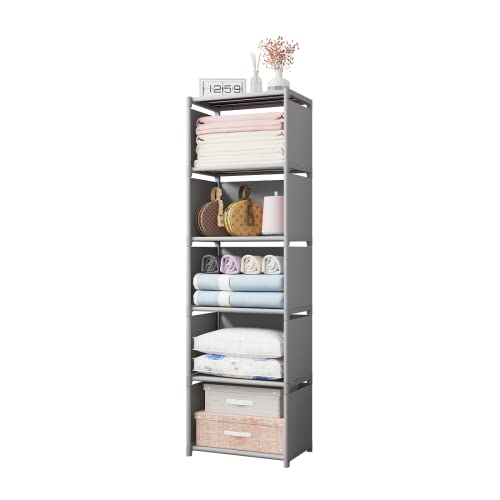
RIIPOO Storage Organizer Shelves for Bedroom Closet 5-Cube, Space-Saving 6-Layer Bookshelf | Compact Bookcase Unit Ideal for Small Spaces
This storage cube shelf is constructed of steel frame and waterproof non-woven fabric, durable and practical, which can…
As an affiliate, we earn on qualifying purchases.
As an affiliate, we earn on qualifying purchases.
Conclusion
Living solo in a tiny home offers freedom and fulfillment, but it also demands focus and flexibility. Embrace the simplicity, savor the solitude, and stay steadfast in your self-sufficiency. Remember, the journey is yours to shape—your space, your sanctuary. With mindful management, you’ll master the art of minimalism, making every moment meaningful. So, step boldly into this bold, beautiful, and sometimes challenging chapter, and turn tiny living into a truly transformative experience.

Semjar Wall Mounted Folding Table,Walnut Bedside Shelf Wall Mount Floating Wall Desk for Small Spaces,11.8" Round Wood Tabletop with Aluminum Alloy Brackets,Retractable Fold Down Nightstand
【Perfect for Gifting & Versatile Use】This wall mounted folding table adds instant extra space for your drinks, snacks,…
As an affiliate, we earn on qualifying purchases.
As an affiliate, we earn on qualifying purchases.

WORKPRO Tool Bag with Zipper, 10" Utility Wide Mouth Heavy Duty Tool Storage Bag, Multipurpose Zipper Tool Pouch Tote Bag for Organizer 3-pack
Heavy-Duty Material: These tool bags are made of heavy-duty 1680D oxford cloth, which has a more textured finish…
As an affiliate, we earn on qualifying purchases.
As an affiliate, we earn on qualifying purchases.