
TL;DR

Get compact home essentials delivered free with Prime
- Fast, free delivery on millions of items
- Prime Video, Amazon Music and more included
- Member-only deals all year
New developments suggest offline hobbies are about to see a significant increase in popularity. Experts believe these activities will become common in everyday life, reshaping how people spend leisure time.
Offline hobbies are set to become increasingly prevalent, with industry analysts and market trends pointing toward a surge in popularity. This shift could influence social interactions, leisure activities, and consumer behavior, making offline engagement a significant part of everyday life.
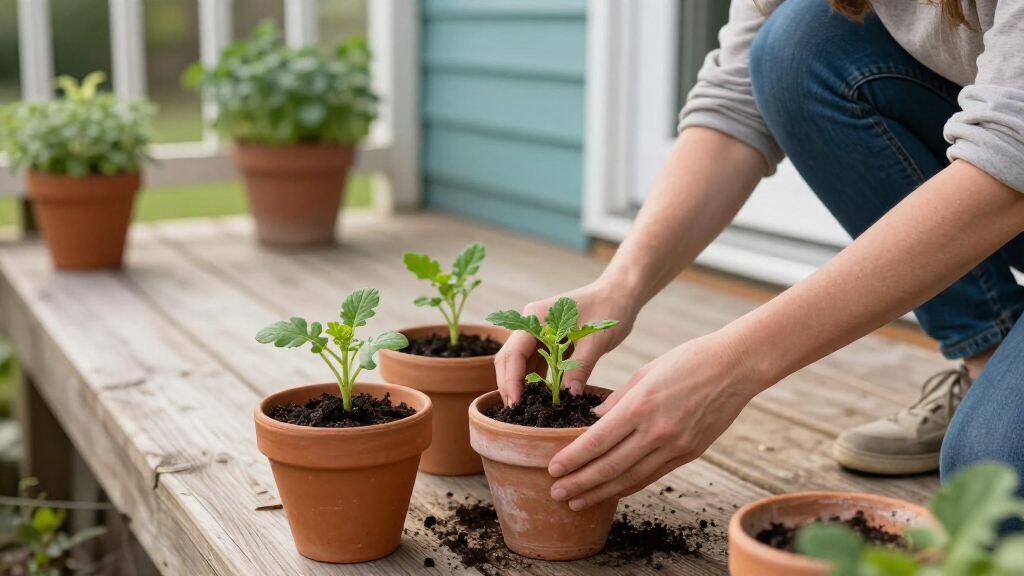
Multiple industry reports and emerging consumer behaviors suggest that offline hobbies—such as gardening, woodworking, board gaming, and outdoor sports—are gaining traction. These activities are experiencing renewed interest amid a broader cultural shift towards disconnecting from digital devices and seeking tangible, real-world experiences.
Experts attribute this rise to factors like pandemic-related social fatigue, a desire for mindfulness, and a renewed emphasis on local and community-based activities. Market data indicates that sales of hobby-related products have increased notably over the past year, and social media trends show a growing number of people sharing offline hobby experiences.
While specific activities like board games and DIY crafts are seeing a resurgence, industry insiders predict that the trend will expand into new areas, including outdoor adventure, traditional crafts, and community-based events. Retailers and hobby organizations are preparing for increased demand, with some launching targeted campaigns to promote offline engagement.
These Offline Hobbies Are About To Be Everywhere
Industry analysts and market trends point toward a surge in offline pastimes — gardening, woodworking, board gaming, and outdoor sports — as a broader cultural shift pushes people away from screens and toward tangible, real-world experiences.
Growing Interest in Tangible Activities
Consumer interest in screen-free activities has climbed steadily. Pandemic restrictions limited digital entertainment options and prompted many to seek outdoor and hands-on experiences — and the habit is sticking.
Outdoor Sports & Adventure
Renewed appetite for hiking, cycling, and outdoor gear, with analysts predicting expansion into adventure-based recreation.
DIY & Traditional Crafts
Craft material sales show a steady increase, driven by demand for tangible skills and hands-on making over passive consumption.
Community-Based Events
Communities are forming around shared real-world interests, with hobby organizations preparing for a wave of local engagement.
Mindfulness & Slow Living
A broader cultural movement emphasizing wellness, presence, and disconnecting from devices fuels screen-free leisure time.
Hobby Retail Momentum
Retailers are launching targeted campaigns and new product lines aimed at capitalizing on the offline engagement trend.
Social Amplification
Ironic but real: hashtags dedicated to offline hobbies are gaining popularity, accelerating discovery and community growth.
Three Forces Behind the Shift
Experts attribute the rise of offline hobbies to a convergence of social, psychological, and cultural factors.
Pandemic Social Fatigue
Restrictions limited digital entertainment and indoor options, pushing people toward outdoor and hands-on experiences.
Desire for Mindfulness
A cultural movement toward wellness and presence drives demand for slower, more intentional leisure activities.
Local & Community Focus
Renewed emphasis on community-based activities reshapes how and where people spend their free time.
What the Data Suggests
Market research shows steady increases across hobby-related categories, while social platforms mirror the same shift in conversation volume.
Illustrative direction of reported trend signals · developing story
Implications for Consumers & Business
Social dynamics: More face-to-face interaction and community building could reshape everyday social life.
Leisure spending: More money may flow toward tangible activities rather than digital entertainment.
Growth opportunity: Hobby and retail sectors may see new openings in product development, marketing, and partnerships.
Unclear How Widespread Adoption Will Be
While signals are strong, several open questions determine whether offline hobbies become everyday staples or remain occasional pastimes.
| Factor | Supports mainstream adoption | May slow adoption | Verdict |
|---|---|---|---|
| Market data | Notable sales increase in hobby products | Regional variation in data strength | ✓ Favorable |
| Social momentum | Growing communities & hashtags | Online buzz may not equal behavior | ✓ Favorable |
| Cultural fit | Strong mindfulness & locality trends | Economic conditions affect discretionary spend | ~ Promising |
| Digital competition | Complement rather than replace | Evolving digital entertainment options | ~ Uncertain |
| Full replacement of digital | — | Experts expect coexistence, not replacement | ✗ Unlikely |
The Five Big Questions
What analysts, retailers, and researchers are watching as the trend develops.
Which hobbies are gaining popularity?
Gardening, woodworking, board gaming, outdoor sports, and DIY crafts — with potential expansion into community events and traditional arts.
Why is this happening now?
Pandemic-related social fatigue, a desire for mindfulness, and a shift toward local, tangible experiences — supported by rising sales and social media trends.
Will offline hobbies replace digital entertainment?
Unlikely to fully replace it. They are expected to complement digital leisure, creating a more diverse landscape where offline activities gain prominence.
How might businesses respond?
New products, marketing campaigns, and community initiatives aimed at offline hobbyists — potentially opening new retail opportunities and partnerships.
Is this global or regional?
Initial signs are strongest where pandemic restrictions were strict, but broader international adoption is possible — with regional differences expected.
What happens next?
Analysts will track sales data, social media activity, and community engagement to gauge growth, while researchers study motivations and barriers.
From Signal to Mainstream
This shift toward offline hobbies could significantly impact social dynamics by encouraging more face-to-face interactions and community building. For consumers, it signals a potential change in leisure spending, with more money allocated to tangible activities rather than digital entertainment. Businesses in the hobby and retail sectors may see new growth opportunities as offline activities become mainstream, influencing product development and marketing strategies.
As an affiliate, we earn on qualifying purchases.
Growing Interest in Tangible, Offline Activities
Over the past few years, there has been a noticeable increase in consumer interest in activities that do not involve screens or digital devices. This trend has been partly driven by pandemic restrictions, which limited access to digital entertainment and indoor activities, prompting many to seek outdoor and hands-on experiences. Additionally, a broader cultural movement emphasizing mindfulness, wellness, and local community engagement has contributed to the rise of offline hobbies.
Market research from industry analysts shows a steady increase in sales of hobby supplies, outdoor gear, and craft materials. Social media platforms also reflect this shift, with hashtags related to offline hobbies gaining popularity and communities forming around shared interests in real-world activities.
Some experts believe that this trend could lead to a long-term change in how leisure time is spent, with offline hobbies becoming a staple in everyday life rather than occasional pastimes.
Unclear How Widespread the Adoption Will Be
While industry reports and social media trends suggest a rising interest, it is still uncertain how quickly and broadly offline hobbies will become mainstream. Factors such as regional differences, economic conditions, and cultural preferences could influence the pace and extent of adoption. Additionally, it remains to be seen whether this trend will sustain long-term or fade as digital entertainment options evolve.
Monitoring Consumer Behavior and Industry Responses
In the coming months, analysts expect to track sales data, social media activity, and community engagement levels to gauge the growth of offline hobbies. Retailers and hobby organizations are likely to launch new campaigns and product lines aimed at capitalizing on this trend. Researchers will also continue studying consumer motivations and barriers to offline activity participation, providing clearer insights into the trend’s trajectory.
Key Questions
What types of offline hobbies are gaining popularity?
Activities such as gardening, woodworking, board gaming, outdoor sports, and DIY crafts are experiencing increased interest, with potential expansion into community events and traditional arts.
Why are offline hobbies becoming more popular now?
Factors include pandemic-related social fatigue, a desire for mindfulness, and a cultural shift toward local and tangible experiences, supported by rising sales and social media trends.
Will offline hobbies replace digital entertainment?
It is unlikely they will fully replace digital entertainment but are expected to complement it, creating a more diverse leisure landscape where offline activities gain prominence.
How might businesses respond to this trend?
Businesses may develop new products, marketing campaigns, and community initiatives to cater to offline hobbyists, potentially leading to new retail opportunities and partnerships.
Is this trend happening globally or only in specific regions?
While initial signs are strongest in certain regions, especially where pandemic restrictions were strict, the trend has potential for broader international adoption, though regional differences are expected.
Source: rss
Columbus Day / Indigenous Peoples' Day Picks
long weekend sales
As an affiliate, we earn on qualifying purchases.