
TL;DR

Get compact home essentials delivered free with Prime
- Fast, free delivery on millions of items
- Prime Video, Amazon Music and more included
- Member-only deals all year
Homeowners can now achieve a custom-looking living room using simple, affordable techniques on blank boxes. This approach eliminates the need for professional carpentry, making stylish home upgrades more accessible.
Homeowners are now able to create a customized, stylish living room appearance using plain, blank boxes, without hiring a professional carpenter. This innovative approach leverages simple techniques and affordable materials, making high-end-looking furniture accessible to a wider audience.
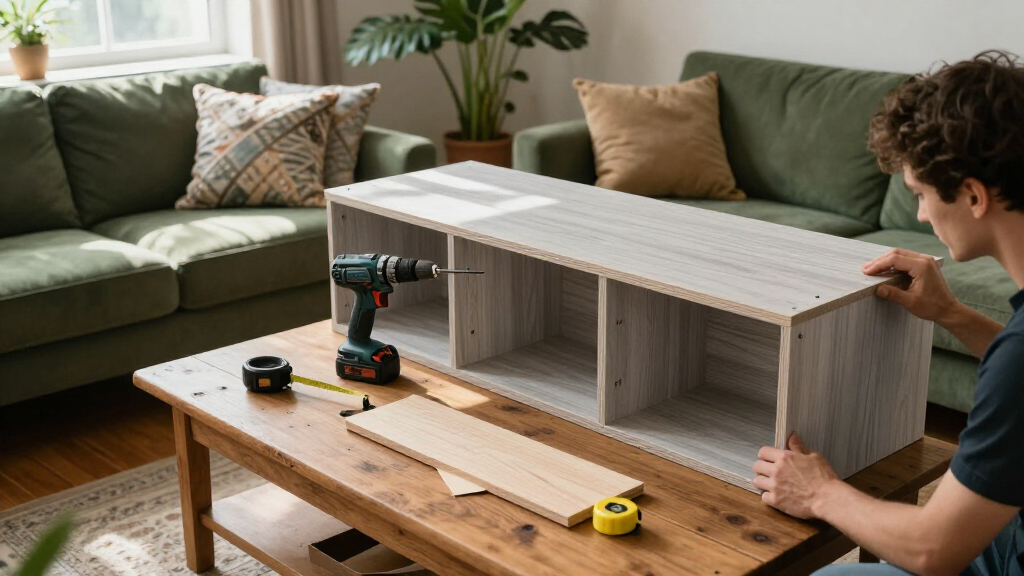
According to DIY enthusiasts and home improvement experts, the method involves using basic materials such as paint, veneers, and decorative panels to transform plain boxes into furniture that mimics custom, built-in pieces. The process typically requires minimal tools and can be completed in a few hours, making it an attractive option for budget-conscious homeowners.
Several online tutorials and social media videos demonstrate how to achieve this look, emphasizing that no specialized carpentry skills are necessary. The technique involves covering the boxes with decorative finishes, adding hardware, and arranging them in configurations that resemble custom cabinetry or entertainment centers.
Experts note that this approach not only saves money but also allows for personalized design choices, including color, texture, and layout. It is gaining popularity as a way to quickly refresh a living space without the time and expense of professional remodeling.
Potential Impact on Home Decor and DIY Market
This trend could significantly democratize home decorating, allowing more people to achieve professional-looking results with minimal investment. It challenges traditional notions that high-end furniture requires professional craftsmanship, potentially disrupting the furniture and home improvement industries. Additionally, it encourages creative reuse of materials and promotes DIY skills among homeowners.
As an affiliate, we earn on qualifying purchases.
Background of DIY Furniture Transformations
Over recent years, DIY home improvement projects have surged in popularity, driven by social media platforms like TikTok and YouTube. Homeowners increasingly seek affordable, customizable solutions for interior design, especially following economic shifts that limit spending on professional renovations. The recent trend of transforming plain boxes into stylish furniture is part of this broader movement, building on existing DIY furniture hacks and upcycling practices.
While traditional furniture-making involves skilled carpentry, this new approach relies on surface treatments and simple assembly techniques. It represents a shift toward more accessible, low-cost home upgrades that can be executed by non-professionals.
Limitations and Long-Term Durability of the Technique
It is not yet clear how durable or stable these DIY modifications are over time, especially under daily use. The long-term wear and tear, as well as potential issues with paint or veneer peeling, remain unconfirmed and may vary depending on materials and execution quality.Expected Growth and Adoption of DIY Customization Methods
As more homeowners share their results online, the technique is likely to see increased adoption. Manufacturers of DIY materials may also develop specialized products to facilitate this process. Future developments could include more durable finishes or modular systems designed specifically for DIY customization, making it easier for non-experts to achieve professional-looking results.
Key Questions
Can I use this method on any type of box or furniture?
This technique works best on sturdy, flat-surfaced boxes or furniture pieces. It may not be suitable for very lightweight or irregularly shaped items.
What materials are recommended for achieving a professional look?
Popular materials include high-quality paint, decorative veneers, contact paper, and hardware such as handles or knobs. Tutorials often suggest specific brands for best results.
How long does the transformation typically take?
Most DIY projects using this method can be completed within a few hours, depending on the complexity and number of pieces involved.
Is this approach suitable for high-traffic or heavy-use areas?
While suitable for many applications, the durability of the finishes and materials should be considered for high-traffic zones. Additional protective coatings may be necessary for longevity.
Source: rss
Halloween Picks
halloween
As an affiliate, we earn on qualifying purchases.