
TL;DR

Get compact home essentials delivered free — and shop member deals
- Fast, free delivery on millions of items
- Access to Prime Big Deal Days deals on October 6–7
- Prime Video, Amazon Music and more included
A compact 236-square-foot apartment in Paris showcases how clever design maximizes limited space. The development highlights growing interest in tiny living, though specific renovation details remain unconfirmed.
A 236-square-foot apartment in Paris has gained attention for its innovative and efficient use of space, demonstrating how even the smallest living areas can be functional and stylish. The development reflects a broader interest in tiny living solutions, especially in high-cost urban environments, though specific renovation details and owner intentions remain unconfirmed. This trend is attracting increasing coverage as city dwellers seek practical solutions to limited space.
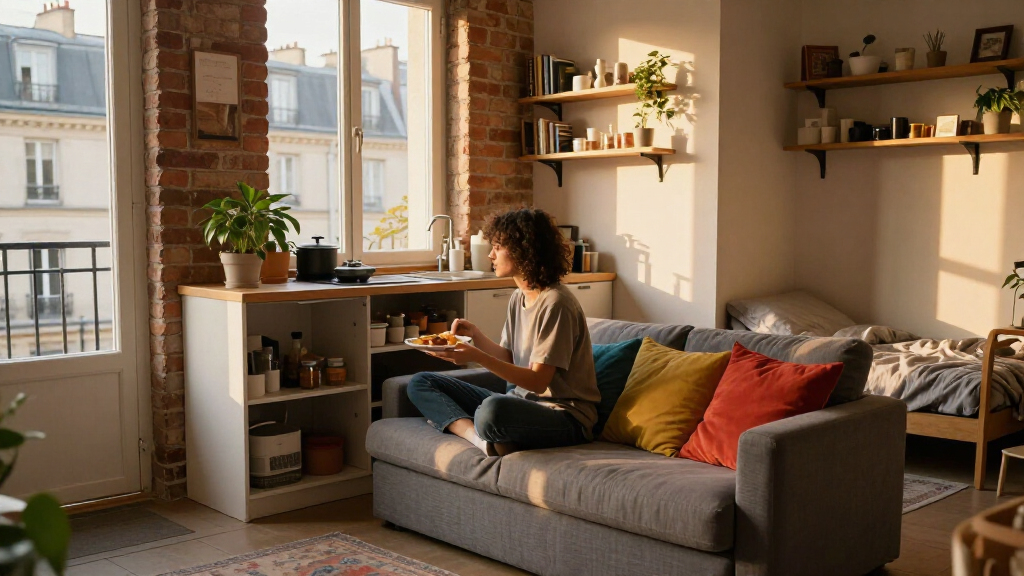
The apartment, located in the heart of Paris, has been highlighted in recent online coverage as an example of maximizing every inch of a very small living area. It features multi-purpose furniture, vertical storage solutions, and clever spatial arrangements that allow for a bedroom, kitchen, and workspace within the 236-square-foot footprint. The design approach emphasizes flexibility and efficiency, enabling residents to live comfortably despite the limited size.
While the exact renovation process and the designer behind the transformation have not been publicly confirmed, the apartment’s layout has been praised for its ingenuity. The space incorporates fold-away beds, built-in shelving, and compact appliances, all tailored to optimize the limited square footage. The apartment’s popularity has surged on social media, fueling broader conversations about tiny living in expensive cities like Paris.
Why Tiny Living in Paris Is Gaining Attention
This development underscores a growing trend toward tiny living solutions in major cities with high real estate costs. The apartment serves as a case study for efficient design, inspiring others to rethink small space living. As urban populations increase and housing affordability remains a challenge, such innovative approaches could influence future apartment design and urban planning, making compact living more practical and desirable.fold-away bed for small apartments
As an affiliate, we earn on qualifying purchases.
As an affiliate, we earn on qualifying purchases.
Rising Interest in Small Space Living and Urban Design Trends
The trend toward tiny living has been growing globally, driven by escalating housing prices in major cities and changing lifestyles favoring minimalism. In Paris, where real estate prices are among the highest in Europe, residents and developers are exploring creative solutions to maximize limited space. This particular apartment’s attention coincides with a surge in media coverage on small-scale urban dwellings, though specific projects and design details often remain unconfirmed or anecdotal.
Previous examples of micro-apartments in cities like Tokyo, New York, and London have demonstrated similar space-saving strategies. The current focus on a 236-square-foot unit in Paris reflects a broader shift in urban housing, emphasizing multifunctionality and innovative interior solutions. The trend is also fueled by social media platforms showcasing tiny spaces as desirable, practical, and stylish alternatives to traditional apartments.
Details of Renovation and Design Origin Still Unconfirmed
It is not yet clear who designed the apartment or whether it was a renovation or a new build. The specific design techniques used, including furniture brands or custom solutions, remain unverified. Additionally, the extent of the renovation process and the owner’s intentions have not been publicly disclosed, leaving some questions about the project’s scope and replicability unanswered.
Potential for Broader Adoption and Further Micro-Unit Projects
As interest in tiny living continues to grow, more developers and residents may pursue similar space-maximizing projects in Paris and other high-cost cities. Future developments could include more micro-units, with design innovations shared through media and industry channels. It remains to be seen whether this apartment sparks wider adoption or influences urban housing policies, but the attention suggests a rising trend toward compact, efficient living solutions.
Key Questions
How does the apartment fit all essential living spaces into such a small area?
The apartment uses multi-purpose furniture, vertical storage, fold-away beds, and built-in shelving to maximize functionality within limited space.
Who designed this tiny apartment?
It is currently unconfirmed who the designer or renovator was, and whether it was a renovation or a new construction.
Is this type of tiny apartment common in Paris?
While micro-apartments are not yet widespread, interest is increasing due to high housing costs and urban density, with more projects likely in the future.
Could this design be replicated in other cities?
Yes, the principles of space efficiency are adaptable, though specific design features depend on local building codes and available space.
What impact might this have on future housing developments?
If successful, such projects could influence urban planning and encourage more micro-living solutions in expensive cities worldwide.
Source: rss
Fall Picks
fall essentials
As an affiliate, we earn on qualifying purchases.