
When designing your tiny house blueprint, avoid common mistakes like poor space planning, which can lead to cramped areas or wasted space, and neglecting vertical storage solutions that maximize limited room. Don’t overlook structural integrity—using weak materials or improper reinforcement can cause safety issues and costly repairs later. Focus on balancing functionality, safety, and efficiency from the start, or you risk costly rework. For tips on steering clear of these pitfalls, keep exploring these essential blueprint considerations.

Get compact home essentials delivered free with Prime
- Fast, free delivery on millions of items
- Prime Video, Amazon Music and more included
- Member-only deals all year
Key Takeaways
- Optimize layout for space efficiency by avoiding oversized furniture and incorporating multifunctional storage solutions.
- Prioritize vertical storage and compact appliances to maximize limited square footage.
- Ensure structural integrity through proper reinforcement, suitable materials, and load-bearing planning.
- Prevent costly repairs and safety hazards by addressing structural and weatherproofing considerations early.
- Spend time on detailed planning and accurate blueprints to avoid expensive modifications during construction.
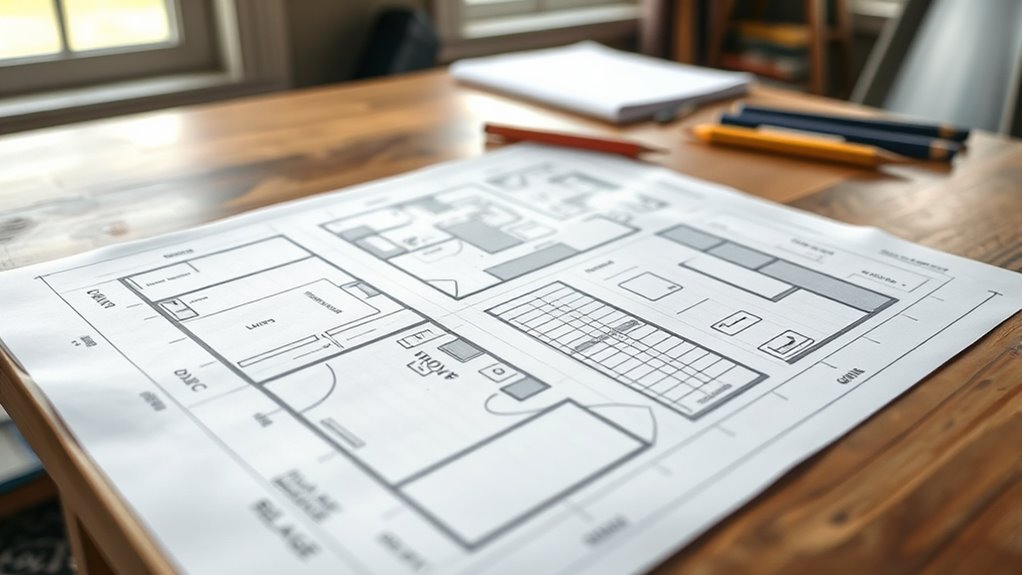
Have you ever wondered why some tiny house projects hit unexpected snags? Often, it comes down to blueprint mistakes that could have been avoided with careful planning. One common pitfall is neglecting the importance of space efficiency. When designing a tiny house, every square inch counts, so it’s essential to optimize your layout. Failing to consider how different areas will be used can lead to wasted space or cramped living conditions. For example, placing the kitchen and bathroom too far apart can make daily routines cumbersome, while oversized furniture might fill up your limited space quickly. Instead, focus on multifunctional furniture and creative storage solutions that maximize every nook and cranny. Combining vertical storage with compact appliances helps you maintain an open feel without sacrificing functionality.
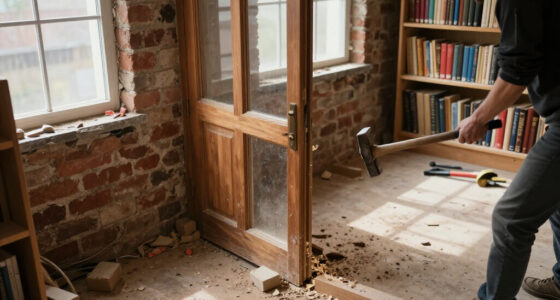
Another critical aspect to avoid mishaps is overlooking structural integrity in your blueprint. Tiny houses are mobile or semi-permanent structures, which means they must withstand transportation and weather conditions. If your design lacks proper reinforcement or uses inappropriate materials, your house could suffer damage over time or during moves. Overlooking load-bearing walls or not accounting for weight distribution can compromise safety and stability, leading to costly repairs or even dangerous situations. Make sure your blueprints incorporate sturdy foundation plans, well-supported framing, and appropriate materials for your climate. Consulting with engineers or experienced builders during the planning stage can help you identify weak points that might otherwise go unnoticed. Remember, sacrificing structural integrity for the sake of a slightly more open layout isn’t worth risking safety or longevity.
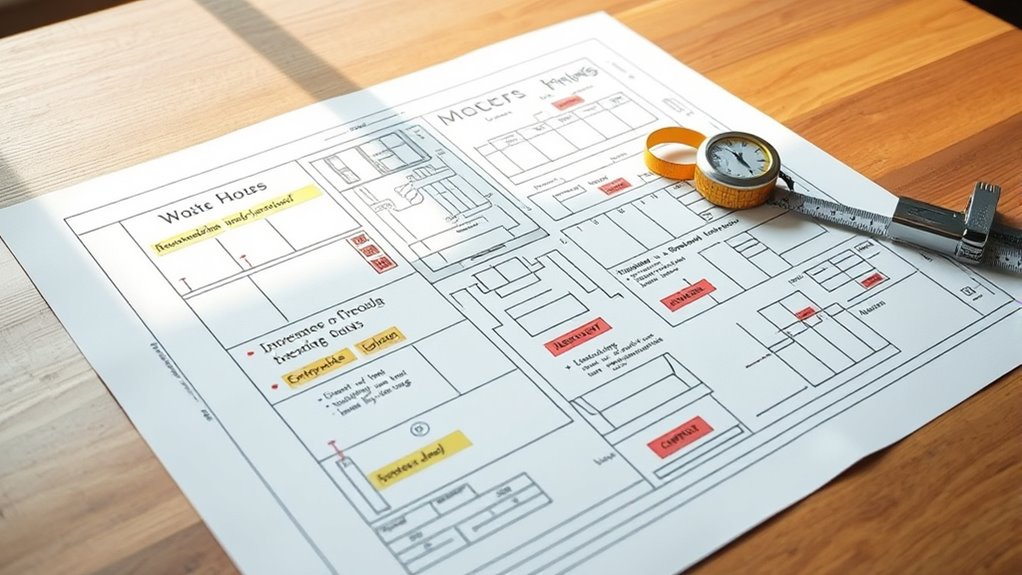
Additionally, these blueprint oversights aren’t just about safety and space—they can also affect your overall budget. Fixing structural issues or reconfiguring a poorly optimized layout after construction begins can cost you a lot more than getting it right from the start. Investing time in detailed planning ensures your tiny house is both livable and durable. Use your blueprints as a guide to double-check measurements, materials, and structural components before breaking ground. It’s better to spend extra time upfront than to face costly modifications later on.
Ultimately, avoiding these common blueprint mistakes is about balancing functionality, safety, and efficiency. By paying close attention to space utilization and ensuring your design maintains structural integrity, you set yourself up for a smoother building process and a more comfortable, secure home. Tiny houses are all about smart use of limited space, but that doesn’t mean you should cut corners on safety or practicality. With thoughtful planning and attention to detail, your tiny house can become a cozy, safe haven that meets all your needs without unexpected surprises along the way.
tiny house space-saving furniture
As an affiliate, we earn on qualifying purchases.
As an affiliate, we earn on qualifying purchases.
Frequently Asked Questions
How Do I Choose the Right Land for My Tiny House?
You should start by researching zoning restrictions in your desired area, ensuring tiny houses are permitted. Look for land that aligns with your environmental impact goals, such as low-impact locations or eco-friendly communities. Visit the site to assess access, utilities, and natural features. Choosing the right land involves balancing legal requirements and environmental considerations, making sure your tiny house fits well within the community and adheres to local regulations.
What Are Cost-Effective Ways to Customize Tiny House Designs?
To customize your tiny house affordably, focus on creative decorating ideas like repurposing furniture or using DIY wall art. Opt for eco-friendly materials such as reclaimed wood or low-VOC paints to save costs and reduce your environmental impact. You can also personalize spaces with affordable accessories and smart storage solutions, making your tiny home uniquely yours without breaking the bank.
How Can I Maximize Storage in a Small Space?
To maximize storage in a small space, focus on smart storage solutions like built-in shelves, under-stair compartments, and multi-purpose furniture. Use vertical space for wall-mounted storage and hang items to free up floor area. Prioritize space optimization by choosing furniture that folds or slides away when not in use. These strategies help you make the most of limited space, ensuring everything has a designated spot without clutter.
What Permits Are Required for Tiny House Construction?
You need to check local zoning restrictions and building codes before constructing your tiny house. Many areas require permits for foundation, electrical, and plumbing work, and some zones prohibit tiny houses altogether. Visit your city or county’s planning department to clarify specific regulations. Securing the proper permits guarantees your tiny house meets safety standards and avoids costly fines or legal issues down the line. Always prioritize compliance to make your build smooth.
How Do I Ensure My Tiny House Meets Safety Standards?
Think of your tiny house as a delicate dance that must stay in perfect harmony. To guarantee it meets safety standards, prioritize fire safety by installing smoke detectors and fire extinguishers, and double-check your electrical wiring for proper insulation and secure connections. Regular inspections keep your home safe and compliant, allowing your tiny sanctuary to thrive without the fear of unseen dangers lurking beneath its cozy surface.
Conclusion
So, despite all the planning, it’s funny how overlooking tiny details can turn your dream home into a hassle. You’d think a blueprint would be foolproof, but sometimes the biggest mistake is thinking you’ve got it all covered. Ironically, the tiniest oversight can cause the biggest headaches. Stay vigilant, double-check everything, and remember—sometimes less planning leads to more problems. After all, who knew tiny houses could be so big on surprises?
Halloween Picks
halloween
As an affiliate, we earn on qualifying purchases.