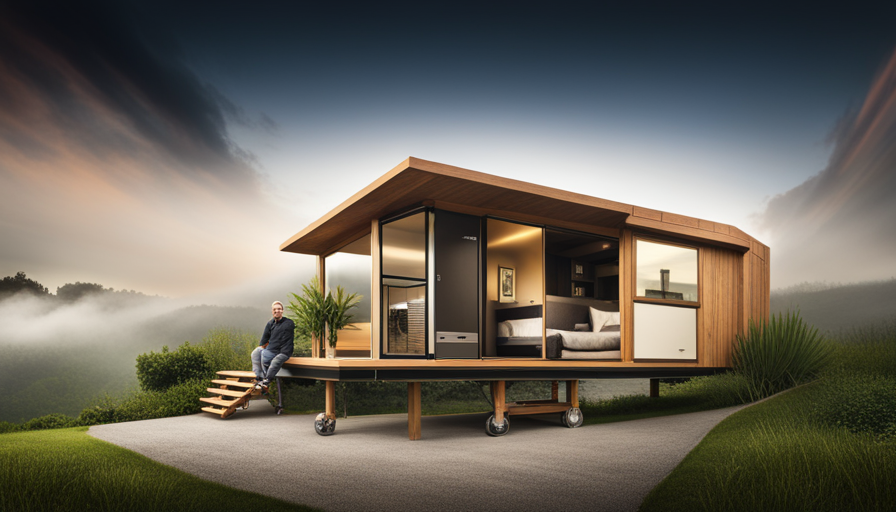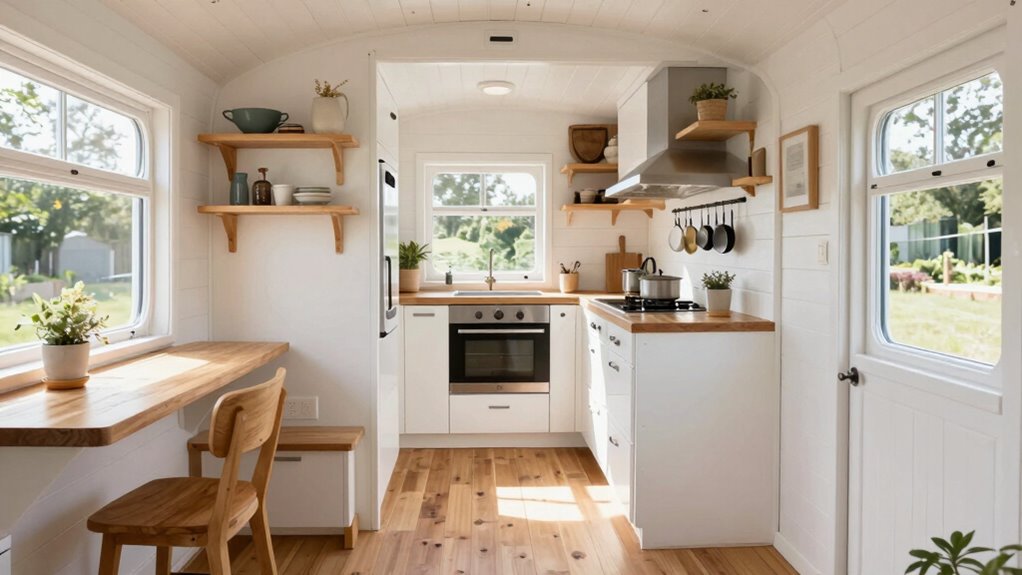

Before buying a tiny house, you should understand local regulations on mobile homes, zoning restrictions, and building codes to guarantee your home is legal. Check rules about utility hookups and permits needed for water, electricity, and sewage. Also, learn transportation laws if you’ll move your tiny house on wheels, so you avoid fines or issues. Staying informed helps you plan effectively and avoid surprises—keep exploring to get all the details you need.

Get compact home essentials delivered free with Prime
- Fast, free delivery on millions of items
- Prime Video, Amazon Music and more included
- Member-only deals all year
Key Takeaways
- Understand local zoning laws to ensure tiny house placement is permitted in your desired area.
- Check mobile home regulations for safety standards and transportation requirements.
- Verify building codes and permit requirements for construction and permanent installation.
- Research utility hookup regulations for water, electricity, and sewage connections.
- Learn transportation laws to safely and legally move your tiny house on wheels.
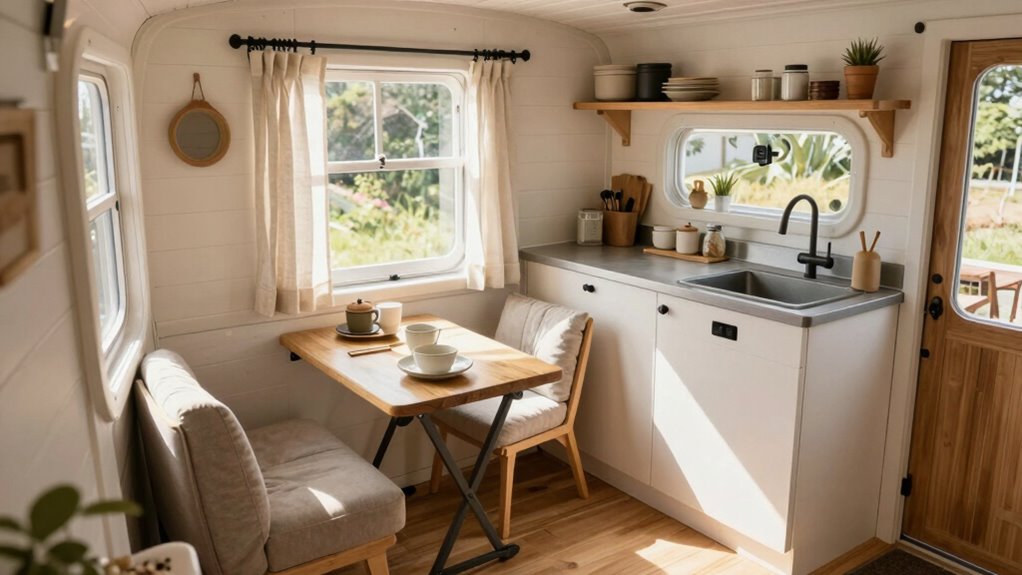
Living in a tiny house offers a simpler, more sustainable lifestyle, but it also comes with specific rules you need to follow. Before you dive in to tiny house living, it’s essential to understand the mobile home regulations that may apply. These rules often govern how you can build, park, and maintain your tiny house, especially if it’s on wheels. Some areas classify tiny houses as mobile homes, which means you’ll need to comply with specific standards related to safety, size, and transportation. Failing to adhere to these regulations could lead to fines or even legal issues, so it’s imperative to check local laws early in your planning process. Additionally, many mobile home regulations stipulate how close your tiny house can be to property lines or other structures, which can influence where you choose to park or place your home. Understanding local regulations is crucial for a smooth transition into tiny house living. Zoning restrictions are another critical factor you must weigh. Local zoning laws determine where tiny houses are permitted and what types of structures are allowed within certain districts. Some zones might prohibit tiny houses altogether, or they may restrict them to designated areas like mobile home parks or specific residential zones. It’s essential to research your city or county’s zoning ordinances to see if your intended location is compliant. If you plan to build on a permanent foundation, you might need to obtain special permits or variances, which can be time-consuming but necessary to avoid legal complications. Knowing about building codes and other regulations will help you better navigate the process and avoid surprises. It’s also helpful to understand how utility hookups are regulated, as this can impact your setup and compliance requirements. Being aware of transportation regulations related to moving your tiny house can also prevent legal issues when relocating or traveling with your home.
As an affiliate, we earn on qualifying purchases.
Frequently Asked Questions
Can I Park a Tiny House Anywhere Legally?
You can’t park a tiny house anywhere legally without checking local regulations. Mobile home laws and building codes vary by city and state, often restricting where you can place your tiny house. Some areas require permits or designated zones for mobile homes. Before parking your tiny house, research local zoning laws and building codes to guarantee compliance. Ignoring these rules can lead to fines or removal, so always verify legality beforehand.
What Are the Best Ways to Finance a Tiny House?
Financing a tiny house can feel like climbing Mount Everest, but it’s doable. You can tap into personal loans, RV loans, or specialized tiny house financing options, considering tiny house portability and affordability. Some lenders treat tiny houses like RVs, making loans more accessible. Additionally, saving aggressively or using a home equity loan can help. Explore all options to find the best fit for your budget and dream of tiny living.
Are There Specific Zoning Laws for Tiny Houses?
Yes, there are specific zoning laws for tiny houses, and you need to research local regulations. Tiny house zoning varies widely; some areas permit legal parking on foundations or wheels, while others don’t. Check with local authorities to understand legal parking options and zoning restrictions. It’s essential to confirm your tiny house complies with these laws to avoid fines or losing your home. Always verify zoning laws before making a purchase.
How Do I Ensure Proper Utility Connections?
You guarantee proper utility connections by researching local hookup requirements, much like planning a road trip. Verify regulations for water, electricity, and sewer hookups, then work with licensed professionals to install portable amenities and secure permits. Think of it as creating a seamless experience between your tiny home and essential services. Double-check that all connections are up to code, safe, and efficient, so your cozy space stays comfortable and functional.
What Insurance Options Are Available for Tiny Houses?
You should explore tiny house insurance to find coverage options tailored to your needs. Many providers offer specialized tiny house insurance that covers both the structure and personal belongings. You might also consider policies that include liability coverage, fire protection, and theft. Shop around, compare quotes, and read each policy carefully to guarantee it fits your lifestyle and budget, giving you peace of mind on your tiny living journey.
Conclusion
Before you buy, be brilliant with your basics—balance building codes, budget, and boundary needs. Know the nuances of neighborhood norms and navigate the nuances of utilities and zoning. Be prepared, be prudent, and embrace the tiny house journey with joy and judgment. With wisdom, work, and a bit of wit, you’ll walk your way into a wonderful, well-worn world of tiny living. Happy house hunting!
Halloween Picks
halloween
As an affiliate, we earn on qualifying purchases.