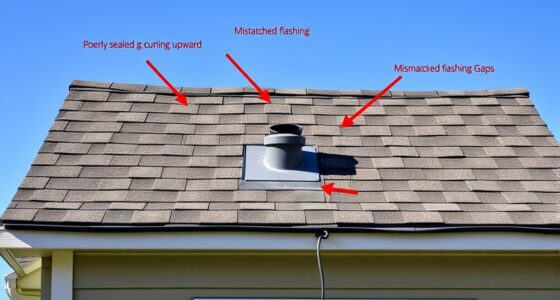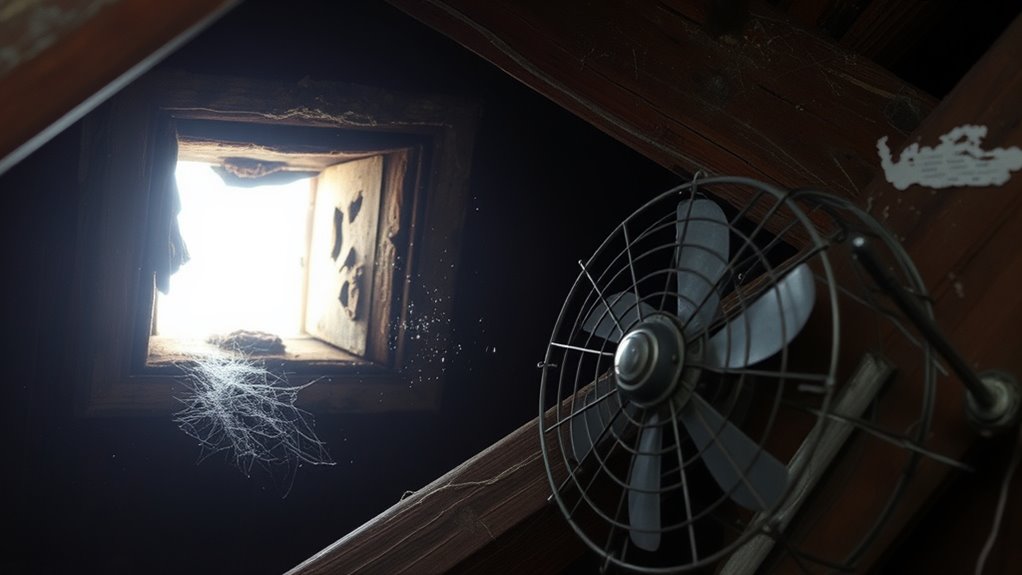
Common ventilation problems include blocked vents, misplacement of airflow sources, and malfunctioning systems that cause stale air and moisture buildup. You can fix these issues by regularly cleaning vents and filters, ensuring furniture doesn’t obstruct airflow, and scheduling professional duct inspections. Upgrading ventilation components or adding exhaust fans can also help improve airflow and reduce humidity. Keep exploring to discover more effective solutions for maintaining a healthy, well-ventilated home.
Key Takeaways
- Blocked or clogged vents and ducts restrict airflow, leading to poor indoor air quality.
- Improper vent placement creates dead zones and uneven air distribution.
- Malfunctioning ventilation systems reduce air exchange, causing dampness and odors.
- Obstructions like furniture or debris block vents, impairing airflow.
- Regular maintenance, cleaning, and system upgrades improve ventilation effectiveness.
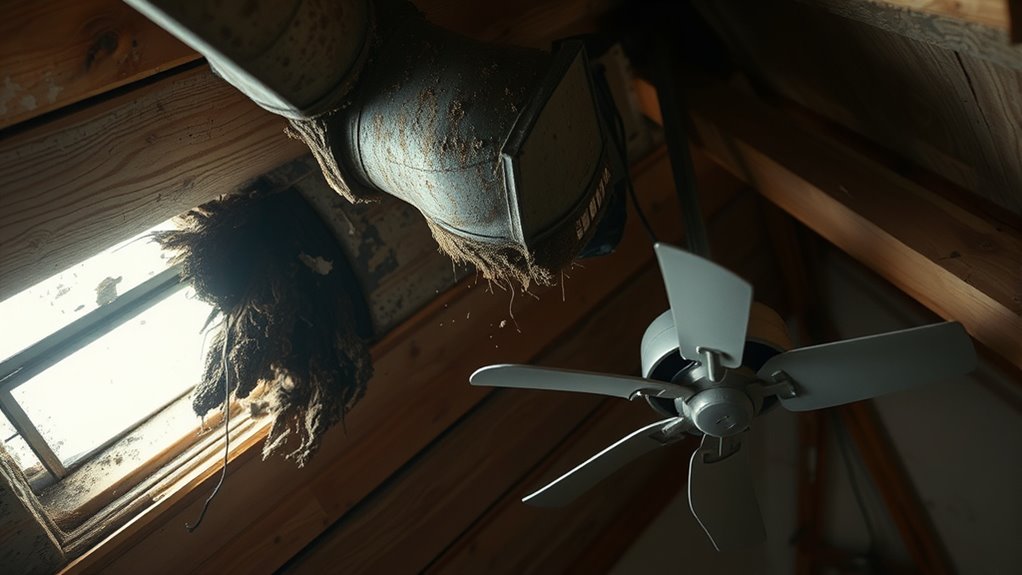
Poor ventilation can quickly lead to stuffy, uncomfortable indoor environments and even health issues. When airflow restrictions occur, fresh air can’t circulate properly, causing indoor air quality to decline. This often results in stale air lingering, which can contribute to headaches, allergies, and respiratory problems. One common cause of airflow restrictions is blocked or clogged vents and ducts, which prevent air from moving freely through your home. Additionally, improper placement of vents or inadequate ventilation systems can create dead zones where air stagnates. If these issues persist, moisture buildup becomes a serious concern. Without sufficient airflow to carry away excess humidity, your home can become a breeding ground for mold and mildew, which pose health risks and damage your property. Moisture buildup isn’t just a nuisance; it can weaken walls, ceilings, and furniture over time, leading to costly repairs.
You might notice that certain rooms feel damp or have a persistent musty smell, signaling poor ventilation and moisture problems. To fix airflow restrictions, start by inspecting all vents, filters, and exhaust fans. Clean or replace clogged filters regularly to ensure air moves without obstruction. Make sure vents are open and unobstructed—sometimes furniture, curtains, or debris can block airflow. If your home has ductwork, consider scheduling a professional inspection to identify leaks, blockages, or improper sizing that hampers airflow. Upgrading your ventilation system with more efficient fans or adding additional vents can considerably improve circulation. Installing or enhancing exhaust fans in bathrooms and kitchens helps remove excess moisture and odors before they cause problems.
Controlling moisture buildup involves more than just improving airflow; it requires addressing sources of excess humidity. Use dehumidifiers in damp areas like basements or laundry rooms, especially during humid seasons. Ensure your home has proper insulation and vapor barriers to prevent condensation from forming on walls and windows. Ventilate after activities that generate moisture, such as cooking, showering, or drying clothes indoors. Opening windows when weather permits can also help balance indoor humidity levels and introduce fresh air. Regular maintenance of your ventilation system is key—cleaning filters, inspecting ducts, and ensuring all components work efficiently prevents airflow restrictions and moisture issues from recurring. Whole-house filtration systems can also improve indoor air quality by removing airborne contaminants and allergens that contribute to poor air quality. These simple steps can dramatically improve indoor air quality, making your living space more comfortable, healthier, and safer. Remember, addressing airflow restrictions and moisture buildup promptly is essential to maintaining a well-ventilated home.
Frequently Asked Questions
How Can I Tell if My Ventilation System Is Working Efficiently?
You can tell if your ventilation system is working efficiently by performing an airflow assessment. Check for consistent airflow from vents and make certain no unusual odors or humidity levels linger. If air feels stale or there’s excess condensation, your ventilation efficiency might be compromised. Regularly inspecting and testing your system helps confirm it’s operating properly, ensuring good indoor air quality and energy savings.
Are There DIY Solutions for Common Ventilation Issues?
Yes, you can try DIY fixes for common ventilation issues. Start by checking your ventilation sensors—they might be dirty or misaligned, causing inaccurate readings. Clean these sensors gently and ensure they’re properly positioned. If airflow seems weak, clear vents or replace filters. Small adjustments like sealing leaks or installing exhaust fans can also improve airflow. Just remember, always turn off power before tinkering and know when to call a professional.
How Often Should Ventilation Systems Be Inspected or Maintained?
You should schedule maintenance and inspections for your ventilation system at least once a year to guarantee peak performance. Regular inspection frequency helps catch issues early, preventing costly repairs and ensuring good air quality. During these check-ups, clean filters, ducts, and vents, and verify that fans and exhausts operate correctly. Keeping to a consistent maintenance schedule keeps your system efficient and extends its lifespan, giving you peace of mind.
What Are Signs of Mold Caused by Poor Ventilation?
You’ll notice mold growth on walls, ceilings, or around vents if poor ventilation causes issues. Musty odors often linger in these areas, signaling hidden mold. You might also see discoloration or damp patches, indicating excess moisture trapped indoors. These signs mean you should improve airflow, fix leaks, and clean affected surfaces promptly to prevent health problems and further damage from mold caused by inadequate ventilation.
Can Poor Ventilation Affect Indoor Air Quality and Health?
Poor ventilation can considerably impact your indoor air quality and health by trapping indoor pollutants like dust, allergens, and mold spores. When ventilation efficiency decreases, these pollutants accumulate, increasing your risk of respiratory issues, allergies, and other health problems. You might notice stuffy air or persistent odors. To protect yourself, make certain of proper ventilation, open windows regularly, and use exhaust fans to improve air circulation and reduce indoor pollutants.
Conclusion
Remember, a problem shared is a problem halved. When you address common ventilation issues promptly, you improve air quality and save money in the long run. Regular maintenance and quick fixes can prevent small problems from becoming costly repairs. Don’t ignore signs like stuffy air or lingering odors. By staying proactive, you’ll keep your home comfortable and healthy—because as the saying goes, “A stitch in time saves nine.” Take action today for better airflow tomorrow.