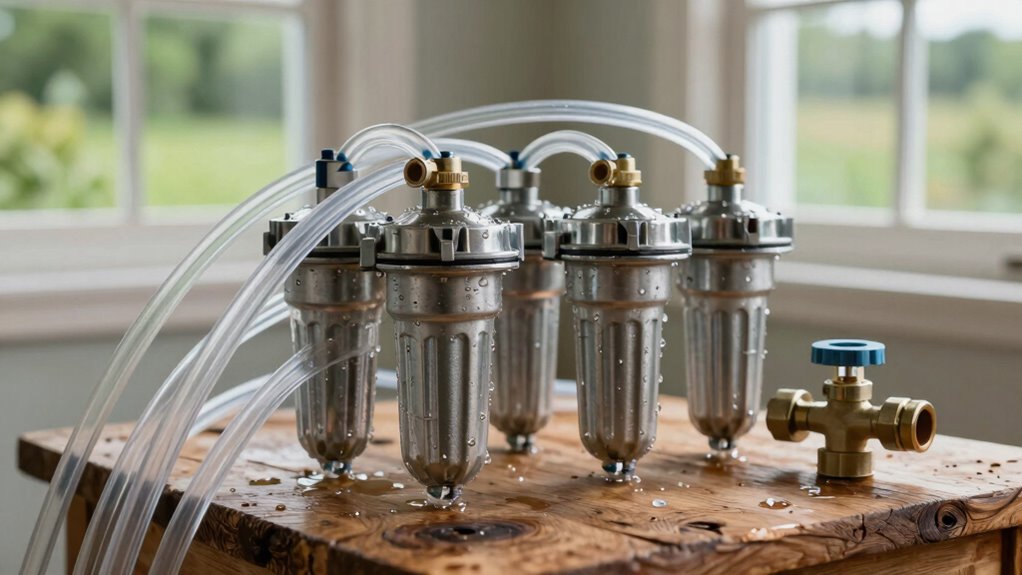

A water filtration bundle helps your tiny house achieve independence by providing safe, clean water for drinking and cooking. It combines filters targeting contaminants like sediment, chlorine, and bacteria, ensuring high-quality water and reducing reliance on municipal supplies. Proper maintenance extends system life, while rainwater harvesting can supplement your source sustainably. With the right setup and ongoing care, you can enjoy eco-friendly, self-sufficient water access—if you want to learn more, keep exploring the options.

Get compact home essentials delivered free with Prime
- Fast, free delivery on millions of items
- Prime Video, Amazon Music and more included
- Member-only deals all year
Key Takeaways
- Choose filtration bundles with multi-stage filters tailored to remove common contaminants in tiny house water sources.
- Incorporate rainwater harvesting with effective filtration to create a self-sufficient, eco-friendly water supply.
- Regularly maintain and monitor filters to ensure water safety and extend system lifespan.
- Select sustainable, eco-conscious filtration materials supporting environmental health.
- Assess daily water needs and local contaminants to customize an efficient, independent water system.
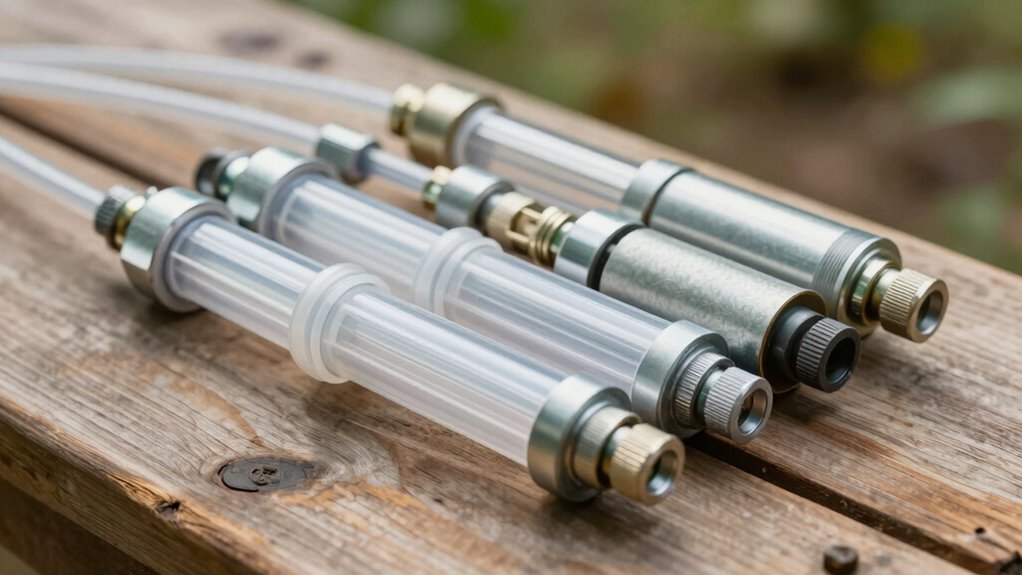
Are you looking for an efficient way to improve your home’s water quality? If so, exploring water filtration bundles tailored for tiny houses can make a big difference. These bundles often include a combination of filters designed to remove contaminants, improve taste, and guarantee your water is safe for drinking and cooking. One popular method to supplement your water supply is rainwater harvesting, which allows you to collect and use rainwater, reducing reliance on municipal sources. When implementing rainwater harvesting, it’s vital to incorporate effective filtration maintenance. Regularly checking and replacing filters assures that debris, bacteria, and other pollutants don’t build up, which could compromise water quality. Proper filtration maintenance also prolongs the life of your system and keeps it running efficiently, saving you time and money in the long run.
By integrating rainwater harvesting with your filtration bundle, you create a sustainable water source that’s both eco-friendly and independent. As rainwater flows into your collection system, you’ll want to make certain it passes through a series of filters that remove leaves, dirt, and other large particles. After this initial filtration, your water should go through finer filters that target bacteria, viruses, and chemicals, depending on your setup. Maintaining these filters is straightforward but vital. Regularly inspecting, cleaning, or replacing them prevents clogging and bacterial growth, ensuring every drop of water remains safe for use. Additionally, understanding the importance of biodiversity can help you select eco-friendly filtration options that support local ecosystems. Implementing proper maintenance routines can also prevent the need for costly replacements and ensure your system stays in optimal condition. Using monitoring tools can help you track system performance and identify issues early. Incorporating sustainable practices can further enhance your system’s eco-friendliness, minimizing environmental impact.
Choosing the right water filtration bundle means considering how much water you’ll need daily and what contaminants are present in your area. Bundles often include multiple filters, such as sediment filters, carbon filters, and UV sterilizers, each targeting specific impurities. When you stay on top of filtration maintenance, you not only improve water quality but also extend the lifespan of your entire system. This proactive approach reduces the risk of unexpected failures and costly repairs. Plus, with rainwater harvesting integrated into your setup, you’re actively reducing your dependence on external water sources, making your tiny house more self-sufficient.
Incorporating rainwater harvesting with a reliable filtration bundle and consistent maintenance creates a seamless, sustainable water system. You’ll enjoy peace of mind knowing your water is clean and safe, all while reducing your environmental footprint. With just a little effort in upkeep and a smart setup, you turn your tiny house into a fully independent, eco-friendly home that’s ready to stand on its own.
tiny house water filtration bundle
As an affiliate, we earn on qualifying purchases.
As an affiliate, we earn on qualifying purchases.
Frequently Asked Questions
How Often Should Water Filters Be Replaced in Tiny House Setups?
You should replace your water filters every 6 to 12 months, depending on your maintenance schedule and water quality. Regular filter replacement guarantees your tiny house’s water stays clean and safe. Check manufacturer recommendations and monitor for signs like reduced flow or strange tastes. By sticking to a consistent maintenance schedule, you’ll keep your filtration system functioning effectively and enjoy fresh, safe water every day.
Can Water Filtration Bundles Remove All Contaminants From Natural Water Sources?
Did you know that some water filtration bundles can remove over 99% of common contaminants? While they greatly improve water quality, they can’t eliminate all contaminants from natural sources. The filtration efficiency varies depending on the system and the specific pollutants. For thorough safety, you might need multiple filters or specialized systems. Always check the contaminant removal capabilities to guarantee your tiny house water stays safe and clean.
Are There Eco-Friendly Water Filtration Options Suitable for Tiny Houses?
Yes, there are eco-friendly water filtration options suitable for tiny houses. You can choose systems made from eco-friendly materials like biodegradable filters or sustainably sourced components. Look for renewable filtration solutions that use reusable or replaceable filters, reducing waste. These options help you maintain water quality while minimizing environmental impact. By selecting eco-conscious filtration, you support sustainable living and enjoy clean water without harming the planet.
How Do Water Filtration Bundles Affect Water Pressure and Flow Rate?
Water filtration bundles can slightly reduce flow rate and impact water pressure stability. As water passes through filters, you might notice a decrease in flow rate, but pressure remains generally stable if the bundle is properly installed. Think of it like a smooth stream—filters slow the flow just enough to guarantee clarity without sacrificing too much pressure or flow, helping you enjoy clean water without compromising performance.
What Is the Typical Lifespan of a Complete Water Filtration Bundle System?
A complete water filtration bundle system typically lasts between 6 to 12 months, depending on water quality and usage. Regular filtration maintenance is essential to guarantee peak performance and water safety. If your water quality is poor or you use more water daily, you’ll need to replace filters more frequently. Keeping up with maintenance prolongs the system’s lifespan, assures clean water, and maintains consistent flow rates for your tiny house needs.
Conclusion
Imagine a tiny house owner who, thanks to a reliable water filtration bundle, can enjoy pure, safe drinking water no matter where they go. With the right setup, you won’t have to worry about contaminants or access issues. Just like them, you can experience true independence—knowing your water is clean and safe. Investing in a quality filtration bundle isn’t just practical; it’s a step toward peaceful, self-sufficient living.
Columbus Day / Indigenous Peoples' Day Picks
long weekend sales
As an affiliate, we earn on qualifying purchases.