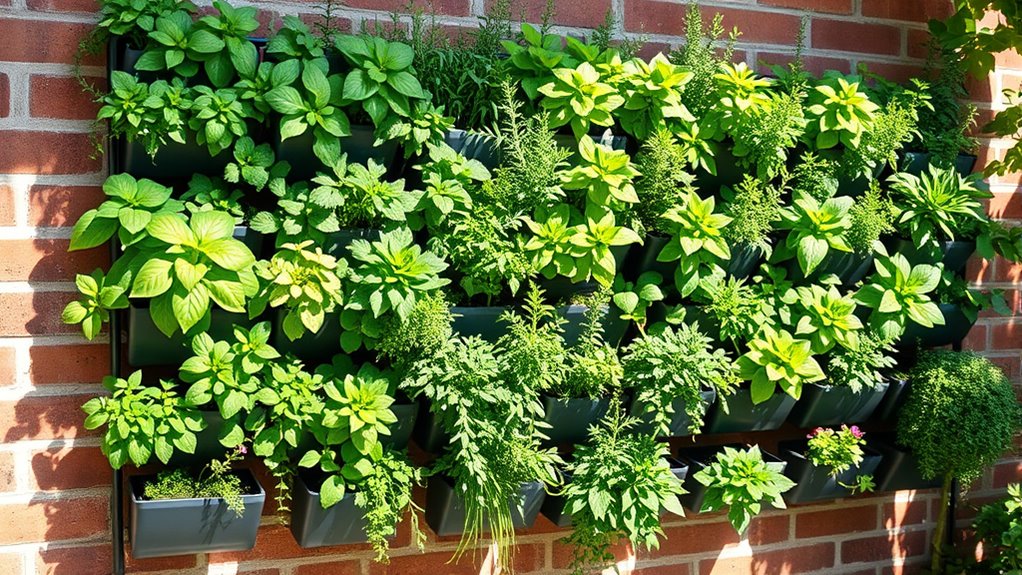

Imagine transforming a plain wall into a lush, productive herb garden that saves space and adds beauty. Growing 20 herbs vertically might seem ambitious, but with thoughtful design, it’s entirely possible. Proper planning guarantees your herbs get enough light, drainage, and airflow, leading to a thriving green wall. Curious about how to make this happen efficiently in your limited space? The key lies in understanding the right setup and maintenance strategies.
Key Takeaways
- Select a variety of herbs like basil, mint, cilantro, and parsley to maximize diversity on a single wall.
- Use modular planters or repurposed materials to efficiently organize 20 herbs vertically.
- Ensure adequate sunlight, drainage, and proper spacing for healthy herb growth in a vertical setup.
- Incorporate eco-friendly materials and sustainable practices to support environmental benefits.
- Design the wall for accessibility and aesthetic appeal, creating a functional and attractive herb garden.
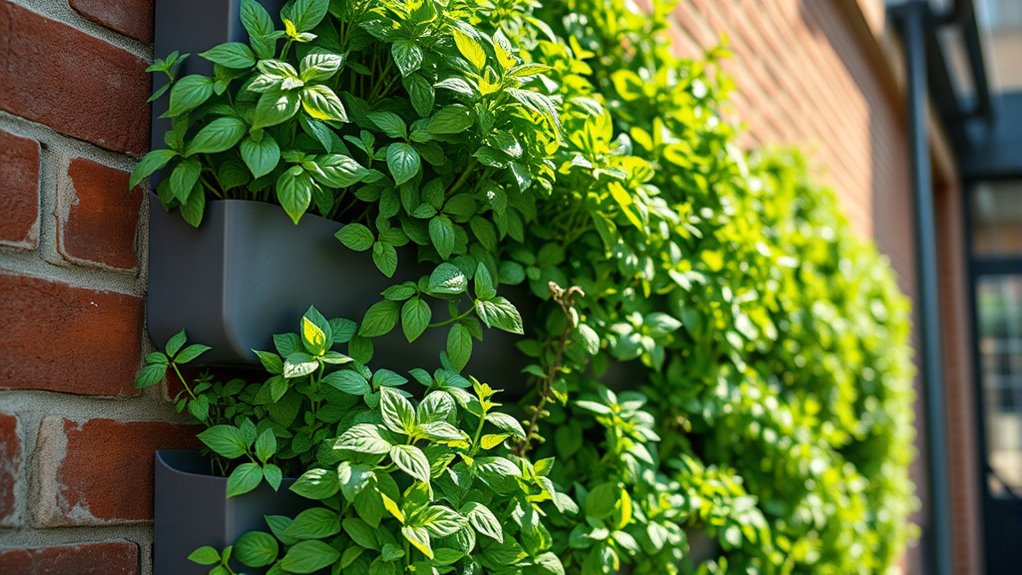
Vertical gardens transform small or unused wall spaces into lush, living displays of greenery. When you decide to grow herbs on one wall, you’re not just adding a touch of nature; you’re making a statement about urban aesthetics and sustainable design. These vertical setups effortlessly turn dull, empty surfaces into vibrant, functional art that enhances your living space. By choosing to create a herb wall, you embrace a creative way to incorporate greenery into your home or apartment, especially when space is limited. It’s a smart solution that combines beauty with practicality, giving you fresh herbs right at your fingertips while elevating the look of your environment.
Vertical herb walls turn empty walls into lush, stylish, space-saving displays that boost your home’s beauty and sustainability.
You’ll find that vertical herb gardens are especially appealing because they maximize your limited space. Instead of spreading out on a traditional garden bed, herbs grow upright, saving you floor space and making your environment feel more open. When you incorporate these gardens into your urban setting, you contribute to a greener, more sustainable cityscape. They reduce your carbon footprint by cutting down on packaging and transportation associated with store-bought herbs. Plus, using eco-friendly materials and composting scraps supports sustainable design principles, making your garden not just beautiful but environmentally responsible.
Setting up your vertical herb garden is straightforward. You can opt for modular planters, pockets, or even repurposed pallets that hang on your wall. The key is to ensure your chosen plants get enough light and proper drainage. Once your herbs are in place—basil, mint, cilantro, or parsley—you’ll appreciate the convenience of harvesting fresh herbs daily. Not only does this elevate your cooking, but it also fosters a deeper connection with nature, even within an urban environment. Your wall becomes more than just a surface; it transforms into a living, breathing part of your home that supports your health and sustainability goals.
Over time, your herb wall will become a focal point that draws admiration from visitors and neighbors alike. It embodies modern urban aesthetics—clean, green, and innovative—while championing sustainable design practices. You’ll feel proud knowing you’re doing your part to promote biodiversity and reduce waste. Plus, tending to your vertical garden offers a calming, rewarding experience that can help you unwind after a busy day. In essence, growing herbs on a wall combines visual appeal with functionality and eco-consciousness, creating a space that’s both beautiful and beneficial for your lifestyle. Incorporating regulatory compliance into your setup can help ensure your garden remains sustainable and legally sound.

Fogein 5 Tier Vertical Raised Garden Bed Planter Box, Vertical Raised Bed with Drainage Holes for Indoor Outdoor Herbs Flowers Vegetables Plants, Black
Sturdy and Durable-The vertical garden planter is made with a sturdy all-metal frame to ensure durability and longevity….
As an affiliate, we earn on qualifying purchases.
As an affiliate, we earn on qualifying purchases.
Conclusion
A vertical herb garden can turn any wall into a lush, productive space. Did you know that growing herbs vertically can save up to 90% of space compared to traditional gardening? Not only do you get fresh herbs at your fingertips, but you also boost your home’s aesthetic and sustainability. With the right design, you can enjoy a vibrant, eco-friendly garden that makes the most of limited space. Start your vertical herb garden today!
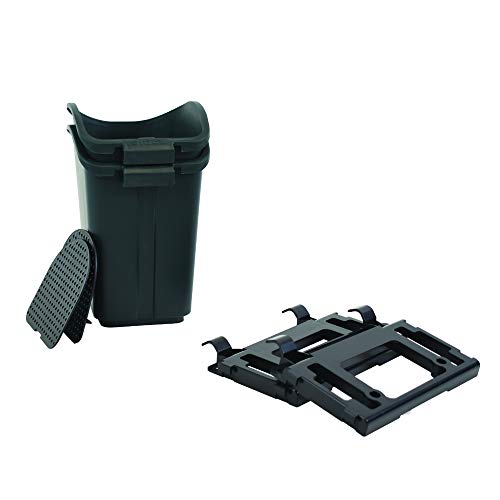
DIG GLW-209S Living Wall™ Modular Vertical Garden Expansion Kit with Pots (4 ¾” W x 7 ½" H), Mounting Brackets, & Screws (Pack of 2)
Customizable Drip Irrigation System – Create a personalized drip irrigation system with DIG's small and large pots, allowing…
As an affiliate, we earn on qualifying purchases.
As an affiliate, we earn on qualifying purchases.

ANGTUO 6 Pockets Hanging Planters for Outdoor Plants, One Pack Wall Planter Vertical Garden, Hanging Plant Holder for Railing, Balcony, Fence
Enough Planting Space: According to most of the buyers' suggestions for improvement, the number of pockets in the…
As an affiliate, we earn on qualifying purchases.
As an affiliate, we earn on qualifying purchases.
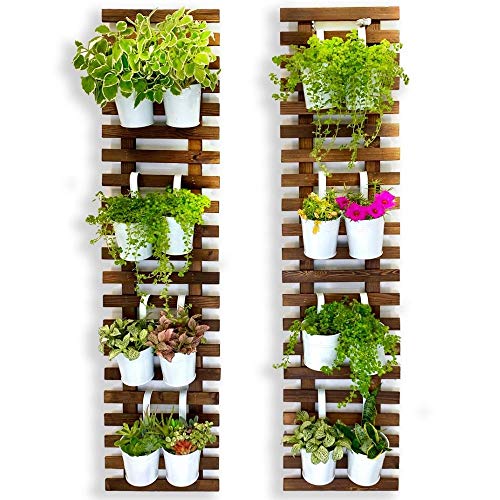
ShopLaLa Wall Planter – 2 Pack, Wooden Hanging Large Planters for Indoor Outdoor Plants, Live Vertical Garden, Plant Wall Mount Flower Pot Holder Hanger Stand Green Herb Wall Decor 47.2" (120cm)
29x120cm (11.4" x 47.2") x 2 pcs. Plants, flowers, pots, decorations are NOT included
As an affiliate, we earn on qualifying purchases.
As an affiliate, we earn on qualifying purchases.