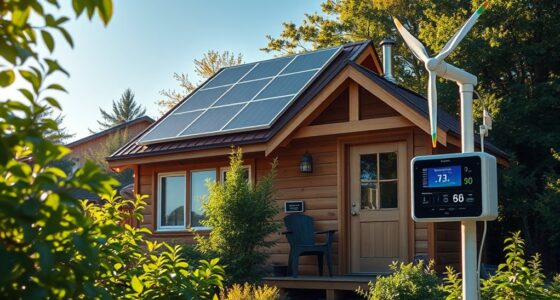
To guarantee your compact house stays powered during outages, focus on integrating renewable energy sources like solar panels or small wind turbines, which boost independence and reduce reliance on the grid. Smart monitoring apps help you manage energy remotely and respond instantly to outages. Choose scalable, weather-resistant components that fit your space and future needs. Prioritizing efficient, eco-friendly solutions makes your home both reliable and sustainable—keep exploring to discover more ways to optimize your backup system.

Get compact home essentials delivered free — and shop member deals
- Fast, free delivery on millions of items
- Access to Prime Big Deal Days deals on October 6–7
- Prime Video, Amazon Music and more included
Key Takeaways
- Prioritize compact, space-efficient systems with integrated renewable energy sources for sustainability and independence.
- Ensure smart monitoring and remote control for efficient, real-time energy management during outages.
- Choose scalable, modular solutions to adapt to evolving household energy needs over time.
- Select weather-resistant components for durability in harsh climates and frequent outages.
- Focus on maximizing energy efficiency and eco-friendliness within a compact, easy-to-upgrade design.
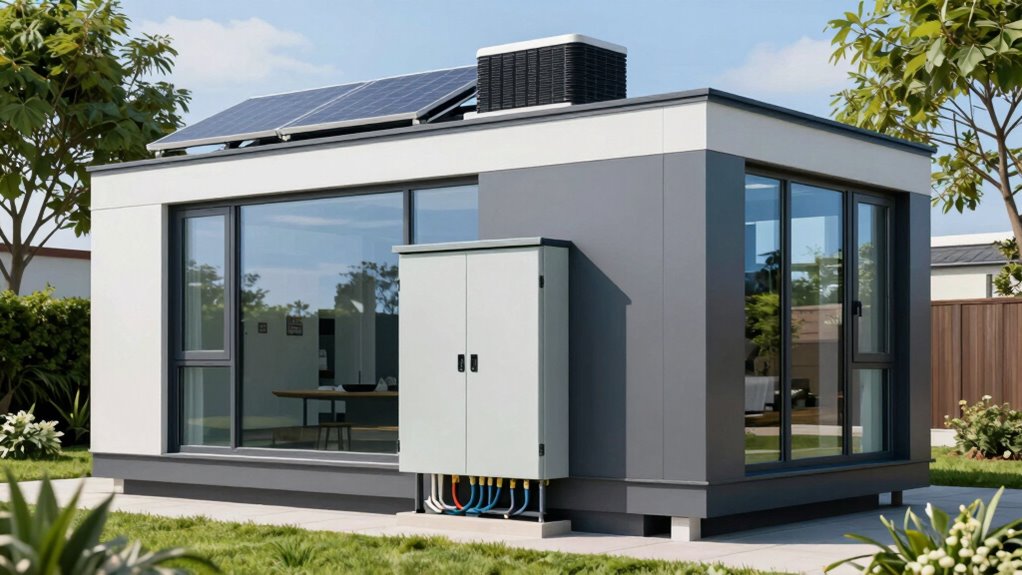
Ever wondered how to keep your small house powered during outages? If so, you’re not alone. Many compact homes face the challenge of maintaining power without sacrificing space or efficiency. The key is to explore whole-home backup solutions that prioritize both innovation and practicality. When considering these systems, renewable integration stands out as a game-changer. By harnessing solar panels or small wind turbines, you can generate clean energy that reduces reliance on the grid. This approach not only makes your home more sustainable but also guarantees you have a reliable power source during outages. Modern backup systems often incorporate smart technology, allowing you to monitor and manage energy use remotely. With smart apps, you can see real-time data on battery levels, energy production, and consumption, giving you control at your fingertips. These features are especially valuable in small houses where space is limited, and efficiency matters most.
Smart, renewable backup solutions keep small homes powered efficiently during outages with remote control and real-time monitoring.
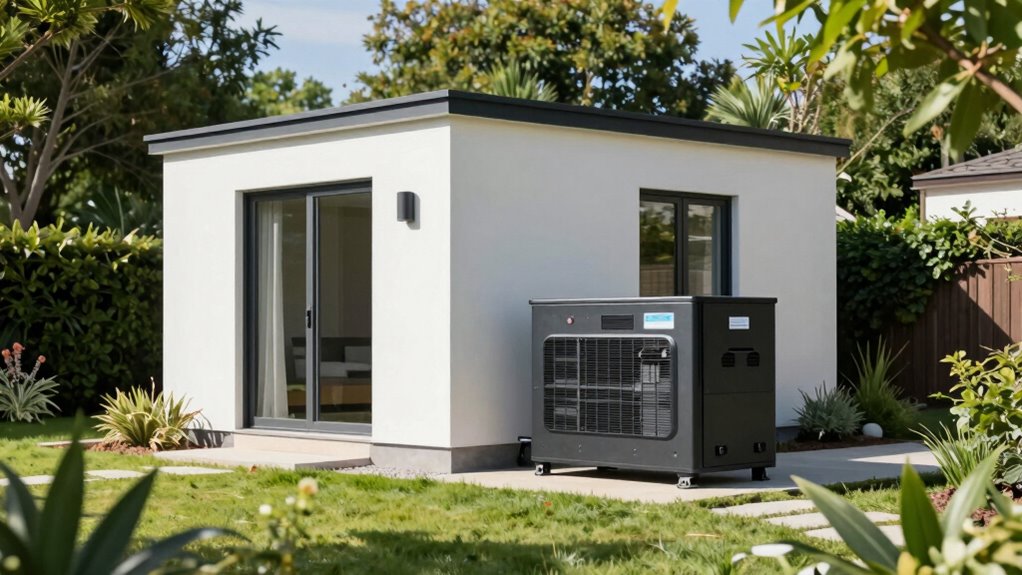
Smart technology also enables automatic transfer switches that detect outages and switch to backup power instantly, without requiring manual intervention. This seamless shift minimizes disruptions and keeps your essential appliances running smoothly. When choosing a whole-home backup for a compact house, prioritize systems that integrate renewable sources with intelligent controls. This combination maximizes energy independence while optimizing performance based on your household’s needs and the available renewable resources. For example, some systems automatically adjust energy consumption based on solar production or battery charge levels, ensuring you make the most of renewable integration without overloading your system. Additionally, understanding energy storage options can help you select the most suitable components for your space and needs, especially as advancements in energy storage continue to evolve. Staying informed about system scalability options can also ensure your backup solution remains effective as your household’s energy requirements grow. Incorporating weather-resistant components can further enhance your system’s durability in harsh climate conditions.
Another important aspect is the size and scalability of your backup system. Compact homes benefit from modular solutions that can grow with your needs or be tailored to your space constraints. Look for flexible options that allow easy expansion of storage capacity or added renewable input, so your system remains efficient and future-proof. Moreover, selecting components with durability and weather resistance is crucial in maintaining long-term system reliability, especially if you live in an area prone to frequent outages or harsh weather.
Ultimately, the most effective whole-home backup for a small house combines renewable integration with smart technology to provide reliable, eco-friendly, and convenient power. By investing in such systems, you assure your home stays comfortable and functional, no matter what the grid throws your way. This approach not only safeguards your daily life but also aligns with a sustainable lifestyle that values innovation and efficiency.
solar panel backup system for small homes
As an affiliate, we earn on qualifying purchases.
As an affiliate, we earn on qualifying purchases.
Frequently Asked Questions
How Much Does a Whole-Home Backup System Typically Cost?
A whole-home backup system typically costs between $10,000 and $20,000, depending on your home’s size and power needs. You’re investing in emergency preparedness and power outage planning, ensuring continuous power during outages. Keep in mind installation costs and potential maintenance. This investment offers peace of mind, protecting your home and loved ones during unexpected power failures. It’s a vital step in thorough emergency preparedness.
Can I Install a Backup System Myself or Need Professional Help?
You can attempt DIY installation if you have electrical skills, but for safety and proper setup, professional assistance is strongly advised. Whole-home backup systems involve complex wiring and integration with your existing electrical system, which can be risky without proper knowledge. Hiring a licensed electrician ensures the system is installed correctly, safely, and complies with local codes, giving you peace of mind during power outages.
How Often Should I Test My Backup System’s Functionality?
You should test your backup system at least once every three to six months to guarantee battery longevity and system compatibility. Regular testing helps identify potential issues early, so your system stays reliable during an outage. During these tests, verify that the batteries hold a charge and that all components work seamlessly together. By maintaining this schedule, you ensure your backup system functions correctly when you need it most.
What Maintenance Is Required for Backup Batteries?
You should regularly inspect your backup batteries to guarantee they’re in good condition. Follow a maintenance checklist that includes checking for corrosion, ensuring secure connections, and testing the battery’s voltage. Keep in mind that battery lifespan varies, so replace them as recommended by the manufacturer. Proper maintenance helps extend battery life and guarantees reliable backup power when needed. Schedule these checks at least twice a year for peak performance.
Are Portable Backup Options Suitable for Compact Houses?
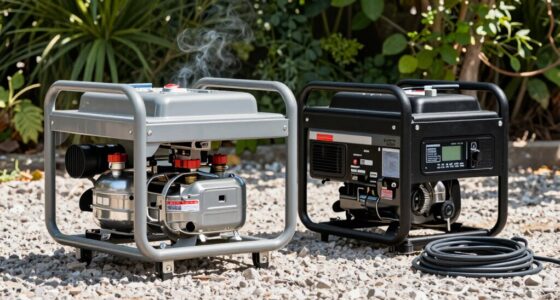
Yes, portable backup options can work well for compact houses, especially when space is limited. Portable solutions offer flexibility and easy deployment, making them suitable for smaller homes. They also support space optimization, as you can store or move them as needed. However, consider your power needs to guarantee the portable backup provides enough capacity. Overall, they’re a practical, space-saving choice for backup power in compact living spaces.
Conclusion
In compact homes, a whole-home backup system isn’t just a luxury—it’s a necessity. By prioritizing reliable power sources, you guarantee safety, comfort, and peace of mind during outages. Think of it as a rhythm that keeps your home’s heart beating steady, no matter what. When you invest in the right backup solutions, you create a resilient space that adapts seamlessly to life’s unpredictable moments. Ultimately, it’s about safeguarding what matters most—your home and your peace of mind.
Fall Picks
fall essentials
As an affiliate, we earn on qualifying purchases.