
TL;DR

Get compact home essentials delivered free — and shop member deals
- Fast, free delivery on millions of items
- Access to Prime Big Deal Days deals on October 6–7
- Prime Video, Amazon Music and more included
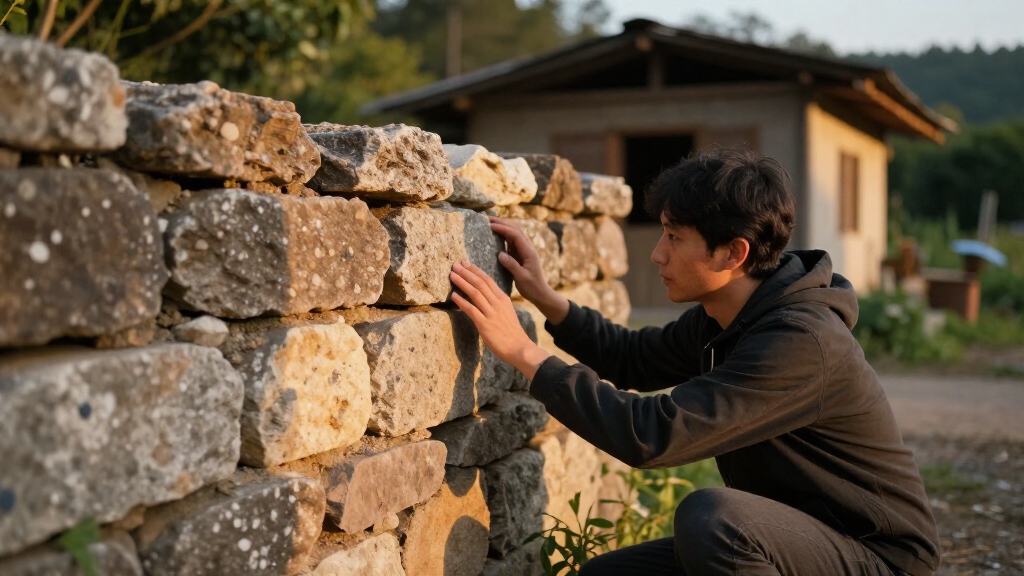
Materials used in ancient construction, such as Roman concrete and Egyptian bricks, continue to withstand the test of time. Researchers analyze these materials to understand their durability and potential applications today.
Building materials from thousands of years ago, including Roman concrete and Egyptian bricks, are still standing today, demonstrating remarkable durability. This enduring strength is attracting renewed scientific interest as researchers seek to understand the properties that have allowed these materials to survive for centuries, which could inform modern construction practices.
Recent studies have confirmed that certain ancient construction materials, particularly Roman concrete, possess unique chemical compositions that contribute to their longevity. For example, Roman concrete contains volcanic ash, which reacts with seawater to form resilient compounds, making it highly durable in marine environments. Similarly, ancient Egyptian mud bricks have endured thousands of years due to their specific clay composition and firing techniques. Experts suggest that understanding these materials’ composition and formation processes could help develop more sustainable and long-lasting modern building materials. While these findings are well-supported by archaeological and scientific research, some claims about the full potential of ancient materials for modern use remain under investigation. Researchers are also examining how environmental factors influence the longevity of these materials over time.Implications for Modern Construction and Sustainability
The durability of ancient building materials offers valuable insights into creating more sustainable and resilient structures today. By studying these materials, engineers may develop new composites that mimic their longevity, reducing the need for frequent repairs and replacements. This knowledge could significantly lower the environmental impact of construction by decreasing resource consumption and waste. Additionally, understanding the chemical stability of ancient materials might lead to innovations in marine and infrastructure projects, where long-lasting durability is crucial. The research underscores the importance of looking to historical practices for solutions to contemporary engineering challenges and sustainability goals.As an affiliate, we earn on qualifying purchases.
Historical Use and Scientific Study of Ancient Building Materials
Ancient civilizations such as the Romans, Egyptians, and Greeks developed construction materials that have endured for millennia. Roman concrete, or ‘opus caementicium,’ was used in iconic structures like the Pantheon and aqueducts, showcasing its durability. Recent scientific analyses, including chemical and mineralogical studies, have identified volcanic ash and specific mineral phases as key to its longevity. Egyptian mud bricks, employed in pyramids and temples, have survived due to their clay composition and firing methods. Over the past decade, advances in material science have enabled researchers to better understand the composition and formation processes of these ancient materials, leading to renewed interest in their potential applications today.“The survival of Egyptian mud bricks for thousands of years demonstrates the effectiveness of their clay and firing techniques, offering lessons for sustainable building practices.”
— Professor James Carter, archaeologist specializing in ancient construction
Unresolved Questions About Ancient Material Applications
While scientists understand some chemical processes behind the durability of ancient materials, it remains unclear how these can be reliably replicated at scale for modern construction. The long-term environmental impacts and economic feasibility of using such ancient-inspired materials in contemporary projects are still under investigation. Additionally, there is ongoing debate about how environmental factors like pollution or climate change might affect the longevity of these materials if used today.Future Research and Potential Modern Uses of Ancient Materials
Researchers plan to conduct further experiments to replicate ancient materials’ properties in laboratory settings, aiming to develop new, sustainable building composites. Pilot projects may test these materials in real-world environments, such as marine or earthquake-prone areas. Policy discussions and industry collaborations are expected to explore how these insights can influence building codes and construction standards in the coming years. The ongoing research aims to bridge historical knowledge with modern engineering to create more resilient infrastructure.Key Questions
Why do ancient building materials like Roman concrete last so long?
Ancient materials like Roman concrete contain volcanic ash and other minerals that chemically react over time, forming resilient compounds that strengthen the structure. These reactions make the materials highly resistant to environmental degradation, especially in marine environments.
Can ancient building techniques be applied to modern construction?
Scientists are studying these techniques to understand how they contribute to durability. While direct application at scale is still under research, the insights gained could lead to the development of new, long-lasting, and sustainable construction materials.
Are there environmental benefits to using ancient-inspired materials today?
Yes, if these materials can be produced sustainably, they could reduce resource consumption and extend the lifespan of structures, decreasing the need for repairs and replacements, which benefits the environment.
What challenges remain in replicating ancient materials?
Challenges include scaling production, ensuring consistent quality, understanding long-term environmental impacts, and making these materials cost-effective for widespread use.
Will ancient materials be used in future construction projects?
It is possible, especially as research advances. Pilot projects and collaborations between scientists and industry stakeholders will determine how quickly these materials can be integrated into mainstream construction.
Source: rss
Halloween Picks
halloween
As an affiliate, we earn on qualifying purchases.