Choosing the best suspension culture plates depends on your specific lab needs, sample volume, and budget. The CellStar 12-Well Polystyrene Plate stands out as the best overall for its durability and ease of use, while the Costar Cell Culture Plates offer excellent value for high-volume labs. For those starting out, the 6 Well Non-Treated Sterile Plate provides simplicity and affordability, though it may lack some features of premium options. The main tradeoffs often involve balancing cost against features like well configuration, surface treatment, and sterility. Keep reading for the full breakdown of these top picks and how to choose the right suspension culture plate for your requirements.
Key Takeaways
- Well configuration (6, 12, 48 wells) significantly influences sample volume and experimental scale.
- Surface treatment (TC treated vs. non-treated) impacts cell attachment and growth, affecting experiment outcomes.
- Sterility and packaging are critical for contamination prevention, especially in sensitive cultures.
- Cost per plate varies widely, with larger packs often offering better value but less flexibility for small labs.
- Durability and lid design can reduce handling errors and contamination risks, especially in suspension cultures.
| 24 Well Non-Treated Sterile Flat Tissue Culture Plate with Lid (50/Case) |  | Best for High-Throughput Suspension Cell Cultures | Number of Wells: 24 | Material: Polystyrene | Sterilization Method: Gamma radiation | VIEW LATEST PRICE | See Our Full Breakdown |
| Costar Cell Culture Plates (50 per case) |  | Best for Cell Attachment and Conventional Cultures | Quantity: 50 plates per case | Type: Tissue culture-treated plates | Application: Cell attachment | VIEW LATEST PRICE | See Our Full Breakdown |
| 12-Well Tissue Culture Plate – Pack of 10 with Lid, Flat Bottom Wells |  | Best for Observation and Small-Scale Experiments | Material: Polystyrene | Number of Pieces: 10 | Well Capacity: 6.9ml per well | VIEW LATEST PRICE | See Our Full Breakdown |
| CellStar 12-Well Polystyrene Suspension Culture Plate with Lid, Sterile, Flat Bottom, Chimney Style (Pack of 100) |  | Best for Suspension Cultures with Gas Exchange Needs | Material: Polystyrene | Number of Wells: 12 | Sterility: Sterile | VIEW LATEST PRICE | See Our Full Breakdown |
| 48 Well Non-Treated Sterile Flat Tissue Culture Plate with Lid (50/Case) |  | Best for Suspension Cultures Needing High Well Density | Number of Wells: 48 | Material: Polystyrene | Sterilization: Gamma radiation | VIEW LATEST PRICE | See Our Full Breakdown |
| Celltreat 229106 6 Well Tissue Culture Plate with Lid, Sterile, 9.60cm² Cell Growth Area |  | Best for Reliable Sterility and Clear Identification | Number of Wells: 6 | Cell Growth Area: 9.60 cm² per well | Sterility: Gamma irradiated | VIEW LATEST PRICE | See Our Full Breakdown |
| Cellstar Cell Culture Multiwell Plate with Lid, 6 Well, Sterile, TC Treated, Flat Bottom, Chimney Style, Pack of 100 |  | Best for Automated and Hybridoma Cell Cultures | Number of Wells: 6 | Max Volume per Well: 16 ml | Material: Sterile plastic | VIEW LATEST PRICE | See Our Full Breakdown |
| 6 Well Culture Plate with Lid – Pack of 10 |  | Best for Easy Handling and Visual Monitoring | Material: High-quality PS (Polystyrene) | Number of Wells: 6 per plate | Package Quantity: 10 plates | VIEW LATEST PRICE | See Our Full Breakdown |
| 6 Well Non-Treated Sterile Flat Tissue Culture Plate with Lid (50/Case) |  | Best for Suspension Cell Growth on a Budget | Number of Wells: 6 | Well Volume: 17 ml | Material: Polystyrene | VIEW LATEST PRICE | See Our Full Breakdown |
| Diamond SureGro Multiple Well Plate, 48 Well, Flat Bottom, Sterile, Individually Wrapped |  | Best for Versatile High-Throughput Applications | Number of Wells: 48 | Well Shape: Flat Bottom | Surface Treatment: Non-Treated | VIEW LATEST PRICE | See Our Full Breakdown |
More Details on Our Top Picks
24 Well Non-Treated Sterile Flat Tissue Culture Plate with Lid (50/Case)
This plate excels in high-throughput suspension experiments thanks to its 24 wells and non-treated surface, which minimizes cell adherence and simplifies cell suspension procedures. Compared to the 12-well options like the CellStar 12-Well Plate, it offers more wells per plate, making it ideal for large-scale studies. However, the non-treated surface limits its use for adherent cell cultures, and its single-use design means it isn’t suitable for reuse. The gamma radiation sterilization guarantees immediate, contamination-free use, and the serrated gripping panels improve handling. This pick is perfect for labs focused on suspension cell growth where throughput and sterility are priorities. It’s less suited for projects that require adherent cell culture or multiple reuses.Pros:- Sterilized and ready to use immediately, saving prep time
- High well count supports high-throughput workflows
- Secure handling with serrated gripping panels
Cons:- Non-treated surface isn’t suitable for adherent cell cultures
- Limited to single-use applications, lacking reusability options
Best for: Researchers conducting large-scale suspension cell culture experiments needing high well density and sterile handling.
Not ideal for: Labs working with adherent cells or seeking reusable, non-disposable plates, as the surface isn’t optimized for attachment and reusability is not indicated.
- Number of Wells:24
- Material:Polystyrene
- Sterilization Method:Gamma radiation
- Capacity per Well:3.5 ml
- Package Quantity:50 plates with lids
Bottom line: This plate is ideal for labs prioritizing high-throughput suspension cell culture with a focus on sterility and ease of handling.
Costar Cell Culture Plates (50 per case)
The Costar plates are designed for adherent cell culture, offering tissue culture treatment that promotes cell attachment. Compared to suspension-specific options like the CellStar Suspension Plate, these are less suited for suspension cultures but excel where cell adherence is necessary. The lack of specific well format details makes it less clear whether they support high-throughput needs, but their tissue-treated surface ensures reliable cell attachment. They are a good choice for routine adherent cultures requiring standard labware, especially when cost-effectiveness is a concern. However, they are not ideal for suspension applications or experiments requiring high well density.Pros:- Excellent for adherent cell attachment and growth
- Pack of 50 provides good value for routine lab use
- Designed specifically for standard cell culture protocols
Cons:- Limited information on well format or capacity for high-throughput needs
- No details on material specifications or reusability
Best for: Researchers working with adherent cell cultures needing reliable attachment and standard tissue culture conditions.
Not ideal for: Labs focused on suspension cell culture or high-density screening, as these plates are optimized for attachment, not suspension growth.
- Quantity:50 plates per case
- Type:Tissue culture-treated plates
- Application:Cell attachment
Bottom line: This product suits labs focused on adherent cell culture, prioritizing attachment and routine use over high-throughput suspension applications.
12-Well Tissue Culture Plate – Pack of 10 with Lid, Flat Bottom Wells
The 12-well plates stand out for their high transparency, making them ideal for microscopy and visual monitoring of cell growth. Compared to larger well plates like the 48-well options, they offer more precise observation but less capacity for large-scale experiments. The vented lids help control evaporation, which is critical in longer cultures, though some users report variability in quality, especially with the plastic’s clarity. These plates are well-suited for small studies or detailed imaging, but their limited well number per plate makes them less practical for high-throughput screening. They strike a balance between observation clarity and manageable size.Pros:- High transparency enables easy observation and imaging
- Vented lids reduce evaporation and condensation
- Made from durable, optical-grade polystyrene
Cons:- Limited well capacity per plate restricts large-scale use
- Some reports of variability in quality could affect consistency
Best for: Scientists needing detailed observation of cell growth in small-scale experiments or imaging studies.
Not ideal for: High-throughput screening or bulk suspension cultures, as the smaller well format limits capacity.
- Material:Polystyrene
- Number of Pieces:10
- Well Capacity:6.9ml per well
- Single Well Capacity:15.9ml
- Sterilization:Gamma irradiated
- Plate Size:12.5cm x 8.5cm x 23cm
Bottom line: This plate is best suited for detailed observation and small-scale experiments requiring high optical clarity.
CellStar 12-Well Polystyrene Suspension Culture Plate with Lid, Sterile, Flat Bottom, Chimney Style (Pack of 100)
This plate is tailored for suspension cell culture, featuring a chimney-style lid that facilitates gas exchange and minimizes evaporation. Compared to the 12-well tissue culture plates intended for adherent cells, this model’s gas-permeable design supports better oxygen transfer, which is vital for suspension cells. Its high clarity and low auto-fluorescence are advantageous for imaging or fluorescence assays. The large pack size makes it suitable for extensive experiments, but the design limits flexibility to suspension applications only. It’s less suitable for adherent cell work or experiments requiring reusable plates, but ideal for high-volume suspension cultures needing efficient gas exchange.Pros:- Sterile and free of DNase, RNase, and human DNA for sensitive applications
- High clarity with low auto-fluorescence enhances imaging
- Chimney-style lid supports gas exchange and reduces evaporation
Cons:- Designed specifically for suspension, not suitable for adherent cultures
- Lid style limits flexibility in handling and experimental setups
Best for: Labs conducting large-scale suspension cell cultures that require efficient gas exchange and minimal evaporation.
Not ideal for: Researchers working with adherent cells or seeking reusable plates, as this is specifically engineered for suspension culture.
- Material:Polystyrene
- Number of Wells:12
- Sterility:Sterile
- Lid Type:Chimney Style
- Bottom Shape:Flat
- Pack Size:100
Bottom line: This suspension-specific plate is best for high-volume cell cultures requiring excellent gas exchange and minimal evaporation.
48 Well Non-Treated Sterile Flat Tissue Culture Plate with Lid (50/Case)
The 48-well plate offers a high well density in a non-treated format, making it suitable for suspension cell cultures where multiple conditions or replicates are tested simultaneously. Compared with the 24-well plate, it doubles the number of wells, increasing throughput but with smaller well capacity—1.55 ml per well. The gamma irradiation sterilization ensures immediate and contamination-free use, and the included lids facilitate secure handling. Its non-treated surface limits use for adherent cells, focusing it on suspension applications. This model is ideal for experiments demanding many parallel cultures but less so when larger well volumes are needed or for adherent cell work.Pros:- Sterile and ready for immediate use, reducing prep time
- High well density supports multiple conditions simultaneously
- Includes secure lids for handling and transport
Cons:- Limited to suspension culture applications due to non-treated surface
- Small well capacity may restrict certain experimental protocols
Best for: Researchers performing multiple parallel suspension cultures or small-volume experiments requiring high well density.
Not ideal for: Projects involving adherent cells or cultures needing larger well capacities, as the small volume per well may be limiting.
- Number of Wells:48
- Material:Polystyrene
- Sterilization:Gamma radiation
- Capacity per Well:1.55 ml
- Includes:Lid
- Quantity:50 per case
Bottom line: This plate is suitable for high-throughput suspension culture experiments where well density outweighs volume capacity.
Celltreat 229106 6 Well Tissue Culture Plate with Lid, Sterile, 9.60cm² Cell Growth Area
This sterile 6-well plate excels in environments where safety and clarity are priorities. Its gamma irradiation ensures sterility, making it suitable for sensitive cell culture experiments. Compared to the Cellstar Cell Culture Multiwell Plate, it lacks the advanced surface treatment but offers labeled wells for easy identification, which is beneficial for experiments requiring precise well tracking. The raised rims help reduce evaporation and cross-contamination, yet the fixed 6-well format limits high-throughput flexibility. Its bulk packaging is more suited to larger labs rather than small-scale use, and the absence of detailed well dimensions could be a drawback for precise volume calculations.
Pros:- Gamma irradiated for high sterility assurance
- Labeled wells facilitate tracking and identification
- Raised rims reduce evaporation and cross-contamination
Cons:- Limited to 6 wells per plate, restricting throughput
- No detailed well dimensions may impede precise volume planning
Best for: Labs needing safe, sterile plates with clear labeling for cell growth experiments.
Not ideal for: Small research groups or individual researchers who prefer smaller pack sizes or higher well counts per plate.
- Number of Wells:6
- Cell Growth Area:9.60 cm² per well
- Sterility:Gamma irradiated
- Lid Type:Stacking lid
- Labeling:Alpha-numeric markings
- Package Quantity:Case of 100
Bottom line: This plate is ideal for labs prioritizing safety and clear sample identification over high-well counts or advanced surface treatments.
Cellstar Cell Culture Multiwell Plate with Lid, 6 Well, Sterile, TC Treated, Flat Bottom, Chimney Style, Pack of 100
This 6-well plate stands out for its TC-treated hydrophobic surface, making it well-suited for suspension and hybridoma cell cultures. Compared to the Diamond SureGro 48 Well Plate, which offers more wells but less surface treatment, this option is tailored for experiments requiring surface modification. Its compatibility with automated systems and standard lab equipment streamlines workflows, but the bulk weight of 13 pounds and the 100-pack size may be cumbersome for small labs. The chimney-style lid helps prevent cross-contamination, yet the specific focus on suspension cultures means it’s less versatile for adherent cell work.
Pros:- TC-treated surface enhances suspension and hybridoma cell growth
- Hydrophobic surface minimizes cell attachment issues
- Compatible with automated systems and standard lab instruments
- Includes lids to prevent cross-contamination
Cons:- Heavy weight may be difficult to handle in some settings
- Bulk packaging could be excessive for small-scale labs
- Limited to specific cell culture applications
Best for: Research facilities running suspension cultures or hybridoma experiments needing automation compatibility.
Not ideal for: Small labs or those working primarily with adherent cells, as the surface treatment is optimized for suspension cultures.
- Number of Wells:6
- Max Volume per Well:16 ml
- Material:Sterile plastic
- Surface Treatment:TC Treated
- Bottom Type:Flat
- Package Quantity:100
Bottom line: This plate makes the most sense for high-throughput suspension cell work in automated or hybridoma-focused labs.
6 Well Culture Plate with Lid – Pack of 10
This set of 10 high-quality, transparent plates offers a user-friendly design with individually packaged plates for convenience. Its specially treated surface supports tissue culture, and the condensation ring helps prevent evaporation during longer experiments. Compared with the Celltreat 6 Well Plate, which emphasizes labeling and evaporation control, this product focuses on ease of handling and clear observation through its transparent material. The individual packaging with digital codes simplifies tracking, but the beveled corners might not be as intuitive for some users. Suitable for tissue culture and lab work where visual monitoring is essential, yet not designed for clinical or high-throughput settings.
Pros:- Transparent material for clear observation
- Individually packaged for convenience
- Specially treated surface supports tissue culture
- Effective condensation ring minimizes evaporation
Cons:- Limited to laboratory and tissue culture use, not clinical
- Corner design may be less ergonomic for some users
Best for: Laboratories requiring multiple plates with easy tracking and excellent visual access.
Not ideal for: High-volume or automated workflows where bulk, standardized packaging is preferred.
- Material:High-quality PS (Polystyrene)
- Number of Wells:6 per plate
- Package Quantity:10 plates
- Lid:Yes, with condensation ring
- Sterilization:Gamma ray sterilized
Bottom line: This pick suits labs that value observation clarity and individual packaging for multiple experiments or projects.
6 Well Non-Treated Sterile Flat Tissue Culture Plate with Lid (50/Case)
This sterile 6-well plate, with a flat bottom and lid, offers a reliable option for suspension cell cultures. Its non-treated surface means it might require additional coating for adherent cells but performs well for suspension-based experiments. Compared with the Celltreat 6 Well Plate, it lacks surface treatments but provides a straightforward, cost-effective solution for labs focusing on suspension cultures. The flat bottom enhances growth conditions, yet the non-treated surface limits versatility for adherent cell work. Bulk packaging makes it suitable for larger labs, though small labs might find the volume excessive for their needs.
Pros:- Sterile and ready to use
- Flat bottom ideal for suspension cell growth
- Includes lid and retention ring for secure handling
Cons:- Non-treated surface limits adherence applications
- Limited to 6 wells per plate, restricting throughput
Best for: Labs working primarily with suspension cells seeking an economical, sterile option.
Not ideal for: Research groups needing adherent cell culture support or smaller quantities.
- Number of Wells:6
- Well Volume:17 ml
- Material:Polystyrene
- Sterilization:Gamma radiation
- Package Dimensions:22.6 x 11.2 x 8 inches
- Item Weight:8.78 pounds
Bottom line: This plate provides a solid, low-cost choice for suspension cell cultures in larger laboratory settings.
Diamond SureGro Multiple Well Plate, 48 Well, Flat Bottom, Sterile, Individually Wrapped
The Diamond SureGro 48-well plate excels in high-throughput settings where flexibility and safety are priorities. Its non-treated surface makes it compatible with various cell types and assay conditions, although additional coating might be necessary for cell adherence. Compared with the Cellstar 6 Well Plate, it offers significantly higher well density, ideal for screening or multiplex assays, but the non-treated surface reduces its suitability for adherent cultures without extra coating. Individually wrapped for safety and convenience, the high-quality sterile construction is suited to cleanroom environments, yet the absence of specific well volume data could pose challenges for precise experimental planning.
Pros:- High well density supports multiplex experiments
- Sterile, individually wrapped for safety and convenience
- Non-treated surface offers flexibility for different assays
- Raised rims and advanced lids reduce evaporation
Cons:- May require additional coating for cell adherence
- Limited details on specific well volume capacity
- Non-treated surface not suitable for adherent cell cultures without modification
Best for: High-throughput screening labs needing large numbers of versatile, sterile plates with individual packaging.
Not ideal for: Small-scale or single-sample labs that do not require high well counts or do not need sterile, individually wrapped plates.
- Number of Wells:48
- Well Shape:Flat Bottom
- Surface Treatment:Non-Treated
- Sterility:Sterile, irradiated to SAL 10-6
- Material:Virgin USP Class VI polystyrene
- Packaging:50 plates per box, individually wrapped
Bottom line: This plate is best suited for high-throughput, versatile applications in sterile environments, with some extra preparation needed for adherent cells.
How We Picked
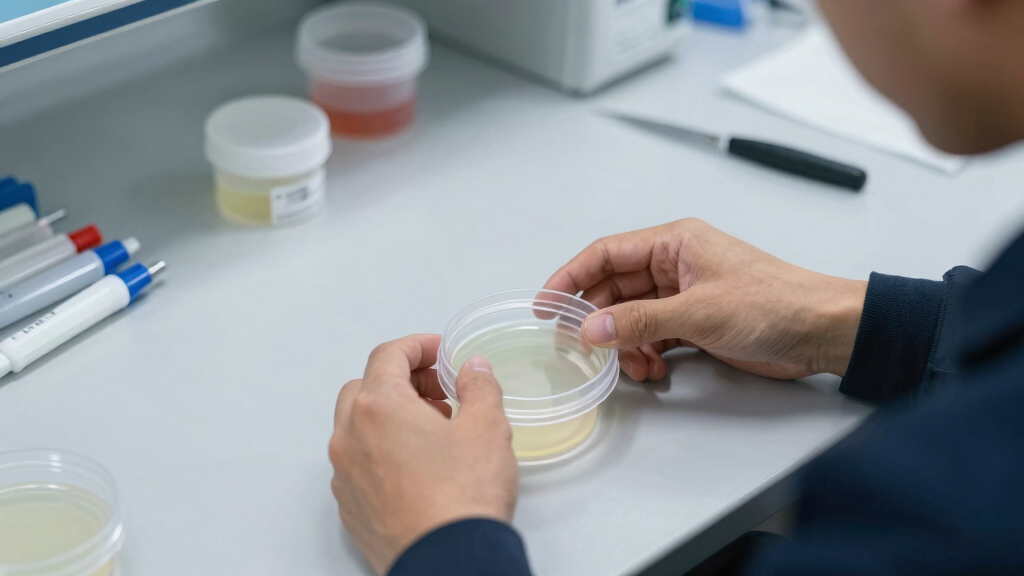
These suspension culture plates were evaluated based on performance, build quality, ease of use, sterility, and value. I compared features like well number, surface treatment, and packaging options, paying particular attention to how each aspect affects cell growth and handling. Price was also a factor, especially considering whether larger packs provide better long-term value for busy labs. The ranking reflects a balance between versatility, durability, and affordability, aiming to guide different types of users—from researchers with limited budgets to high-throughput labs seeking premium quality.Factors to Consider When Choosing Best Suspension Culture Plates
Choosing the best suspension culture plate involves considering several key factors that influence experimental success and operational efficiency. Beyond basic features, understanding how each aspect impacts your workflow can help prevent costly mistakes. Here are the main considerations to keep in mind when selecting the right plate for your lab.Well Configuration and Size
The number of wells and their size directly affect your sample volume and experimental scale. Smaller formats like 6-well plates are more suitable for pilot studies or limited samples, while 48-well plates optimize throughput for larger experiments. Think about your typical sample size and whether you need flexibility in scaling up or down, as this influences both cost and convenience.
Surface Treatment and Material
Surface treatment determines how well cells attach and grow in suspension, especially for adherent cell experiments. TC treated surfaces facilitate attachment, which is essential for certain applications, while non-treated plates are better suited for suspension cultures that don’t require cell adhesion. Material quality also affects durability and chemical resistance, which are critical for consistent results.
Sterility and Packaging
Maintaining sterility is non-negotiable in cell culture. Look for plates that come sterile and individually wrapped if possible, to reduce contamination risks. Reusable options are available but require proper sterilization, adding complexity and cost. For most labs, pre-sterilized, single-use plates simplify workflows and ensure sample integrity.
Cost and Value
Price varies with pack size, surface treatment, and brand. Larger packs often have a lower cost per plate but may be unnecessary if your sample volume is low. Conversely, buying in bulk suits high-throughput environments, but smaller packs offer flexibility for smaller labs or initial testing phases. Balance your budget with your needs for scalability and convenience.
Lid Design and Handling
Well-designed lids help prevent contamination and evaporation, especially during long-term cultures. Chimney-style lids or vented designs improve gas exchange, which is crucial for suspension cultures. Consider how easy it is to handle and secure the lids, as this impacts both workflow efficiency and sample safety.
Durability and Compatibility
Look for plates made from durable, chemical-resistant plastics that withstand sterilization and repeated handling. Compatibility with your incubator and automation equipment also matters—some plates are designed for robotic handling or stacking, reducing manual labor and error. Investing in robust plates reduces the need for frequent replacements.
Frequently Asked Questions
Can I use non-treated plates for suspension cell cultures?
Yes, non-treated plates are often suitable for suspension cultures since they do not promote cell attachment. This makes them ideal for experiments where cells need to grow freely in the medium. However, ensure that the surface’s chemical inertness aligns with your specific cell type’s requirements, and consider surface coating options if adhesion becomes necessary later.
What is the main difference between TC treated and non-treated plates?
TC treated plates have a surface designed to promote cell attachment, which is essential for adherent cell cultures. Non-treated plates lack this surface modification, making them better suited for suspension cultures or experiments where cell attachment is undesirable. Choosing the right surface treatment can significantly influence your outcomes and workflow efficiency.
Are larger packs always better value for suspension plates?
Not necessarily. Larger packs reduce the cost per plate, making them attractive for high-volume labs, but they can lead to excess unused plates if your sample size is small. Smaller packs or individual plates offer more flexibility for pilot studies or limited experiments. Consider your typical usage and storage capacity before committing to bulk purchases.
How important is the lid design for suspension culture plates?
Lid design is crucial for maintaining sterility and proper gas exchange. Well-designed lids prevent contamination and evaporation during long incubations, especially in suspension cultures where gas exchange impacts cell health. Vented or chimney-style lids are often preferred for their balance of protection and aeration, enhancing experimental reliability.
Can these plates be used in automated systems?
Many suspension culture plates are compatible with robotic handling and automated incubators, especially those with standard dimensions and stackable designs. Check the product specifications for compatibility details, as not all plates are suited for automation. Using automation-compatible plates can improve throughput and consistency in busy laboratories.
Conclusion
For general laboratory use, the CellStar 12-Well Polystyrene Suspension Culture Plate offers a balanced mix of durability, ease of handling, and performance, making it the best overall choice. High-volume labs seeking cost efficiency will benefit from the Costar Cell Culture Plates or the Cellstar Multiwell Plate. Beginners or smaller labs might prefer the simplicity and affordability of the 6 Well Non-Treated Sterile Plate. For labs requiring premium features, such as enhanced gas exchange or advanced sterilization, specialized options like the Diamond SureGro 48 Well Plate are worth considering. Ultimately, your selection depends on your sample size, experimental needs, and budget constraints.