If you’re searching for the best purple perennial flowers to add lasting color and elegance to your garden, you’ve come to the right place. The overall standout is the Clovers Garden Purple Coneflower for its durability and vibrant blooms. For those seeking fragrant options, Live Lavender makes a perfect choice, while the Purple Dahlia Seeds offer a burst of dramatic color. Keep in mind that some varieties require specific growing conditions or regular maintenance, which can influence your choice. Continue reading for a detailed breakdown of these top options and which might suit your gardening style best.

Get compact home essentials delivered free with Prime
- Fast, free delivery on millions of items
- Prime Video, Amazon Music and more included
- Member-only deals all year
Key Takeaways
- Vibrant purple coneflowers dominate the list thanks to their resilience and easy care.
- Seeds offer affordability but often require more patience and space to flourish compared to live plants.
- Fragrant options like lavender appeal for sensory gardens but need well-drained soil and full sun.
- Ground covers and wildflower varieties provide low-maintenance, naturalistic options for larger landscapes.
- Tradeoffs often involve balancing initial cost, bloom size, maintenance needs, and growth speed.


| purple perennial flower | Quantity | Plant Type |
|---|---|---|
| Clovers Garden Purple Coneflow | 2 plants | — |
| 100PCS Purple Dahlia Flower Se | 100 pieces | Dahlia |
| Purple Alyssum Seeds for Plant | — | — |
| Live Lavender 2-Pack | 2-pack | Perennial Herb |
| Aubrieta Rock Cress Purple Flo | — | Perennial |
| 100+ Purple Daisy Flower Seeds | 1 Count | Perennial |
| 100PCS New England Aster Seeds | — | — |
| Seed Needs Purple Coneflower S | 1 packet | Perennial |
| Purple Flora Gladiolus Bulbs | 6 Pack | — |
| 600 New England Aster Heirloom | — | — |
| Purple Coneflower Seeds 1 OZ | — | — |
| 3800+ Fragrant Lavender Seeds | — | Perennial lavender |
More Details on Our Top Picks
Clovers Garden Purple Coneflower (Echinacea Purpurea) Plants – 2 Live Plants in 4″ Pots
This pair of healthy, non-GMO purple coneflowers is ideal for gardeners seeking long-lasting blooms that serve both aesthetic and herbal purposes. Compared to the Aubrieta rock cress, these plants offer larger, showier flowers that attract pollinators over a longer season, from mid-summer to first freeze. The tradeoff lies in their size—these plants need space to spread, making them less suited for small or container gardens. Their robust growth in zones 3 and warmer ensures dependable perennial performance in suitable climates, but they won’t thrive in very cold or shaded areas.
Pros:- Healthy, ready-to-grow plants in 4″ pots
- Long-lasting flowers ideal for cut arrangements and herbal use
- Grown in the Midwest with quality care
Cons:- Requires ample space to spread out in large gardens
- Seasonal bloom from mid-summer to first freeze
Best for: Gardeners wanting a durable, multi-use perennial with extended bloom time in larger garden beds
Not ideal for: Container gardeners with limited space or those in very cold zones below zone 3
- Quantity:2 plants
- Size:4″ to 8″ tall
- Pot Size:4 inches
- Grown In:Midwest
- Zone Compatibility:Zones 3 and warmer
- GMO:Non-GMO
- Neonicotinoids:Not used
Our verdict“This pick suits gardeners seeking a versatile, long-blooming perennial for spacious gardens with a focus on pollinators and herbal uses.”
100PCS Purple Dahlia Flower Seeds
This set of purple dahlia seeds offers quick sprouting and vibrant blossoms, making it ideal for gardeners who want impactful color in late summer and fall. Unlike the perennial coneflowers, dahlias are technically tender perennials in colder zones but are often treated as annuals elsewhere. Their rapid growth and large, showy flowers make them perfect for borders and cut flowers, but they require specific zone conditions—zones 8 and above—to survive as perennials, which limits their use in colder climates. The tradeoff is the need for more attentive care, including staking and deadheading, to keep the blooms looking their best.
Pros:- Easy to grow with quick sprouting
- Vivid purple flowers ideal for cut arrangements
- Suitable for both novice and experienced gardeners
Cons:- Not reliably perennial in colder zones
- Requires specific zone conditions and care
Best for: Home gardeners in warmer zones seeking fast, colorful blooms for borders and cut flowers
Not ideal for: Gardeners in zones below 8 or those looking for low-maintenance perennials
- Quantity:100 pieces
- Flower Color:Purple
- Plant Type:Dahlia
- Hardiness Zones:8 and higher (perennials), 7 and lower (annuals)
Our verdict“This choice fits those in warm zones wanting quick, striking purple flowers, but less so for cold-region perennial gardeners.”
Purple Alyssum Seeds for Planting – Survival Garden Seeds (1 Pack) | Sweet Royal Carpet Variety – Fragrant Perennial Flower & Ground Cover – Heirloom Non-GMO
These purple alyssum seeds produce fragrant, low-growing ground covers that attract pollinators like bees and butterflies, making them perfect for adding scent and color to borders or containers. Unlike larger perennials like coneflowers or asters, alyssum excels as a ground cover that naturally reseeds, providing continuous blooms with minimal effort. However, being frost-sensitive means they need protection in cooler climates, which limits their year-round use in colder zones. Their compact size makes them ideal for filling in spaces but not for creating tall floral displays.
Pros:- Fragrant blooms attract pollinators
- Easy to grow and self-seeding
- Long-lasting flowers that require minimal maintenance
Cons:- Frost-sensitive, may need winter protection
- Limited to cooler seasons in colder zones
Best for: Gardeners wanting a fragrant, easy-care ground cover that attracts pollinators in temperate zones
Not ideal for: Cold climate gardeners needing perennial plants that withstand frost without protection
- Variety:Sweet Royal Carpet
- Type:Perennial Flower & Ground Cover
- GMO:Non-GMO
- Seeds per Pack:1
Our verdict“This ground cover is perfect for adding fragrance and pollinator attraction in suitable climates, but less so where frost is heavy.”
Live Lavender 2-Pack – Purple – Fragrant Sun Perennial Herb, 10” Tall, 1 Pt Pot
This duo of lavender plants delivers fragrant purple blooms that attract pollinators and add aromatic appeal to any garden. Compared to the more sprawling coneflowers, lavender’s compact height of about 10 inches makes it suitable for smaller spaces and herb gardens. They thrive in full sun with well-drained soil, but require consistent watering after establishment. While they are perennials, lavender can be sensitive to winter conditions, so in colder zones, gardeners might need to provide winter protection or treat them as annuals. Their fragrance and pollinator benefits make them a favorite for sensory gardens.
Pros:- Fragrant purple blooms attract pollinators
- Compact size fits many garden styles
- Fresh, quality plants ideal for sensory gardens
Cons:- Requires full sun and well-drained soil
- Needs regular watering after established
Best for: Herb gardeners and those seeking fragrant, pollinator-friendly plants in sunny locations
Not ideal for: Gardens with poor-draining soil or in very cold zones without winter protection
- Quantity:2-pack
- Color:Purple
- Plant Type:Perennial Herb
- Height:10 inches
- Pot Size:1 Pint
Our verdict“This pick suits herb enthusiasts and those in suitable climates seeking fragrant, pollinator-friendly plants with a compact form.”
Aubrieta Rock Cress Purple Flowering Ground Cover Seeds – Non-GMO Perennial
This seed pack of Aubrieta deltoidea produces dense, vibrant purple ground cover ideal for rocky or well-drained gardens. Its high germination rate and minimal water needs make it an excellent choice for low-maintenance landscapes, especially in zones 4-9. Unlike taller perennials such as coneflowers or asters, Aubrieta stays close to the ground, making it perfect for vertical surfaces, borders, or rock gardens. Its ability to attract pollinators and resist drought offers year-round color with little fuss, but it’s limited to regions within its hardiness zones and requires full sun for best performance.
Pros:- Vibrant purple flowers create attractive ground cover
- Thrives in rocky, well-drained soils with minimal water
- Attracts pollinators and requires little maintenance
Cons:- Limited to USDA zones 4-9
- Requires full sun for optimal growth
- Expected to grow up to 2 feet, may need space to spread
Best for: Gardeners creating rock or border gardens in zones 4-9 seeking a hardy, low-maintenance purple ground cover
Not ideal for: Cold climates below zone 4 or gardeners needing taller plants with blooms extending above ground level
- Plant Type:Perennial
- Color:Purple
- USDA Hardiness Zone:4-9
- Expected Plant Height:Up to 2 feet
- Soil Type:Loam
- Sunlight Exposure:Full Sun
Our verdict“This seed offers a resilient, low-effort ground cover perfect for rocky gardens in temperate zones, but not suited for colder or taller plant needs.”
100+ Purple Daisy Flower Seeds – Tender Perennial for Garden and Outdoor Planting
This seed pack offers a vibrant splash of purple daisies that attract pollinators, making it an excellent choice for gardeners focused on supporting local ecosystems. Compared with the 600 New England Aster Seeds, these daisies are easier to grow in full sun but are more sensitive to cold, since they are tender perennials. While they thrive with moderate watering, they may not survive harsh winters without protection, which limits their suitability in colder climates. This option is ideal for gardeners wanting colorful, pollinator-friendly flowers in moderate climates.
Pros:- Attracts pollinators, supporting garden ecosystems
- Bright, cheerful purple daisies for summer blooms
- Suitable for outdoor planting in full sun
Cons:- Requires regular watering and attention
- Tender perennial may not survive cold winters
Best for: Gardeners seeking to boost pollinator activity and add vibrant color in temperate zones
Not ideal for: Regions with severe winters or gardeners preferring low-maintenance, hardy perennials
- Quantity:1 Count
- Color:Purple
- Plant Type:Perennial
- Usage:Indoor, Outdoor
- Sunlight Exposure:Full Sun
- Moisture Needs:Moderate Watering
Our verdict“This seed pack works best for gardeners in milder climates who want a colorful, pollinator-friendly addition to their garden.”
100PCS New England Aster Seeds Purple Perennial Flower Seeds Heirloom
This heirloom seed set produces late-season purple asters that bring color to fall landscapes and attract butterflies, making it perfect for naturalistic gardens. Compared with the Purple Flora Gladiolus Bulbs, asters provide a long-lasting bloom that extends into late fall, though they take longer to establish and bloom. These seeds are easy to scatter and require consistent moisture, which is simpler than managing bulb planting. This pick makes the most sense for gardeners who want a resilient, pollinator-friendly perennial that blooms in the cooler months.
Pros:- Easy to grow from scatter seeds
- Drought tolerant and perennial
- Attracts butterflies and beneficial insects
Cons:- Seeds may take 7-21 days to germinate
- Limited information on plant height or bloom size
Best for: Gardeners interested in wildflower meadows, pollinators, and fall color
Not ideal for: Those seeking instant color or low-maintenance, quick-blooming plants
- Usage:Outdoor
- Special Features:Drought Tolerant
- Item Weight:3 g
- Unit Count:100
- Materials & Care:Heirloom
Our verdict“Ideal for naturalistic, pollinator-friendly landscapes that flourish in late summer and fall.”
Seed Needs Purple Coneflower Seeds – Echinacea Flowers, 1 Pack
This seed packet produces the classic purple coneflower, a perennial beloved for its nectar-rich blooms that draw bees and butterflies. Compared to the 100+ Purple Daisy Seeds, coneflowers grow taller (24-36 inches) and are more tolerant of a range of soil conditions, making them more adaptable for varied garden setups. Proper sowing is vital for good germination, and growth can vary based on climate, meaning some patience may be required. This choice is best for gardeners seeking a reliable, perennial flower with broad pollinator appeal.
Pros:- Attracts bees and butterflies
- Returns year after year
- Detailed sowing instructions included
Cons:- Requires proper sowing for best germination
- Growth may vary depending on climate
Best for: Gardeners wanting a perennial that supports pollinators and adapts to different garden conditions
Not ideal for: Beginners who prefer plants that are extremely easy and forgiving to grow
- Plant Type:Perennial
- Height:24-36 inches
- Quantity:1 packet
- Seed Type:Open pollinated, heirloom
- Packaging:Tear resistant, moisture resistant
Our verdict“This coneflower seed pack suits gardeners seeking a resilient, pollinator-friendly perennial with reliable annual return.”
Purple Flora Gladiolus Bulbs – Vibrant Blooms, Perennial, 6 Pack
This pack of gladiolus bulbs produces tall, deep purple flowers with multiple stems and up to 20 blooms per stem. Compared with seed-based options like the 100+ Purple Daisy Seeds, bulbs offer quicker gratification and more immediate color, but they require well-draining soil and protection in colder zones. Gladiolus are ideal for adding height and vibrancy to borders or containers, though they need to be lifted or mulched in winter climates. This makes sense for gardeners seeking quick, vibrant color with minimal fuss once established.
Pros:- Vibrant deep purple blooms
- Long-lasting flowers
- Easy to grow and maintain
Cons:- Requires well-draining soil
- Bulbs need winter protection in colder zones
Best for: Gardeners wanting instant impact with tall, colorful flowers in beds or containers
Not ideal for: Those preferring perennial plants that bloom year after year without yearly planting
- Quantity:6 Pack
- Color:Purple
- Type:Perennial Gladiolus Bulbs
- Bloom Color:Deep Purple
- Bloom Duration:Several weeks
- Growth Habit:Multiple stems per bulb
Our verdict“Perfect for gardeners seeking immediate, vibrant color with minimal ongoing effort once established.”
600 New England Aster Heirloom Flower Seeds, Purple Asters, Perennial Wildflower Seeds for Outdoors and Containers
This large seed pack of heirloom asters is designed for easy sowing and produces late-season purple blooms that attract pollinators well into fall. Compared to the Purple Coneflower Seeds, asters bloom later, providing extended color and food for pollinators during cooler months. They thrive in full or part sun but need regular watering and proper spacing, making them a good choice for gardeners with some experience. This seed set is ideal for those looking to create a garden that shines in fall and supports pollinators late in the season.
Pros:- Attracts bees and butterflies
- Long-lasting fall blooms
- High germination rate for easy success
Cons:- Requires specific spacing
- Needs regular watering and full sun
Best for: Gardeners wanting extended fall color and pollinator support in outdoor beds or containers
Not ideal for: Beginners or those in very dry or heavily shaded areas
- Germination Rate:High
- Planting Depth:Just under 1/8 inch
- Spacing:18-24 inches
- Bloom Time:Early to late fall
- Sunlight:Full sun or part sun
Our verdict“Suitable for gardeners aiming to extend their garden’s color palette into late fall with resilient, pollinator-friendly flowers.”
Purple Coneflower Seeds 1 OZ, Perennial Open Pollinated Non-GMO Echinacea Seeds Grown in the USA, Cone Flower Seed for Planting, USDA 3-9
This seed packet stands out for gardeners who value native plants that support local pollinators, especially bees and butterflies. Compared with the pre-grown Clovers Garden Purple Coneflower plants, these seeds offer a cost-effective way to establish a large, naturalized bed, but they demand patience and specific germination conditions. Their open pollination and non-GMO status appeal to organic gardeners seeking authentic, environmentally friendly options. The long flowering period makes them ideal for extended blooms in cooler climates, yet this can be a drawback for gardeners looking for quick color. Overall, this pick is perfect for those who prefer a hands-on, eco-conscious approach to perennial planting, accepting a longer wait for mature, pollinator-friendly flowers.
Pros:- Attracts pollinators like bees and butterflies, supporting local ecosystems
- Suitable for cold climates and USDA zones 3-9, extending planting options
- Offers high ornamental and medicinal value, versatile for various uses
Cons:- Requires specific planting and germination conditions, which may challenge beginners
- Long flowering period might not align with all garden schedules
Best for: Native plant enthusiasts and organic gardeners aiming to attract pollinators in USDA zones 3-9
Not ideal for: Gardeners seeking instant gratification or low-maintenance planting solutions
- Weight:1 OZ
- Type:Perennial
- Pollination:Open Pollinated
- GMO Status:Non-GMO
- Grown In:USA
- USDA Zones:3-9
Our verdict“This seed kit is ideal for eco-conscious gardeners willing to invest time in cultivating a native, pollinator-friendly perennial garden.”
3800+ Fragrant Lavender Seeds for Planting – Perennial Purple Flowers for Garden, Yard & Landscape
This lavender seed pack makes sense for gardeners aiming to create a fragrant, colorful landscape feature, especially if they want an abundant bloom display. Unlike the Purple Coneflower Seeds that focus more on pollinator support and medicinal uses, this option emphasizes scent and landscape impact, with over 3,800 seeds enabling extensive plantings. The plants are perennials that return yearly, providing long-term color and aroma, but establishing them requires proper care and patience, as growth time can vary. Their large seed quantity makes them cost-efficient for large beds or borders, though they demand well-drained soil and consistent watering during establishment. This choice is best suited for those prioritizing fragrance and landscape design over quick results or native plant appeal.
Pros:- Large seed quantity allows extensive planting, ideal for large landscapes
- Perennial plants return each year, reducing long-term replanting costs
- Produces beautiful, fragrant purple flowers that attract pollinators
Cons:- Requires proper planting technique and care to establish successfully
- Growth time varies depending on conditions, which could delay full bloom
Best for: Landscape designers and homeowners seeking large, fragrant perennial borders or yard accents
Not ideal for: Beginners or gardeners with limited space, since lavender requires specific care to thrive
- Seed Count:3800+ seeds
- Plant Type:Perennial lavender
- Flower Color:Purple
- Application:Garden, yard, landscape, borders
Our verdict“This lavender seed set is perfect for gardeners aiming to create a fragrant, expansive perennial landscape with long-lasting color.”
How We Picked
I evaluated these products based on factors that matter most to gardeners: plant performance in different conditions, ease of growth, longevity, and overall value. Live plants were assessed for health, size, and delivery quality, while seeds were judged on germination quality, variety, and planting instructions. I prioritized options that offer reliable blooms, low maintenance, and versatility for various garden styles. The ranking reflects a balance of affordability, appearance, and ease of cultivation, helping both novice and experienced gardeners choose confidently.| purple perennial flower | Plant Type |
|---|---|
| Clovers Garden Purple Coneflow | — |
| 100PCS Purple Dahlia Flower Se | Dahlia |
| Purple Alyssum Seeds for Plant | — |
| Live Lavender 2-Pack | Perennial Herb |
| Aubrieta Rock Cress Purple Flo | Perennial |
| 100+ Purple Daisy Flower Seeds | Perennial |
| 100PCS New England Aster Seeds | — |
| Seed Needs Purple Coneflower S | Perennial |
| Purple Flora Gladiolus Bulbs | — |
| 600 New England Aster Heirloom | — |
| Purple Coneflower Seeds 1 OZ | — |
| 3800+ Fragrant Lavender Seeds | Perennial lavender |
Factors to Consider When Choosing Best Purple Perennial Flowers
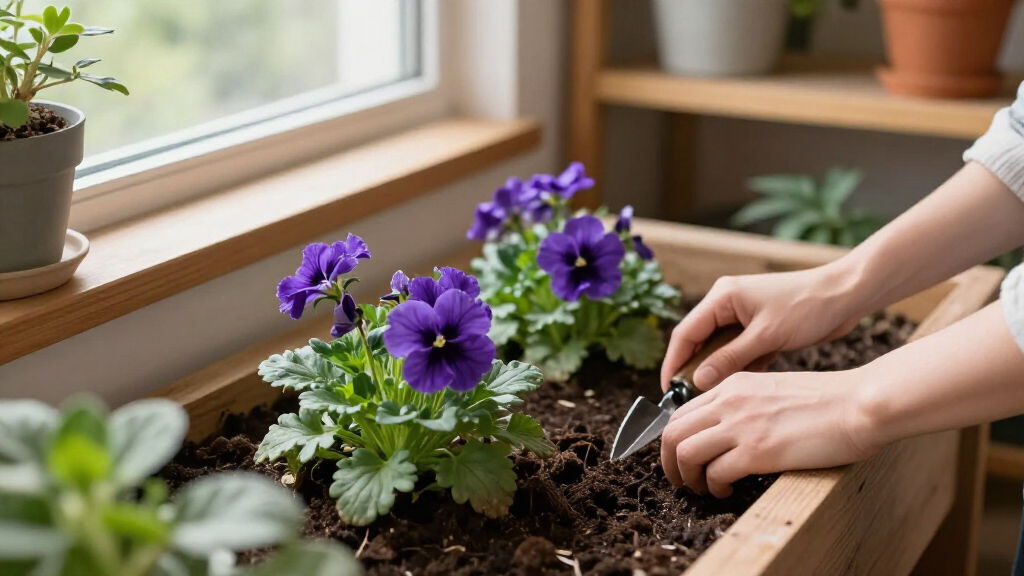
Choosing the best purple perennial flowers involves considering several key factors. It’s important to evaluate your local climate, soil conditions, and available sunlight to select varieties that will thrive. Maintenance levels vary widely; some plants require regular deadheading or pruning, while others are more self-sufficient. Budget also plays a role—seeds are more affordable upfront but take longer to grow, whereas live plants may cost more but offer instant color. Understanding bloom size and seasonality can help you plan a garden that stays colorful year-round. Lastly, consider whether fragrance, ground cover qualities, or height are priorities for your landscape design.Climate and Growing Conditions
Matching your local climate with the plant’s preferred growing zone is crucial. Some varieties like lavender thrive in dry, sunny spots, while others like asters prefer cooler, moist environments. Ignoring this can lead to poor growth or plant failure. Always check the USDA hardiness zone and soil preferences before purchasing. Choosing adaptable plants can save time and effort in the long run, especially if your garden experiences variable weather patterns.
Maintenance and Care
Some purple perennials demand regular pruning, deadheading, or fertilization to keep them vibrant, while others are nearly maintenance-free. For instance, coneflowers tend to be hardy with minimal fuss, whereas dahlias need digging and storage over winter. Consider your available time and gardening skill level. If you prefer low-effort plants, opt for those with natural disease resistance and drought tolerance to reduce ongoing care.
Cost and Value
Seeds are typically more budget-friendly but require patience and space for germination and growth. Live plants are more expensive initially but offer instant impact and guaranteed bloom success if healthy. Think about your long-term investment: if you want quick color, spending more on mature plants makes sense. For those on a tight budget or experimenting, seeds provide a flexible, cost-effective start, provided you’re willing to wait and nurture them.
Bloom Size and Seasonality
Bloom size influences the visual impact, with larger flowers like dahlias creating focal points. Seasonality matters if you want continuous color—some varieties bloom in late summer, others in early fall. Mixing different types can extend your garden’s visual interest. Consider overlapping bloom periods for sustained color, and select varieties suited to your preferred flowering season for best results.
Design and Garden Style
Decide whether your goal is a structured border, a wildflower meadow, or a fragrant herb garden. Ground covers like Aubrieta work well for filling gaps, while taller varieties like coneflowers and asters make good backdrop plants. Fragrant plants like lavender add sensory appeal, but require specific conditions for scent intensity. Matching plant height, form, and color intensity with your overall garden theme helps create a cohesive, visually pleasing landscape.
Frequently Asked Questions
Are purple perennial flowers suitable for container gardening?
Many purple perennials, such as lavender and certain coneflowers, adapt well to container gardening. Choosing plants with manageable growth habits and compact sizes ensures they won’t outgrow their containers quickly. Ensure your containers have good drainage, and select potting mixes suited for perennials. Regular watering and fertilizing will help these plants flourish in pots, making them versatile options for patios, balconies, or small garden spaces.
Which purple perennials are best for attracting pollinators?
Plants like purple coneflowers, asters, and lavender are excellent choices for attracting bees, butterflies, and other pollinators. Their vibrant colors and nectar-rich blooms provide essential food sources throughout their flowering periods. Incorporating these into your garden can boost local biodiversity while adding striking visual interest. Be mindful of bloom timing to ensure continuous pollinator support across seasons.
How do I ensure my purple perennial flowers survive winter?
Most hardy perennials like coneflowers and asters can withstand cold temperatures if properly prepared. Mulching around the base helps insulate roots, especially in colder zones. For less hardy varieties, such as dahlias, digging up tubers and storing them indoors until spring is necessary. Planting in well-drained soil also prevents root rot during winter freezes. Proper winter protection extends your garden’s bloom cycle year after year.
Are seed-grown purple perennials as reliable as buying established plants?
Seeds offer a cost-effective way to introduce purple perennials into your garden, but they can be less predictable in terms of growth rate and flower timing. Established plants, on the other hand, provide instant impact and more predictable results, especially for first-time gardeners. If patience is not an issue, starting from seed can be rewarding, but for quick color and guaranteed success, buying healthy mature plants is often preferable.
What should I consider when planting purple perennials in my garden?
Evaluate your garden’s sunlight, soil type, and moisture levels before planting. Match the plant’s specific needs with your garden conditions to avoid frustration. Consider the mature size of the plant to prevent overcrowding, and think about bloom times to maintain color throughout the season. Proper spacing, soil preparation, and choosing the right location are key to establishing healthy, long-lasting purple perennials.
Conclusion
The best overall pick for most gardeners is the Clovers Garden Purple Coneflower, thanks to its resilience and vibrant, long-lasting blooms. If you’re looking for a budget-friendly option, seed packs like Purple Dahlia Seeds or New England Aster Seeds provide excellent value, though they require patience. For those prioritizing fragrance and sensory appeal, Live Lavender is the ideal choice, especially for beginners willing to meet its sunlight needs. Gardeners seeking low-maintenance, naturalistic options might prefer ground covers like Aubrieta. Ultimately, selecting the right purple perennial depends on your climate, garden style, and maintenance preferences, but these picks cover a wide range of needs effectively.
As an affiliate, we earn on qualifying purchases.Fall Picks
fall essentials