
Imagine waking up each morning in a space where everything has its place, and clutter no longer weighs you down. That’s the promise of a 30-day declutter challenge, designed to help you create a calmer, more organized environment step by step. But how do you stay motivated and keep the momentum going? The key lies in a clear plan that breaks tasks into manageable goals—something you’ll want to explore as you start this journey.
Key Takeaways
- Set specific daily decluttering goals focused on targeted areas like closets or kitchens to ensure steady progress.
- Use organized storage solutions with labels and designated spots to maintain clutter-free spaces.
- Develop quick daily habits, such as a 5-minute tidy-up, to prevent clutter buildup over time.
- Celebrate small wins and stay flexible by reassessing strategies to tackle stubborn areas effectively.
- Regularly reflect on progress and adjust your approach to sustain a minimalist, clutter-free environment long-term.
Are you ready to transform your space and simplify your life? Beginning a 30-day declutter challenge can be a game-changer, but it requires more than just tossing out a few things here and there. To truly make a difference, you need effective organizing strategies and a commitment to developing clutter-free habits. These tools will help you stay consistent and guarantee that your space remains manageable long after the challenge ends.
Start by setting clear, achievable goals for each day. Break down your decluttering tasks into manageable chunks, focusing on specific areas like your closet, kitchen, or workspace. This approach prevents overwhelm and makes it easier to stay motivated. As you progress, pay attention to your organizing strategies—use bins, labels, and storage solutions that suit your space and habits. When everything has a designated place, you’ll find it easier to keep clutter at bay and maintain a streamlined environment.
Set daily goals, organize with bins and labels, and assign designated spots to keep clutter manageable.
Developing clutter-free habits is essential to sustain your progress. Every day, commit to a quick 5-minute tidy-up routine, which helps prevent clutter from piling up again. Make it a habit to put things back in their designated spots immediately after use. This simple practice reduces the chance of clutter accumulating and keeps your space consistently organized. Additionally, be mindful of your consumption—before bringing new items into your home, ask yourself if you truly need them. This mindful approach minimizes unnecessary clutter and keeps your possessions intentional and manageable.
As you work through each day of the challenge, stay flexible but disciplined. Celebrate small victories, like successfully organizing a drawer or clearing a countertop, to keep your motivation high. Remember, the goal is progress, not perfection. If you find certain areas stubborn or challenging, revisit your organizing strategies—maybe you need better storage solutions or a different layout that works better for your routine. Consistently practicing clutter-free habits will turn your decluttering efforts into sustainable behaviors that last well beyond the 30 days.
Incorporate regular reflection into your routine. Take a moment at the end of each day to assess what worked and what didn’t. Adjust your approach as needed, and stay committed to the long-term benefits of a clutter-free space. Over time, you’ll notice how much easier it becomes to keep your environment tidy and organized. With dedication and the right strategies, this 30-day challenge can kickstart a lifelong habit of maintaining a clean, serene, and functional space that truly supports your lifestyle. Embracing vertical storage solutions can maximize your space and improve organization, making your decluttering journey even more effective.

DECOMOMO Storage Bins, Cube Storage Bin with Labels, Fabric Storage Cubes for Shelves (10.5" x 11" / 6pcs, Beige)
Durable & Stable: Made with durable, dust-resistant, and tear-resistant non-woven fabric, our fabric storage bins offers long-lasting durability…
As an affiliate, we earn on qualifying purchases.
As an affiliate, we earn on qualifying purchases.
Conclusion
As you complete this 30-day journey, remember that decluttering isn’t just about possessions; it’s about reclaiming your space and peace of mind. While the chaos of clutter once seemed overwhelming, now the serenity of order stands in stark contrast. Embrace this transformation—each small victory building toward a minimalist lifestyle that’s both functional and freeing. Ultimately, the simple act of decluttering reveals that less truly becomes more, offering clarity amid the cluttered chaos.
![VITEVER [16 Pack] 4 oz Small Containers with Lids, Reusable Plastic Jars for Snack and Puree, Salad Dressing Container to Go, Deli Containers, Freezer Baby Food Containers, Dishwasher Safe, BPA Free](https://m.media-amazon.com/images/I/41fnLIEevxL._SL500_.jpg)
VITEVER [16 Pack] 4 oz Small Containers with Lids, Reusable Plastic Jars for Snack and Puree, Salad Dressing Container to Go, Deli Containers, Freezer Baby Food Containers, Dishwasher Safe, BPA Free
BPA-FREE; DISHWASHER SAFE; MICROWAVE SAFE; SEALABLE; STACKABLE; REUSABLE.
As an affiliate, we earn on qualifying purchases.
As an affiliate, we earn on qualifying purchases.
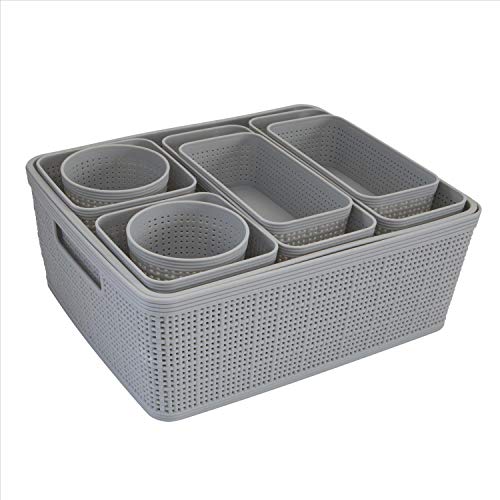
Simplify 10 Piece Organizing Set | Multiple Size Bins | Multipurpose | Office | Desk | Dorm | Bathroom | Storage Basket | Small Items | Accessories | Grey
Dimensions: There are multiple sizes of baskets to accommodate a variety of items. 2 Round Baskets: 4" x…
As an affiliate, we earn on qualifying purchases.
As an affiliate, we earn on qualifying purchases.

IRIS USA Plastic Stacking Desk Top 3-Drawer Storage Organizer, 4-Pack, for Makeup Vanity Nail Polish Bathroom Stationery Art Craft Supplies Kitchen Office Garage and Small Organization, Small, Black
MUTLIPURPOSE ORGANIZER: The IRIS USA drawer is perfect for your home office, small business, classrooms and more Hold…
As an affiliate, we earn on qualifying purchases.
As an affiliate, we earn on qualifying purchases.