As someone interested in future housing options, you might wonder how soon 3D-printed homes will become a common sight. These structures promise faster, more affordable, and eco-friendly building methods, but questions remain about their durability and scalability. With ongoing advances, it’s worth considering just how close this technology is to transforming the way we approach housing—yet, certain hurdles still stand in the way.
Key Takeaways
- 3D-printed homes are already being built rapidly using sustainable materials, reducing construction time and costs.
- The technology is moving toward mainstream adoption, driven by eco-friendly practices and affordable housing needs.
- Several pilot projects and limited developments demonstrate the viability of 3D-printed homes in real-world settings.
- Regulatory frameworks and industry standards are gradually evolving to support wider implementation.
- Continued advancements in materials and printing techniques are expected to accelerate mainstream integration soon.

3D-printed homes are revolutionizing the construction industry by offering faster, more affordable, and environmentally friendly building solutions. As you explore this innovative approach, you’ll see how it leverages sustainable materials to create durable, eco-conscious structures. Traditional construction often depends on concrete, steel, and other resource-intensive materials, which can be costly and environmentally taxing. In contrast, 3D printing utilizes recycled plastics, bioplastics, or specially formulated concrete mixes that reduce waste and lower carbon footprints. This shift toward sustainable materials not only benefits the environment but also aligns with growing consumer demand for greener living options.
One of the most attractive advantages of 3D-printed homes is construction speed. Conventional building methods can take months or even years, involving complex logistics, labor shortages, and weather delays. With 3D printing, you could see significant reductions in construction time—sometimes completing a home in just a few days. The technology works by layering material precisely where it’s needed, streamlining the entire process and eliminating many steps involved in traditional construction. This rapid assembly means you can have a home ready for occupancy much sooner, which is especially vital in emergency housing situations or areas facing housing shortages. Additionally, the ability to use sustainable materials enhances the environmental benefits of this innovative construction method.
The speed of construction also influences affordability. Faster builds mean fewer labor costs and less reliance on skilled workers, who are often in short supply. Reduced material waste and shortened timelines contribute to lower overall expenses, making 3D-printed homes a more accessible option for a broader population. For you, this could translate into reduced mortgage costs or more budget-friendly housing options, especially in regions where housing affordability is a concern. The ability to mass-produce homes using 3D printing could revolutionize affordable housing initiatives, helping to address homelessness and urban overcrowding.

Jixin Xyzhi Construction Kits Stem Metal 3D Puzzle Machine Vehicle Model Car Construction Set Toy Parent-Child Interaction Play Sets Gifts for Children Age 4-16 Years
6-in-1 Multi-Functional Design】:This construction vehicle building set includes 6 assembly options, allowing kids to create model cars and…
As an affiliate, we earn on qualifying purchases.
As an affiliate, we earn on qualifying purchases.
Conclusion
As 3D-printed homes edge closer to mainstream reality, they symbolize hope—a blueprint for a sustainable future built on innovation. Just as these structures promise to reshape housing, they stand as a demonstration to human ingenuity and our ability to craft a better world from recycled and eco-friendly materials. With each print, we’re not just constructing walls, but laying the foundation for a future where affordability and sustainability become the new standard.

The Complete Guide to Alternative Home Building Materials & Methods: Including Sod, Compressed Earth, Plaster, Straw, Beer Cans, Bottles, Cordwood, and Many Other Low Cost Materials
As an affiliate, we earn on qualifying purchases.
As an affiliate, we earn on qualifying purchases.
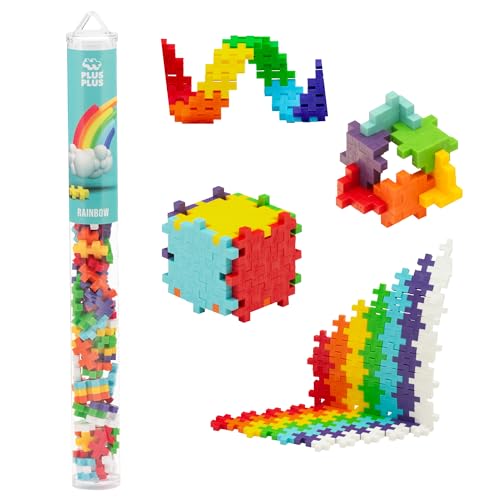
PLUS PLUS 70 Piece Interlocking Building Blocks for Kids, Open Ended Connecting Toys, Stem Bin Classroom Mini Manipulatives – Rainbow Mix Play Tube
Simple Design Fuels Creativity: One shape, endless possibility! Every brick can easily connect to the next. Create colorful…
As an affiliate, we earn on qualifying purchases.
As an affiliate, we earn on qualifying purchases.

Liberty Imports The White House 3D Puzzle – Architectural Puzzles for Adults and Kids – Building Model DIY Kit, 35 Pieces
Build an awesome 3D replica of the White House with these 35 pieces. Iconic building kits for adults…
As an affiliate, we earn on qualifying purchases.
As an affiliate, we earn on qualifying purchases.